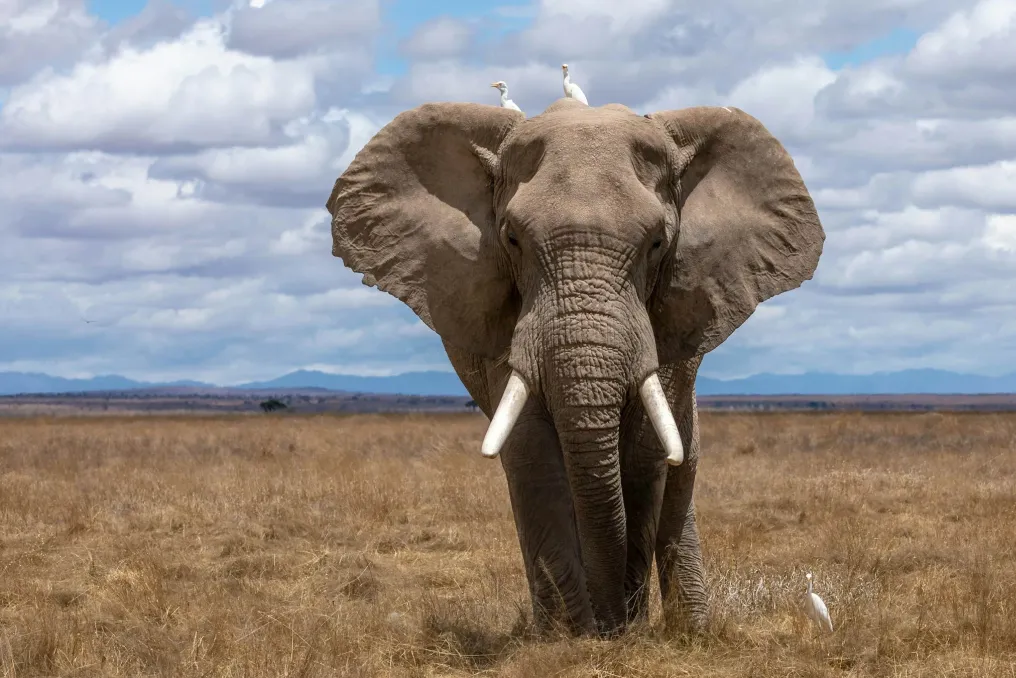
The population of wild elephants living in the forests of Africa is steadily declining. According to estimates from the Wildlife Conservation Fund, there are about 135 thousand African forest elephants remaining.
The greatest damage to these animals has been caused in the forests of Central and West Africa due to illegal hunting. To save these animals in the protected areas of Djanga-Sanga in the Central African Republic, DNA and data analysis methods are being used.
Scientists are trying to identify and count the elephants by collecting DNA from their excrement. DNA analysis obtained from elephant feces will help determine how many different individuals are in the forest and in which areas they are moving. Specialists will test samples from different locations.
Comparing this information with other data will provide a more accurate picture of the elephant population and also determine the migration routes. This information will be very useful for forest monitoring groups.
At the beginning of this century, about two-thirds of the forest elephants in the forests of Central and West Africa died due to large-scale illegal hunting. The main goal of the hunt was to obtain ivory. Although ivory hunting has decreased, the threat to elephants remains, and their forests are shrinking at an alarming rate.
Forests are being cleared for palm oil, cocoa, and rubber plantations, as well as due to the growth of human settlements and other development-related activities. The reduction of forest cover decreases the space for elephants to live and move.
The fragmentation of forest areas affects the movement of elephants between different sections. Under such conditions, it is critically important to know where the elephants are and what their numbers are. DNA, which contains the genetic material of their bodies in elephant excrement, is used by scientists to identify individual animals.
If fecal samples collected in different places show the presence of different DNA, it will allow determining the number of unique elephants in that area. Regular sample collection will allow tracking where the elephants are going and whether there are changes in their numbers. This approach may reduce the need for regular counts of all elephants in the forest.
Efforts to protect elephants involve not only DNA but also preventing illegal hunting. Security service work is being intensified in the Central African Republic and neighboring regions. A tripartite eco-group has been created, which can now pursue poachers even across borders. In Cameroon, local residents are also being assisted in taking legal action against wildlife criminals.
Today, there are about 135 thousand forest elephants in nature. The primary task for their salvation is to determine the number of elephants in the forest, their movement routes, and areas of greatest danger.