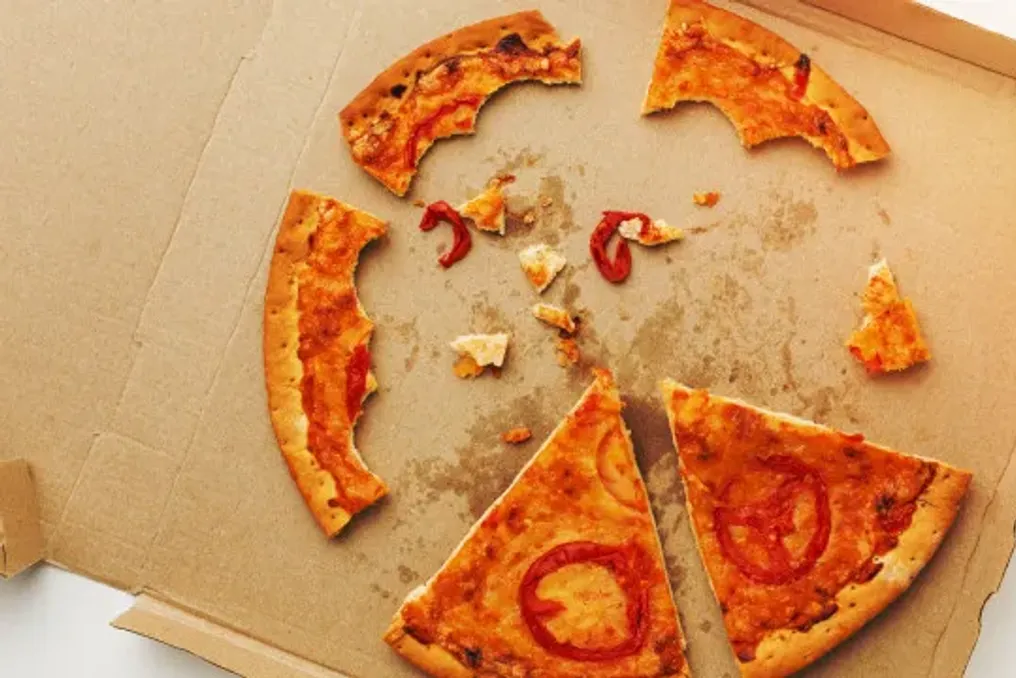
Starting today, all packaging intended for contact with food products must comply with established limits for perfluoroalkyl substances (PFAS), also known as 'forever chemicals'. This requirement is linked to the high persistence of these compounds in the environment and their ability to accumulate in organisms.
Currently, these substances are widely used in items such as pizza boxes, microwave popcorn bags, fast-food packaging, or bread packaging, due to their ability to repel grease and water.
The European Commission stated in its announcement that restricting the use of PFAS in food packaging will help protect human health while reducing the emission of these harmful substances into nature.
To ensure compliance with the new standards, additional requirements have been introduced for information provided to food producers and importers. These requirements guarantee the traceability of the product back to its original source in case of non-compliance with any standards.
This information does not necessarily have to be placed directly on the packaging; it can be included in the accompanying invoice or transport document, which essentially will not change the appearance of the packaging for the end consumer.
Given the significant changes these innovations bring to companies, the European Commission recommends that member states prioritize providing guidance and warnings during the initial months of implementation, avoiding the removal of products from the market due to non-compliance with the new rules.
These rules are only the first to come into force under the new European Regulation on Packaging and Packaging Waste. This regulation will be gradually implemented across the European Union (EU) by 2030.
Among the rules that will apply by 2030 are, for example, 'new limits for empty space in packaging' or the requirement that all packaging must be made recyclable.
The goal of this regulation is to reduce the EU's environmental footprint, during which it is estimated that each European citizen throws away about 180 kilograms of packaging annually, and 40% of plastic used in Europe goes to this sector.