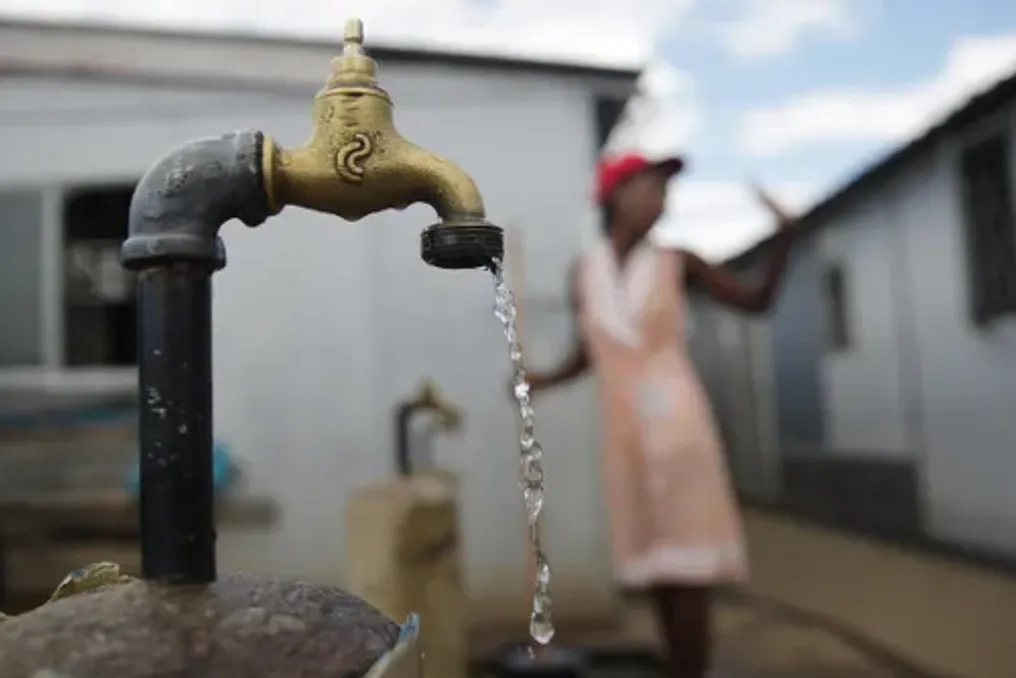
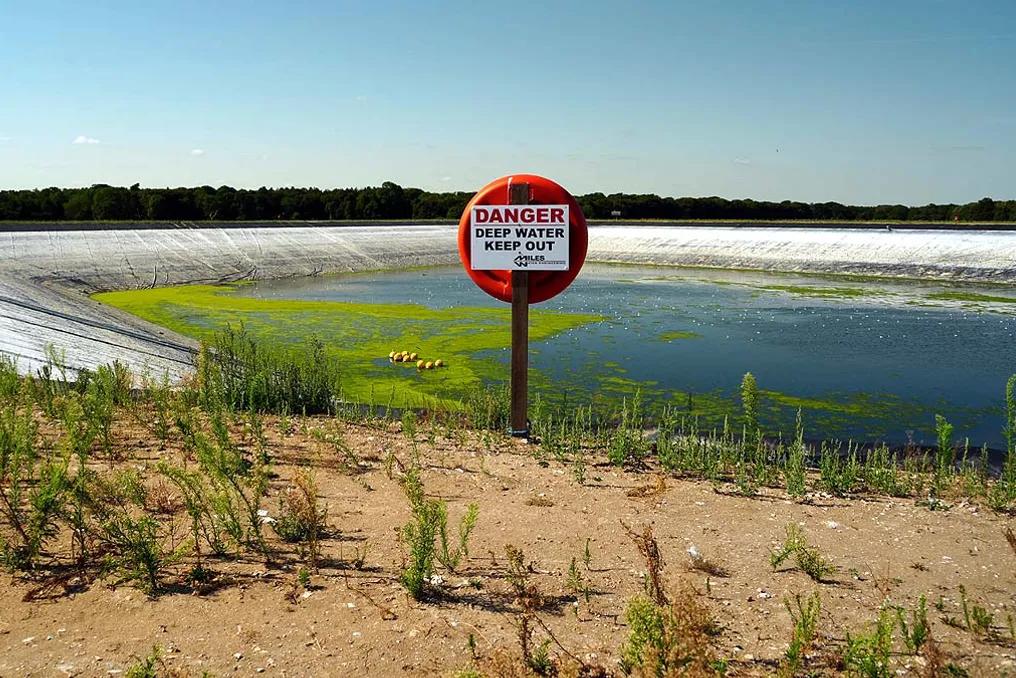
The drought problem in England has intensified, caused by prolonged lack of precipitation and intense heat. According to the government, about 71.3% of the country's territory is currently suffering from drought; previously, at the end of July, this figure was approximately 50%, indicating an accelerated worsening of the situation.
Approximately 45 million people live in areas affected by the drought. The main causes are reduced rainfall and rising temperatures above the norm. In July 2026, England and Wales experienced the driest July in about 190 years, with only 1% of normal rainfall falling in Southeast England.
This year, Great Britain is also experiencing its fifth heatwave. This leads to a constant decline in water levels in rivers, ponds, and groundwater. According to official data, about 27 million people live in areas where water usage restrictions have been imposed. The water deficit is exacerbated by decreased precipitation, while the demand for water is increasing due to the heat, especially for agricultural irrigation.
In response, the government is working to simplify the process of creating small reservoirs for farmers to store irrigation water. The consequences of low rainfall are felt not only by the population but also by nature: the level of rivers, water bodies, and groundwater is steadily falling. If the situation persists, pressure on water supply may increase, and the risk of forest fires will rise due to heat and drought. Furthermore, it negatively affects birds, aquatic life, and fish.
The intense heat is also affecting human health. According to a report, around 2,877 people died from heat-related problems by 2026, with the elderly and those in poor health being the most vulnerable. El Niño is capable of changing global weather conditions and precipitation patterns.
However, the drought in England is caused not only by El Niño but by a combination of factors: low rainfall, continuous heat, and water scarcity. Currently, the government is focused on water conservation measures, supporting farmers, and increasing water reserves. The continuation of hot and dry weather could create additional strain on agriculture, ecology, and water supply in the future.