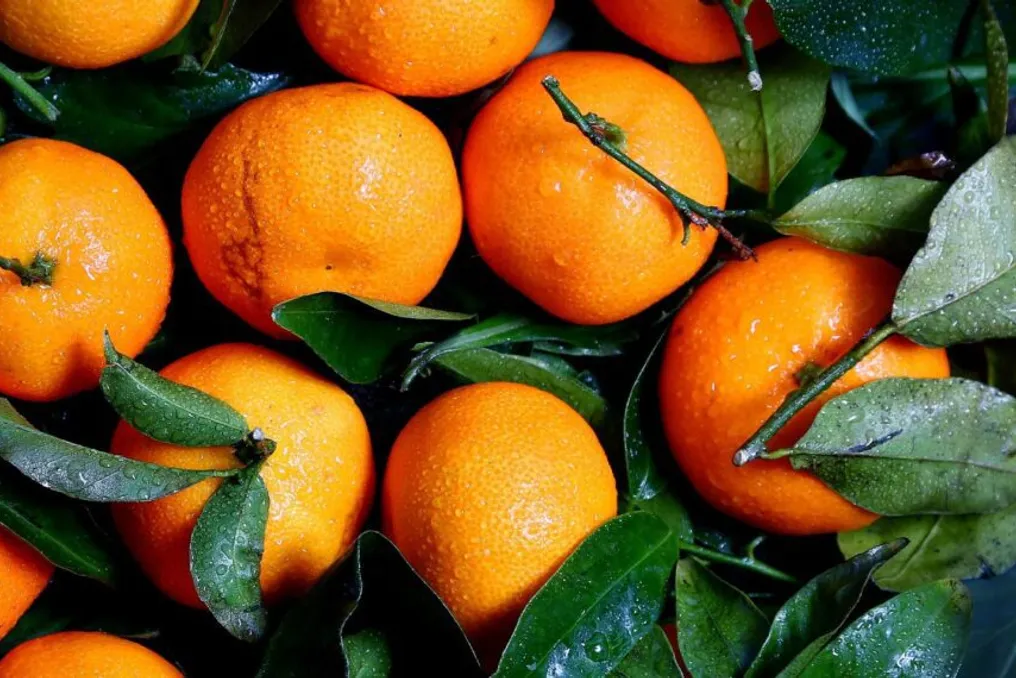
The Citrus Growers Association of South Africa (CGA) has adjusted its overall export forecasts for 2026 downwards following recent focus group meetings on various varieties.
The Citrus Growers Association of South Africa (CGA) has adjusted its overall export forecasts for 2026 downwards following recent focus group meetings on various varieties.
According to the CGA, the initial estimate before the season began was 209.4 million 15 kg cardboard boxes. However, the latest estimate has been reduced to 205.3 million such cardboard boxes.
The association reports that the forecast for mandarins has decreased by 2.7 million cardboard boxes compared to the initial assessment. Harvesting of Nova and Leanri varieties is complete. Regions continuing packaging are focused on late mandarin varieties and various packaging options such as Orri, Nadorcott, and Tango.
The forecast for Navel oranges was also reduced by 4.6 million cardboard boxes from the initial estimate made in March 2026. The Eastern Cape is seeing larger Navel fruit sizes due to increased rainfall. About 75% of the Navel harvest has been packed, with less than 6 million late Navel cardboard boxes remaining for processing.
For now, adjustments to the Valencia orange forecasts are minimal. The CGA noted an overall trend towards high yields per hectare in northern areas, but this positive effect is being offset by lower yields in the Eastern and Western Cape.
Orange juice factories are processing significant volumes of fruit, and the Valencia packing season will peak over the next two to three weeks. There is speculation that the season may last longer than usual.
The grapefruit forecast was reduced by 1.7 million cardboard boxes relative to the initial estimate. Grapefruit packing is complete in the northern regions. The Oranje Rivier and KZN areas are nearing completion. The volume of Class 1 and 2 harvest is currently lower than in previous years, while the volume of fruit destined for processing factories is higher.
The CGA emphasized that due to adverse weather conditions nationwide, the season has been extremely challenging for producers in several aspects. Flooding in the Western and Eastern Cape has impacted the season, with the Patensie region facing significant difficulties.
In addition, factors related to resource costs, market conditions, and pricing are also putting pressure on farm margins. Furthermore, there have been consequences from outside factors. Shipments to the Middle East have remained difficult due to the ongoing conflict in the region, which traditionally accounts for about 20% of South Africa's exports.
Meanwhile, the war has created serious pressure on raw material and logistics costs, such as diesel fuel and, most importantly, freight rates. Transit times have also suffered. The conflict's repercussions extend far beyond the region, affecting demand in other markets. An increasing concern for shipping routes and producer options is the potential spread of the conflict to the Red Sea and any disruptions at the Port of Jeddah.
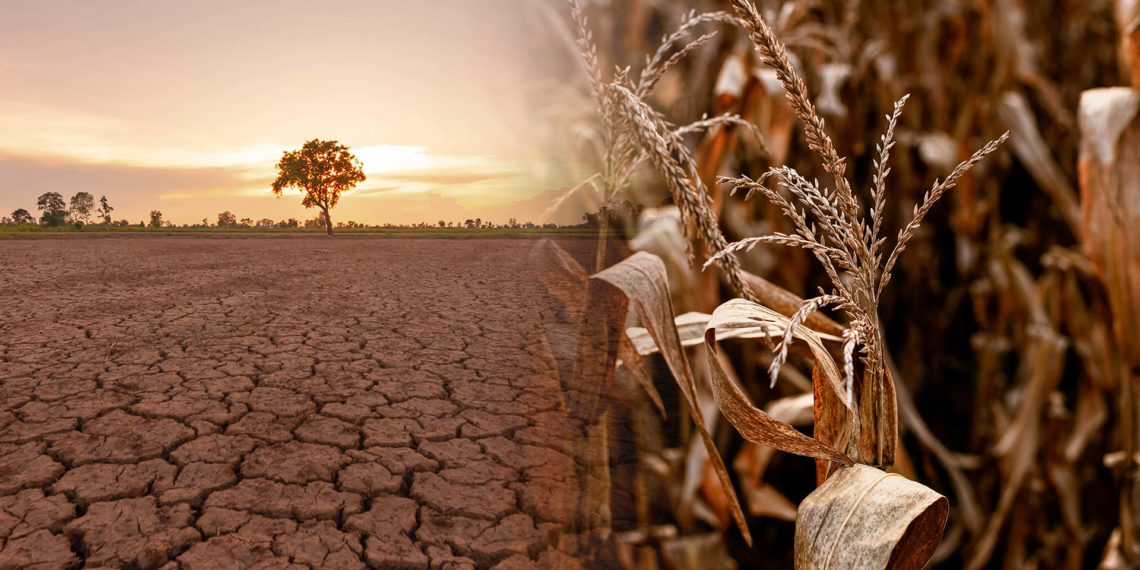
Weather experts are sounding the alarm about the approaching strong El Niño, which could be the most powerful climate shock in the last 140 years. This weather phenomenon, caused by deep ocean waters reportedly exceeding average temperatures by 7°C, is expected to intensify the effects of climate change and increase the risk of regional droughts until 2027.
However, the situation on the ground in South Africa looks different. When severe drought occurs, harvests do not always perish completely; they often simply decrease. This leads to the production of small, stunted grains, which reduces food security while supermarket prices rise.
In a desiccated environment that makes both plants and people vulnerable to diseases, the question arises regarding public health protection as primary food systems face increasing pressure.
Professor David Katerere, head of the Department of Pharmaceutical and Biotechnological Progress at Tshwane University of Technology (TUT), states that the crisis facing crops is similar to that causing malnutrition in humans: 'It's almost like you have a malnourished child, so they will likely have many deficiencies and be vulnerable to diseases.'
He notes that such vulnerability leads to widespread crop failures and slowed growth. Nevertheless, Katerere adds that drought does not fundamentally alter the chemical DNA of the crop or its main metabolites, such as starch, protein, and fats. Instead, the impact is predominantly physical: the grain simply cannot grow, and harvests shrink to miniature versions of what they should be, sharply reducing the total amount of food available to communities.
When agricultural productivity falls, the financial consequences quickly spread from the farmstead to the consumer's plate, although not always immediately. Thabile Nkundzana, a senior agricultural economist at the National Agricultural Marketing Council (NAMC), provides insight into South Africa's food markets in real time.
Currently, according to him, consumers are experiencing a reprieve. He explains that food inflation has dropped from 2.9% in April to 1.9% in May due to cheaper fruits, lower beef prices following improved rinderpest control, and reduced prices for wheat and maize. This easing reflects very favorable weather in the previous growing season.
Nkundzana emphasizes that short-term food security remains relatively stable, as the country is expected to harvest its largest ever summer crop of cereals and oilseeds in the 2025–2026 season. Due to increased planting and favorable rainfall, the summer harvest of cereals and oilseeds is projected to reach 21 million tons, approximately 3% more than the previous season, making immediate food price shocks unlikely.
However, Nkundzana warns that this reserve is temporary, and conditions could change in the coming months.
Meanwhile, NAMC forecasts indicate that a combination of domestic climatic factors and global economic conditions could disrupt this period of stability. Nkundzana reports that forecasts show a probability of El Niño conditions developing of over 61%, increasing the likelihood of below-average rainfall affecting cereals, oilseeds, and the broader agricultural sector.
He explains that drought cycles tend to shorten the planting season for summer cereals and oilseeds in South Africa, which begins in October. Furthermore, South Africa remains vulnerable to global commodity markets. In May, the FAO global grain price index rose by 2.6%, and wheat prices rose for the fourth consecutive month due to expected yield reductions from major exporters, including the United States. Higher import demand, limited supply in Brazil, and rising energy costs also pushed up international prices for maize and rice.
Nkundzana notes that these trends align with previous research: an IMF analysis showed that major El Niño events historically increased global real commodity inflation by 3.5–4 percentage points. Models also suggest that if a strong El Niño affects several major food regions simultaneously, the number of people facing acute food insecurity could rise to 363 million.
Since South Africa is a small player with limited influence on global markets, commodities like maize and other summer crops remain susceptible to international price shocks. If the predicted El Niño materializes, it will become even more apparent in the coming months. He concludes that while the 21 million ton harvest this season serves as a buffer, its protection will not last forever. Various factors affecting food prices will become evident much later, possibly in early 2027, when global food supply and demand, including the impact of the Middle East conflict, will also play a role.
Katerere believes that building solutions starts with revising traditional farming methods. Instead of relying solely on water-intensive commercial crops, he argues that households should diversify home gardens using local plants naturally adapted to harsh conditions. 'The local approach would involve planting diverse home gardens, including indigenous leafy vegetables like imifino. They do not require much water and are considered weeds, so they grow easily.'
Hardy green vegetables such as amaranth and blackjack provide nutritious leaves and seeds, and local berries can supplement household diets through the collection of wild fruits. Katerere also advocates replacing water-intensive staple crops like maize with traditional small grains, which is another important adaptation strategy. 'When you look at small grains, we are talking about millet and sorghum. They require much less water and for a shorter period than maize. This is also a way to cope with climate variability.'