As part of efforts to stimulate freight transport in Indian Railways, the Parliamentary Standing Committee has demanded that the Ministry of Railways develop a zonal strategy for regions with low mineral extraction and low industrial activity. The committee's ninth report was presented to parliament on August 10. It noted that steps for such areas had previously been requested, but the committee now seeks a clearer action plan.
According to the report, the average daily number of freight trains in Indian Railways was 4968 in 2021-22, increasing to 6789 in 2024-25. Nevertheless, the committee believes that additional strategic measures are necessary to increase freight capacity and expand freight operations in low-demand regions.
In its sixth report, the committee issued 12 observations and recommendations regarding increasing revenue from Indian Railways' freight transport and developing Dedicated Freight Corridors (DFC). The Ministry of Railways provided information on measures taken based on these recommendations, which formed the basis for the committee's subsequent comments in the ninth report.
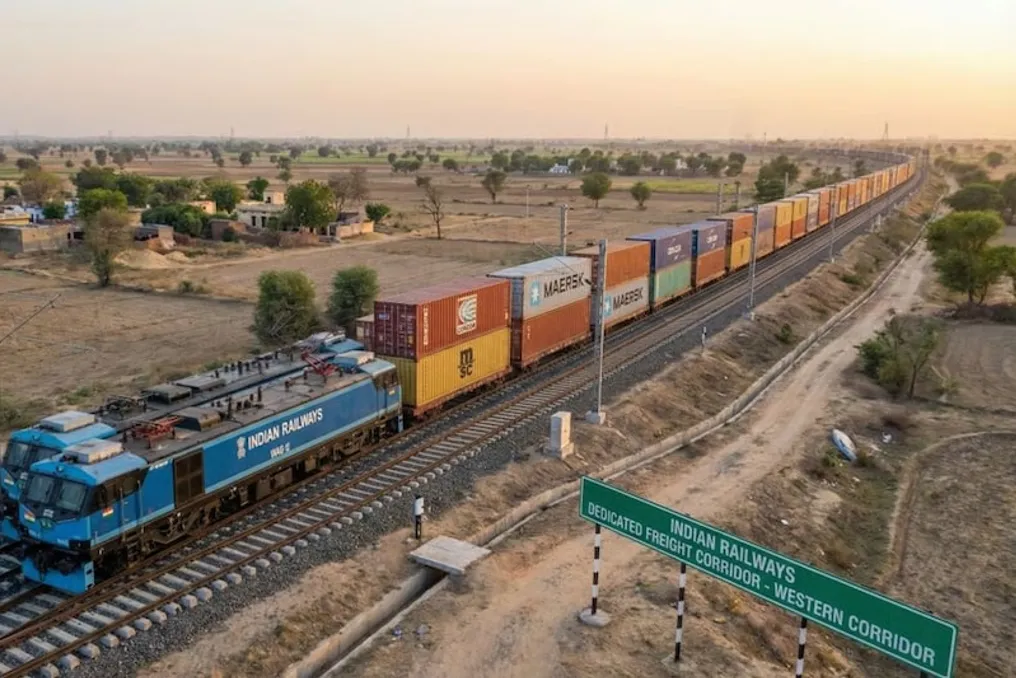
The parliamentary committee highly appreciated initiatives such as multi-tracking, operation of dedicated freight corridors, and modernization of sorting stations by the railways. According to the report, these initiatives aim to increase the throughput capacity of the railway network and ensure more orderly freight movement.
The Ministry stated that data is being analyzed based on information received from zonal, divisional railways, and business development units. This data is used to make changes to policy, rationalize freight tariffs, and develop incentive systems where necessary. However, the committee recommended institutionalizing an annual review of freight tariffs, requesting an analysis of commodity demand, market competition, logistics costs, and railway operating expenses.
The committee also mentioned the railways' policy on providing wagons and rakes for coal transportation. Furthermore, the initiative to stimulate private investment through a private wagon investment scheme was noted. The report also requested clarification from the railways on how the plan to develop India's coal transportation into an integrated multimodal network will be implemented under the National Coal Logistics Plan and Policy. Information was also requested on the current status of the Public-Private Partnership (PPP) policy introduced in 2012 and any amendments being made to it.
The Ministry of Railways informed the committee that the infrastructure of existing feeder routes is being strengthened, and operational improvements are being made to facilitate the movement of goods between industrial centers and the DFC network. This response came amid questions about the average speed of freight trains and network capacity. The committee urged the railways to continuously focus on improving the efficiency of the freight network and reducing train delays.
The committee also emphasized the need for a prompt resolution to the shortage of locomotive crews to increase the freight network's capacity. In its view, having sufficient personnel will reduce train delays, increase capacity, and ensure smoother freight train movement across the DFC network. The Ministry reported that vacancies for 28,769 Assistant Loco Pilots (ALP) and 6,560 Freight Train Managers were announced in 2024 and 2025. The Ministry also noted that a large number of candidates were selected compared to the 18,799 ALP vacancies announced in 2024. The government asserts that staff recruitment will significantly help resolve the personnel shortage.