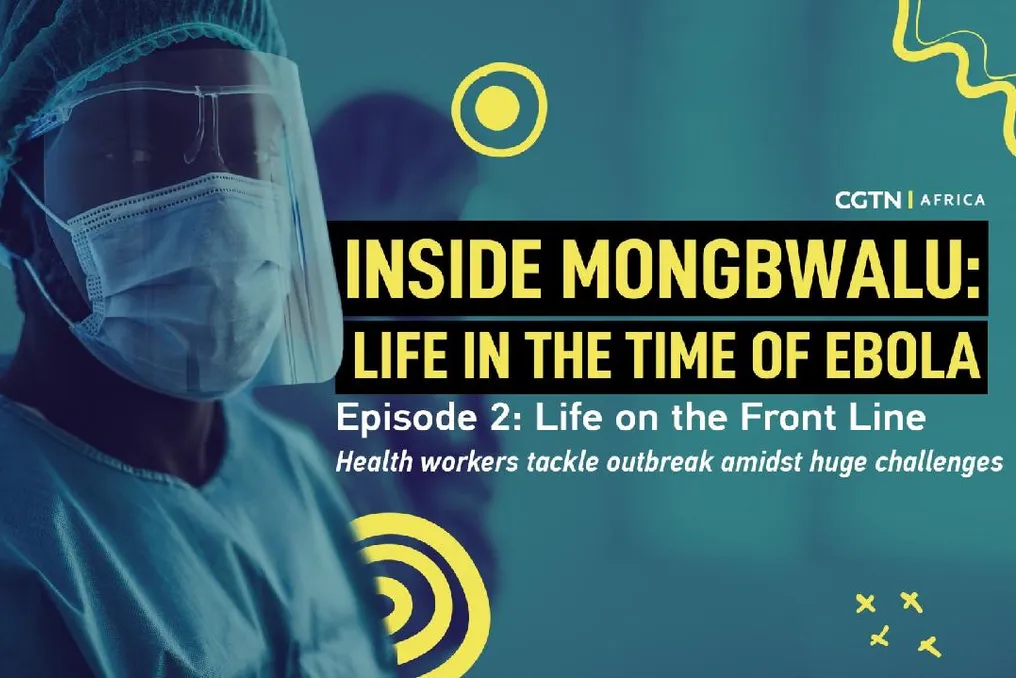
A series of materials examines the impact of the Ebola virus outbreak on communities in eastern Democratic Republic of Congo. In this edition, CGTN Africa presents the situation in Mongbwalu, where local residents and medical workers are battling the spread of the disease and working to contain it.
The Democratic Republic of Congo (DRC) is expanding its Ebola response measures amid an increase in suspected cases and the need to localize the virus in populated areas.
At Mongbwalu Hospital in the Ituri province, medical teams are treating patients while simultaneously monitoring contacts, conducting epidemiological surveillance, and identifying potentially new cases of infection.
These additional duties place significant pressure on frontline staff, who are often forced to perform tasks beyond their usual responsibilities. The head nurse at Mongbwalu Hospital, Heritier Kumburi Ngabu, noted: 'When a patient is brought to me without an accompanying person, I am forced to play two roles: providing care and monitoring the patient.' He added that he has to change patients' clothes, monitor their behavior in bed, and care for them, acknowledging that it is difficult, but it is their mission.
The government and international partners are working to expand the Ebola treatment center at the hospital to ensure faster isolation and treatment of suspected cases. The center currently has 113 beds, and a second facility is under construction.
Medical doctor Richard Lopayi reported that everyone who has been in contact with patients is being closely monitored. As soon as a contact shows symptoms, they are classified as a suspected case and transferred to the treatment center.
However, medical workers emphasize that simply increasing treatment capacity is not enough to stop the virus transmission. It is critically important for patients to seek help promptly, and for communities to actively participate in epidemiological surveillance efforts. Lopayi warned that if an infected person decides to stay home and refuses to go to the treatment center, they could die in the community and infect dozens of people, significantly complicating the interruption of the chain of transmission.
Furthermore, medical personnel must protect themselves from infection while caring for the sick and conducting surveillance. According to health authorities, the Bundibugyo strain is spreading faster than any of the previous sixteen Ebola outbreaks in the DRC. Although frontline workers remain key figures in this fight, they insist on the need for continuous support from the government and humanitarian organizations to contain the outbreak.