The proverb 'An elephant has teeth for show, and others for eating' is often heard in speech. It implies that a person displays one thing but actually possesses another. However, the question arises whether this metaphor applies to elephants and if their visible and edible teeth are different. Science asserts that there is some truth in this proverb, but its meaning differs from the commonly understood one.
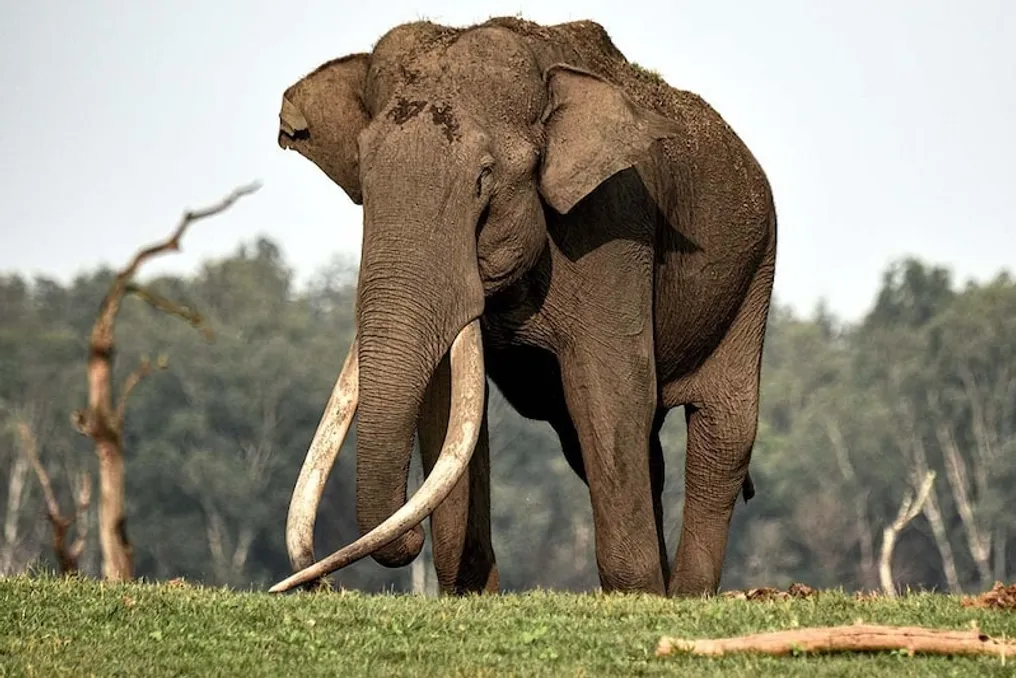
According to data from the American Museum of Natural History and the San Diego Wildlife Alliance, elephants have two types of teeth in their mouths: long external tusks, called tusks, and large molars located inside the mouth. These two types of teeth have completely different functions.
The San Diego Wildlife Alliance indicates that an elephant's tusks are front teeth that grow throughout the animal's life. They are not used for chewing food. Elephants use tusks to pull bark from trees, search for water or minerals by digging in the ground, move heavy objects, and, if necessary, for self-defense.
The American Museum of Natural History reports that an elephant uses its trunk to pick up food and place it in its mouth. Then, the large and strong molars inside the mouth grind and chew grass, leaves, fruits, and tree bark. Thus, the entire chewing function lies with the molars, not the tusks.
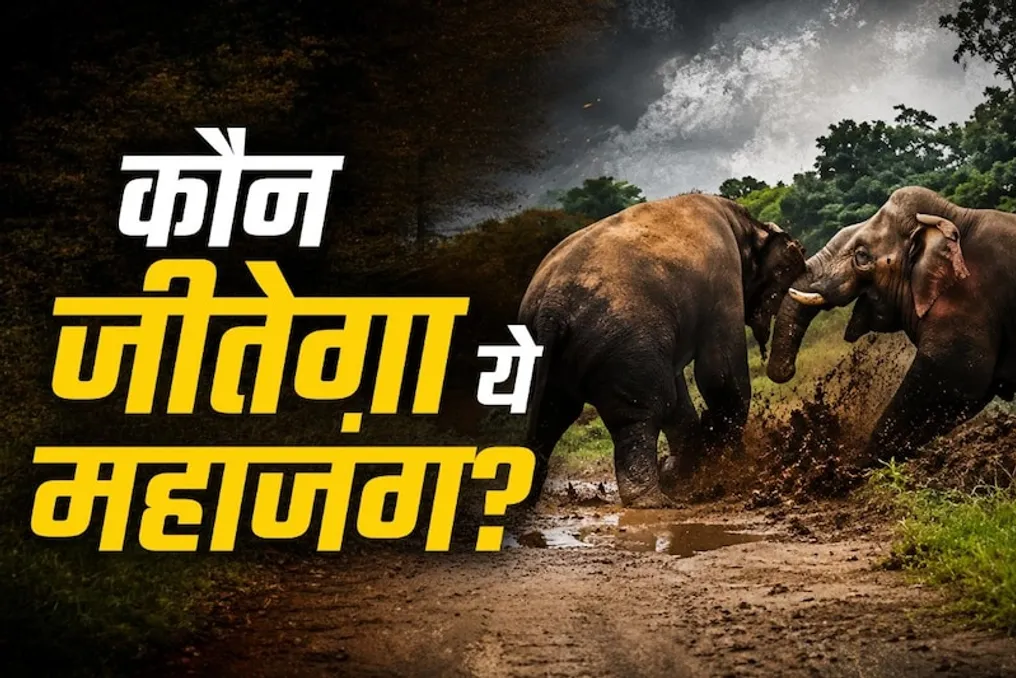
The notion that an elephant with large tusks is always stronger is not entirely accurate. According to a peer-reviewed study conducted among Indian elephants by renowned elephant expert Dr. Raman Sukumar and his colleagues, in fights between males, not only tusks but also body size, age, and hormonal state, known as Musth, play a decisive role. Sometimes even smaller or tuskless males can win a fight.
Studies published by the National Science Foundation of the USA (NSF) and in a scientific journal show that due to ivory hunting in Africa over many years, the number of female elephants without tusks has increased. Scientists explain this as an example of natural selection, where genes of elephants that avoided hunting are passed on to the next generation.
If we consider only the teeth, the external and internal teeth of an elephant intended for chewing are indeed different. However, science does not claim that the external teeth are solely for appearance. Tusks are a vital tool for the elephant, helping it obtain food, interact with its environment, and defend itself. Therefore, although this proverb is popular in language, scientifically its truth is somewhat different.