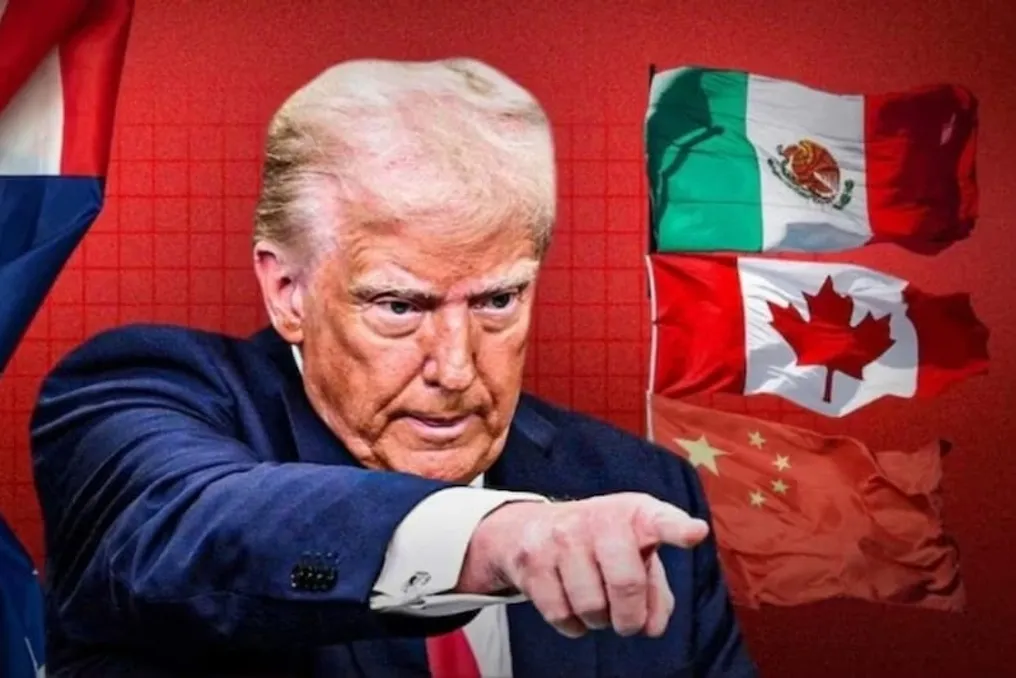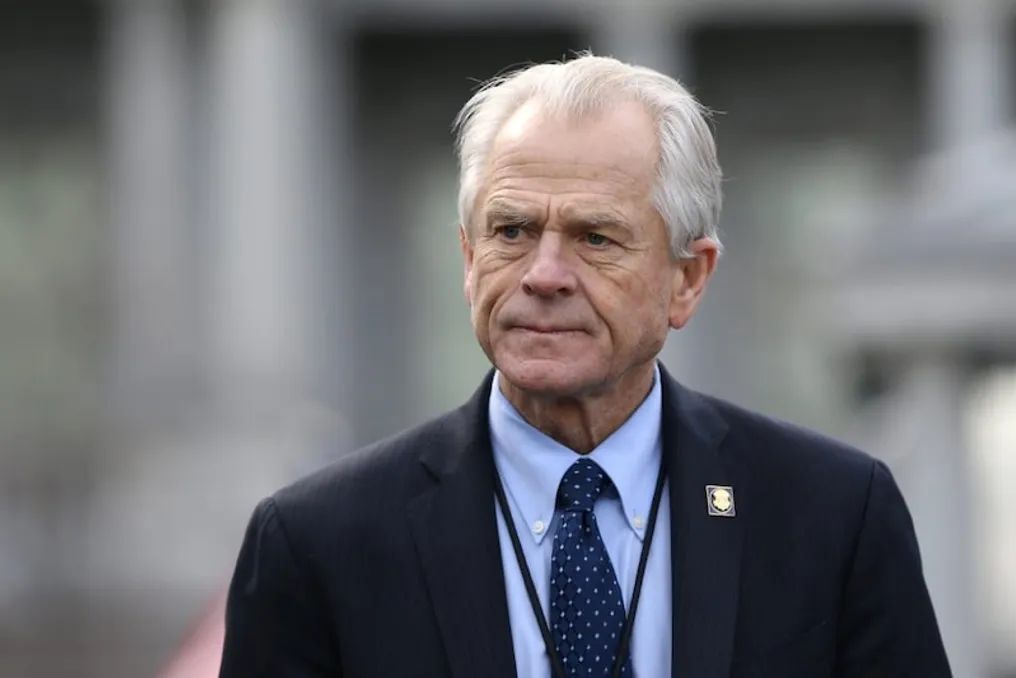
As the US prepares to impose 100% tariffs on five countries purchasing crude oil from Russia, including India, Donald Trump's presidential advisor Peter Navarro commented. He emphasized that there are very good relations between Trump and Prime Minister Narendra Modi.
Navarro referenced his older article published in the Financial Times 6-8 months prior. He noted that before the war in Ukraine, India was not involved in oil trade with Russia, but subsequently began selling Russian petroleum products, which contributed to supporting the military machine.
The advisor stated that this issue has already been resolved, although after the article's publication, he faced strong opposition and trolling on social media, advising against such actions.
Peter Navarro added that problems in America are solved differently, and that the working relationship between the President and Prime Minister Modi is so good that they can settle this matter independently, and interference by him or any other group is unacceptable.
In fact, the US Senate passed the relevant law on August 7. This legislative act grants the American president the right to impose tariffs of up to 100% on the five largest buyers of crude oil or natural gas from Russia, which include India and China. The justification for the law is that such trade helps strengthen Moscow's economy and finance its military operations in Ukraine.
The Senate approved the 'Lindsey O. Graham Russia and Iran Sanctions Act' by an overwhelming majority (86 to 11). This law, named after the late Republican Senator Lindsey Graham, one of its main developers, aims to increase economic pressure on Russia and Iran.
The provisions of this bill are not limited only to energy-importing countries. They also provide for new restrictions on Russian President Vladimir Putin, high-ranking political and military officials, financial institutions, and energy projects. Furthermore, US bans on old and re-registered tankers used to obtain energy revenues bypassing global restrictions have been expanded. The main goal of these measures is to stop the financial sources of the Russian economy and its military campaigns.
The bill offers energy-consuming countries a choice: either purchase discounted Russian energy or maintain access to the American market. India and China are among the largest buyers of Russian crude oil. After the conflict in 2022, India increased its purchases of Russian oil at reduced prices to meet its energy needs amid global market instability. This helped Indian refineries reduce raw material costs and ensure uninterrupted supplies during disruptions in the Strait of Hormuz.