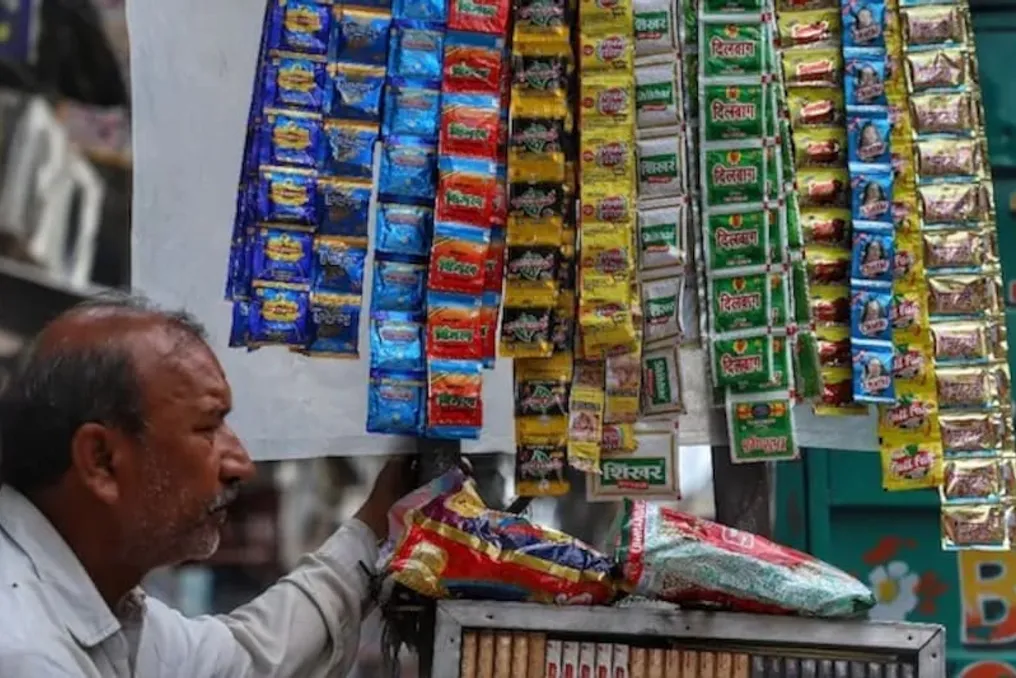
FSSAI has made significant changes to the regulations concerning paan masala packaging, under which it can no longer be sold in plastic pouches. According to the new guidelines, companies are mandated to use plastic-free alternatives such as paper, tin, or glass.
According to the government notification, this change will affect all sizes of pouches available in the market. Companies now only have natural options remaining, including paper, paperboard, or cellulose without any plastic mixture. Additionally, paan masala can also be sold in tin containers and glass vials. Under the new rules, customers will now receive this product in completely eco-friendly packaging, replacing the old plastic pouches.
The rules explicitly state that the use of polythene, polyester, PVC, or any type of synthetic plastic in packaging is prohibited. A complete ban has also been placed on pouches that have a plastic or shiny aluminum foil layer beneath the outer paper; meaning there should be no hidden plastic or metal layer inside the paper.
FSSAI has included paan masala in the special list of packaging regulations for the first time, clearly defining suitable and unsuitable materials for packing. This amendment was made under the Food Safety and Standards Amendment Rules, 2026. The main reason for this decision is the serious threat posed by small plastic packets thrown on the streets to the environment, as they clog drains and do not decompose for years. It is expected that using paper, tin, or glass instead of plastic will significantly reduce waste. Furthermore, it will control the risk of product quality deterioration due to prolonged contact with plastic.
It is important to note that this decision does not mean a ban on paan masala; it is only related to packaging. Companies must only stop the old method and prepare packets according to the new rules. Strict action will be taken against companies that do not comply with the rules.
This decision was not taken suddenly. FSSAI had released a draft in April and invited suggestions from the general public and traders for 60 days. After taking into account the opinions of all stakeholders, the final rules were prepared, which came into effect across the country as soon as they were published in the government gazette on August 10.