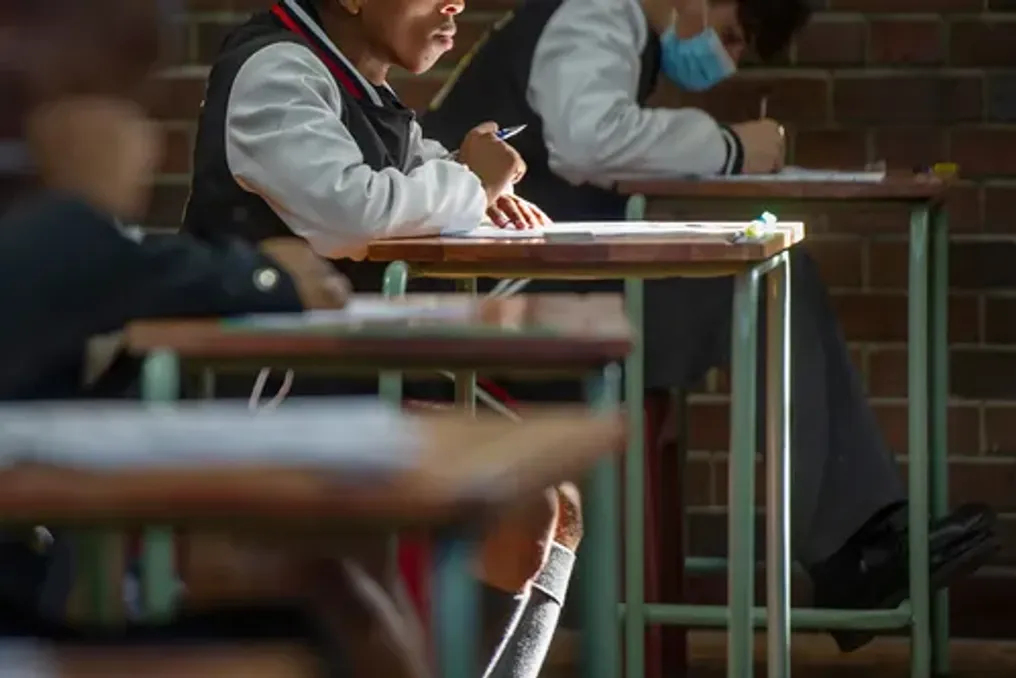
Trade unions warn of increased workload in schools due to the existence of over 27,000 teaching vacancies in the South African public education system, emphasizing the urgent need for effective recruitment and support for educators.
According to data provided by the Minister of Basic Education, Siphiwe Gwarube, in a written response to parliament, there were 27,092 unfilled teaching positions in the South African public education system as of June 30, 2026. Trade unions note that these vacant posts create additional pressure on students, teachers, and the educational institutions themselves.
The highest number of vacancies was recorded in the Eastern Cape province with 5,730 positions, followed by KwaZulu-Natal (4,700) and Gauteng (3,994). The Western Cape registered 3,562 vacancies, Limpopo reported 3,097, North West Cape had 2,346, Mpumalanga recorded 1,866, North Cape listed 1,521, and the Free State had 276. Of the total vacancies as of June 30, 2026, 2,654 were considered to be in a 'frozen' status.
The Department clarified that the status does not necessarily mean the positions were intentionally frozen due to budget constraints. According to the official response, the national rate of teacher vacancies stood at 7%.
These figures come against a backdrop of a high student-to-teacher ratio. In the latest Basic Education Department report, 'School Realities 2025,' published in February 2026, the national ratio reached 34 students per public teacher in ordinary public schools. The highest ratios were recorded in Limpopo and the Western Cape, both at 35.7:1, while Mpumalanga showed 35.6:1. The Eastern Cape has a ratio of 34.2:1, KwaZulu-Natal 33.4:1, North West Cape 33.0:1, Free State 32.9:1, Gauteng 32.7:1, and North Cape 31.8:1.
The DBE stated that the 2025 data is based on provincial data uploaded by July 2025 and is preliminary. President of the National Teachers Union (Natu), Sibisiso Malinga, noted that official averages do not always reflect the real situation in individual schools. He stated that the student-to-learner ratio is 'practically impossible' because teachers continue to teach classes of more than 70 students each.
Unions point to particular difficulties in KwaZulu-Natal, which has the second-highest number of vacancies in the country. Tyrone Mudli, CEO of the National Association of Professional Teachers of South Africa (Naptosa) in KwaZulu-Natal, explained that schools struggle to find temporary substitutes when teachers are on long sick or maternity leave. She added that schools are forced to overload existing staff to cover gaps.
Mudli also expressed concern about first-time hiring, noting a lack of transparency and fairness in the process, which disappoints qualified unemployed educators. Nomarashiya Khuluza, Provincial Secretary of the South African Democratic Teachers Union (Sadtu) in KwaZulu-Natal, reported that over 3,000 vacancies in the province relate to management positions, including school principals, deputy principals, and department heads. She emphasized that this has serious consequences as schools lack properly appointed leaders and administrators. Khuluza also criticized the department's focus on filling posts in secondary schools and so-called critical subjects, mentioning that some vacancies affect primary schools. She insisted that temporary staff is not a solution, and people must be permanently appointed to have authority.
Malinga explained that vacancies are partly linked to staff attrition, including resignations, retirements, and deaths, as well as poor working conditions. He specifically highlighted rural schools, which suffer the most, and called for incentives to attract teachers, especially in shortage subjects such as mathematics and physics. He warned that without compensation for those who teach these subjects in deep rural areas, rural schools will face shortages of math, physics, and other deficit disciplines.
Unions agreed that leaving positions vacant creates additional strain on schools, and temporary or substitute arrangements cannot replace permanent filling of these posts. The Basic Education Department acknowledged that the student-to-teacher ratio in South Africa exceeds global standards and stated that reducing this ratio, especially in junior grades, remains a priority. The Department also clarified that vacancy data constantly changes depending on whether positions become vacant, are filled, appointments are converted, and provinces are updated. It added that responsibility for creating, funding, and filling positions lies with the provincial departments of education.