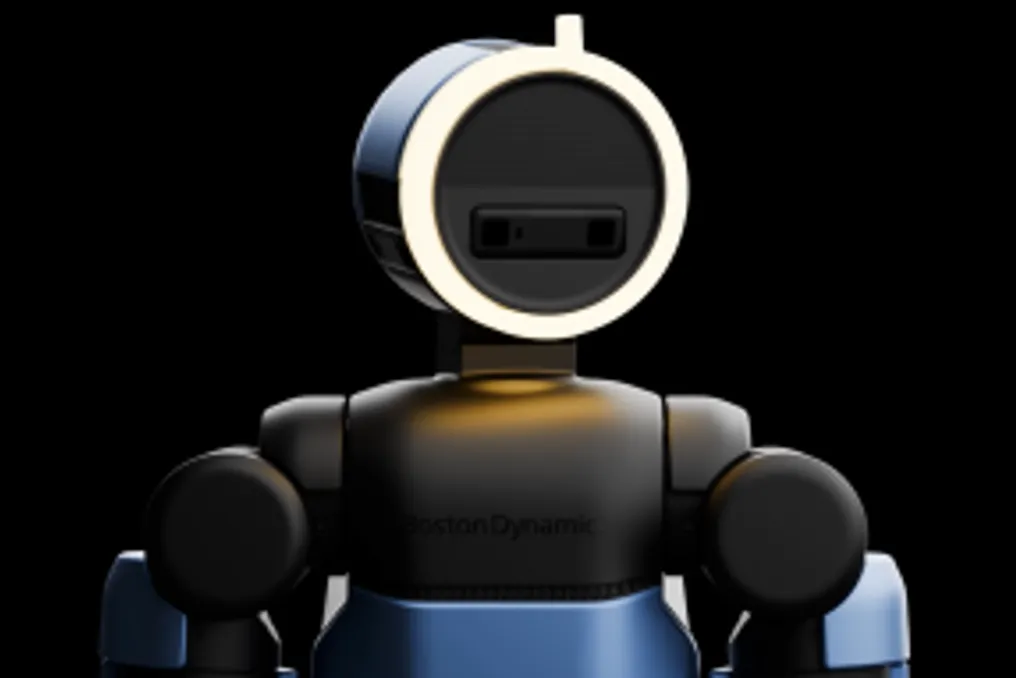
The humanoid robot Atlas, developed by Boston Dynamics, has received an important update for use in production facilities. The machine is now capable of autonomously replacing a depleted battery in less than three minutes. Thanks to this new system, the equipment can operate for several shifts with minimal human involvement, thereby solving a serious industry problem—downtime.
The electric version of Atlas recognizes a critical energy level. At this point, the robot pauses its current task, proceeds to the charging station, swaps the component, and resumes operation exactly where it stopped. This feature has already been implemented in Chinese industry.
The robot's autonomy depends on the intensity of the task being performed. Under standard conditions, Atlas provides about four hours of continuous operation. However, when performing heavy tasks such as moving and lifting materials, this time is halved, limiting the working period to approximately two hours.
Before the fast battery replacement system was introduced, standard charging took about 90 minutes. On a factory floor or large distribution center, losing an hour and a half every two hours of activity represented an unprofitable loss. By reducing this interval, companies eliminate the need to purchase entire fleets of equipment to compensate for downtime.
For heavy-duty tasks, Boston Dynamics equipped Atlas with powerful specifications. The model stands about 1.90 meters tall and weighs approximately 90 kg. In fact, it can continuously withstand loads of up to 30 kg and perform short lifts of up to 50 kg. The machine is equipped with numerous tactile sensors on its arms and a camera system providing 360-degree visibility.
The manufacturer has already demonstrated how Atlas learns to manipulate non-standard objects, such as transporting a refrigerator weighing over 45 kg, using reinforcement learning. The development of new skills begins in computer modeling, where the system can execute the equivalent of millions of hours of training in just one day. Programmers adjust variables with each attempt, and the behavioral patterns created digitally are then transferred to the robot in a real environment.
The team of engineers continues to test the limits of the equipment, training the machine to perform impressive acrobatic tricks, which is a long-standing tradition. Although the robot will not perform somersaults in the middle of an automotive assembly line, these movements develop concepts of balance, agility, and recovery. If the equipment stumbles while carrying a heavy part, for example, these athletic skills ensure that it can compensate for the weight, plant its feet on the ground, and avoid falling, protecting both its own equipment and the factory's products.