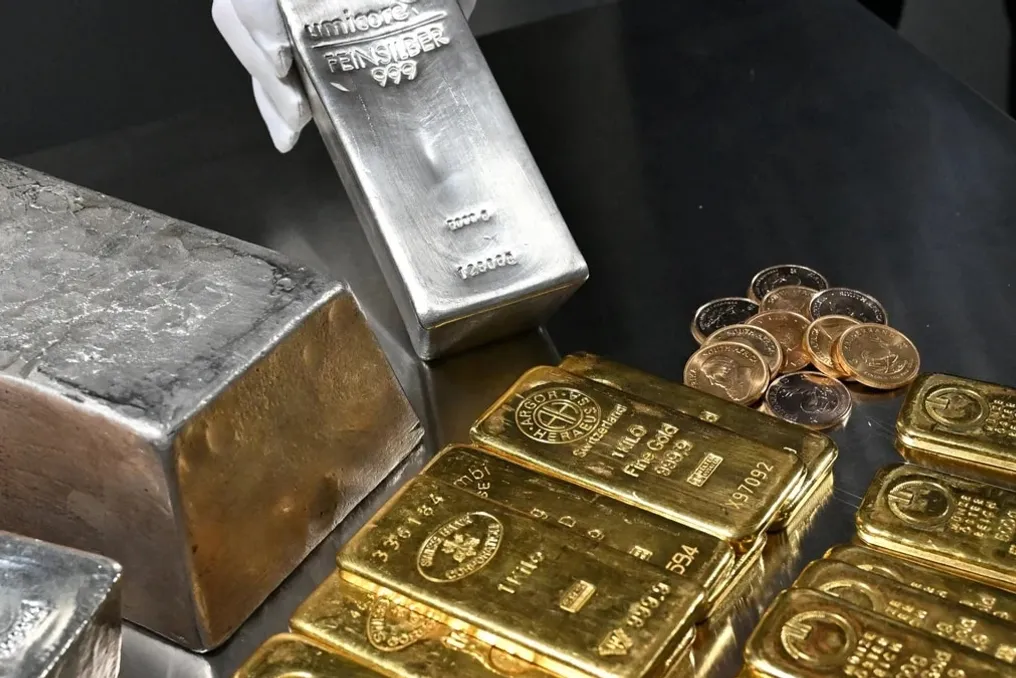
Amid turbulence in the global market, gold prices have once again shown significant growth. The achievement of a 10-week peak level is due to signals of interest rate easing in the US and active purchases by central banks worldwide.
Gold traditionally remains a preferred asset for wealth preservation, whether during wedding seasons or periods of market uncertainty. However, the recent surge in the precious metals market has attracted close attention from investors. On the international market, the price of gold exceeded the 4300–4400 dollar per ounce mark, reaching its highest level in ten weeks.
Several factors contributed to the rise in gold's value, including signs of weakening interest rates, central bank activity, and growing global instability. Expectations of a slowdown in monetary policy tightness in the US supported demand for gold, as investors began to focus more on this metal.
Furthermore, record purchases by central banks are stimulating price growth, as global banks acquire gold to diversify their currency reserves. According to one report, central banks purchased about 51 tons of pure gold in June alone, with China and Poland leading among buyers.
The geopolitical situation has also influenced the rise in gold prices. Lower crude oil prices and events in the Middle East have brought relief to inflation, strengthening hopes for monetary policy easing. Strong demand from China and the FOMO factor (fear of missing out) are also contributing to the increase in gold's price.
Commodity expert companies believe that this upward trend in gold may continue as long as uncertainty persists in the global market and central banks continue to increase purchases. Analysts suggest that gold support will be maintained due to central bank activity and overall global instability, which in turn implies a steady strengthening of prices in the domestic market.
Given gold's attainment of a 10-week high, ordinary investors are wondering about the advisability of entering the market at this time. Experts advise against large lump-sum investments at current prices and instead consider using a SIP (Systematic Investment Plan) strategy. For starting new investments, it is recommended to use digital gold, Gold ETFs, or small regular contributions through SIP.
Specialists also recommend limiting the share of gold in the overall portfolio to 10–15 percent to ensure portfolio balance. Overall, this rise in gold reflects not just a short-term jump, but the increasing role of gold as a global reserve, which many investors include in their portfolios for diversification and risk management.