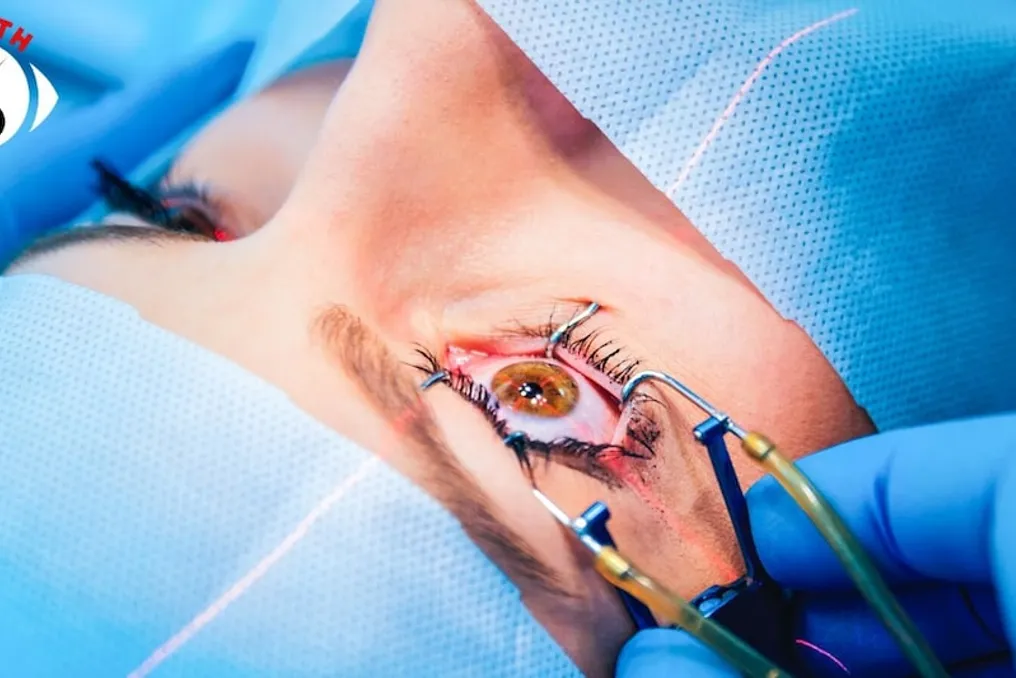
Vision loss due to corneal damage, known in medical terminology as corneal blindness, is a serious problem. Although vision restoration is possible through corneal transplantation, India faces a significant issue because the number of corneal donors is much lower than the need, which hinders timely treatment for patients in need.
To address this problem, work is being done at the RP AIIMS center in Delhi on both corneal transplantation and the use of artificial corneas. Professor Dr. Rajesh Sinha of AIIMS reported that the use of artificial corneas began about a year ago for some patients; currently, it is used on a limited basis, but the development of artificial analogues of various parts of the cornea could radically change this field in the future.
Dr. Rajesh Sinha noted that approximately 8.2 percent of the country's population suffers from corneal blindness, with this figure reaching about 38 percent among people aged 0 to 49 years. Typically, vision loss occurs due to damage to the patient's cornea, and the primary method of vision restoration is corneal transplantation. For this, a healthy cornea is extracted after a person's death and implanted into the needy patient.
Dr. Sinha emphasized that the country requires about one hundred thousand donor corneas annually, but the available number of donors is significantly smaller. He specified that only about 3 percent of the required corneas become available. This is why many patients have to wait a long time for a corneal transplant. Nevertheless, awareness of organ and corneal donation has increased in recent years, contributing to an improvement in the number of transplants.
Simply put, an artificial cornea is a replacement for a damaged cornea. Its goal is to provide an alternative treatment option for patients for whom standard corneal transplantation is not sufficiently beneficial or who lack a donor cornea. According to Dr. Sinha, it cannot currently be applied to all types of corneal blindness, and at AIIMS, it is used only in special cases. To date, artificial corneas have been transplanted into about 20 patients.
Dr. Sinha believes that solving the problem of corneal blindness involves not only artificial corneas but also increasing corneal donation. A healthy cornea obtained after a person's death can restore sight to another person. Therefore, he appeals to the public to support corneal donation to bring light into the lives of those in need.