According to data from the UN Comtrade international trade database, Uzbekistan ranked sixth in the world for sweet cherry exports in 2024, sending 32.2 thousand tons of fresh berries abroad.
According to data from the UN Comtrade international trade database, Uzbekistan ranked sixth in the world for sweet cherry exports in 2024, sending 32.2 thousand tons of fresh berries abroad.
For the period from January to June 2026, the National Committee on Statistics reported that Uzbekistan exported 23.3 thousand tons of sweet cherries worth 57.9 million US dollars to 11 foreign countries.
In 2024, the total value of fresh sweet cherry exports from Uzbekistan reached 70.4 million US dollars, allowing the country to enter the ranks of major global suppliers of this fruit by volume.
Chile was the leader in the global sweet cherry export market in 2024, supplying 529.5 thousand tons. Hong Kong was in second place with 168.4 thousand tons, and the United States was third with 84.2 thousand tons.
The top ten global exporters also included Turkey with 66.5 thousand tons, Spain with 34.1 thousand tons, Greece with 28.0 thousand tons, Azerbaijan with 25.8 thousand tons, Austria with 18.1 thousand tons, and Moldova with 10.1 thousand tons.
The volumes of sweet cherry exports from Uzbekistan showed significant fluctuations over the years. In 2016, supplies amounted to 29.2 thousand tons, and in 2017, they were 30.6 thousand tons, and in 2018, 33.8 thousand tons, after which they decreased to 16.8 thousand tons in 2019.
Exports recovered to 31.3 thousand tons in 2020 and reached 60.8 thousand tons in 2021. In 2022, the volume was 25.4 thousand tons, and in 2023, it was 45.0 thousand tons; in 2024, 32.2 thousand tons were exported, and in 2025, 31.7 thousand tons.
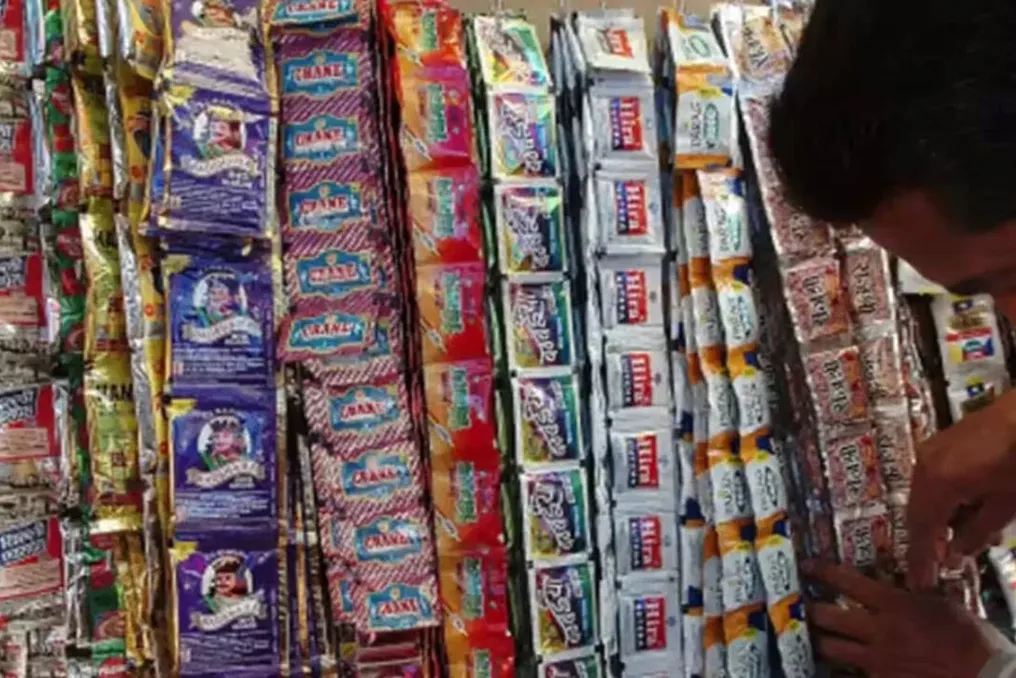
India's food safety regulator has introduced changes to existing packaging norms, prohibiting the use of plastic and plastic-laminated packaging for pane masala, according to a press release.
The Food Safety and Standards Authority of India (FSSAI) has stipulated that pane masala must now be packaged exclusively in paper, cardboard, cellulose, or other naturally derived materials.
These materials must be completely free from plastic, including polyethylene, polypropylene, polyester, polyvinyl chloride (PVC), and other synthetic polymers, copolymers, or laminates, as well as aluminum foil or metallized layers. However, the use of tin and glass containers is permitted.
Manus, an artificial intelligence startup, will resume autonomous operation after Chinese authorities decided that Meta must abandon the purchase of the company. This deal, which was announced in December 2025, was valued at over US$ 2 billion, corresponding to about R$ 10.3 billion.
This separation will have direct implications for users, as some will need to back up data created from December 29, 2025, which may be deleted this month.
Founded in China in 2022, Manus later moved its operations to Singapore and focuses on developing general-purpose AI agents.
Although Meta announced the acquisition in December, the agreement was evaluated by both Chinese and American authorities. In April, China's National Development and Reform Commission determined the cancellation of the transaction.
This determination initiated the separation process between the two corporations. Simultaneously, Beijing intensified control over technology exports and international business, in a context where China and the United States compete in sectors such as AI data, hardware, and talent.
Manus itself communicated that 'it will soon operate as an independent company.' The change will affect some user data, and the company informed that certain information generated after December 29, 2025, will be removed this month.
According to the startup, this action is necessary to meet regulatory requirements in certain regions and is part of the decoupling process from Meta.
The acquisition was part of Meta's strategy to expand its ventures in artificial intelligence, planning to integrate Manus's technology into products aimed at both consumers and businesses. This move occurred while Meta sought to establish an AI-based subscription service to compete with giants like Google, Anthropic, and OpenAI.
The week before the separation announcement, Meta launched its first programming agent, reinforcing its initiative to generate revenue through artificial intelligence. Furthermore, the separation comes amid interest from other companies in Manus; according to Reuters, Tencent was negotiating in July to become the startup's largest shareholder.
With the breakdown of the agreement, Manus continues its independent path, while the AI market remains characterized by rivalry between Chinese and American companies. The startup will still face the regulatory demands that led to the end of the acquisition by Meta.
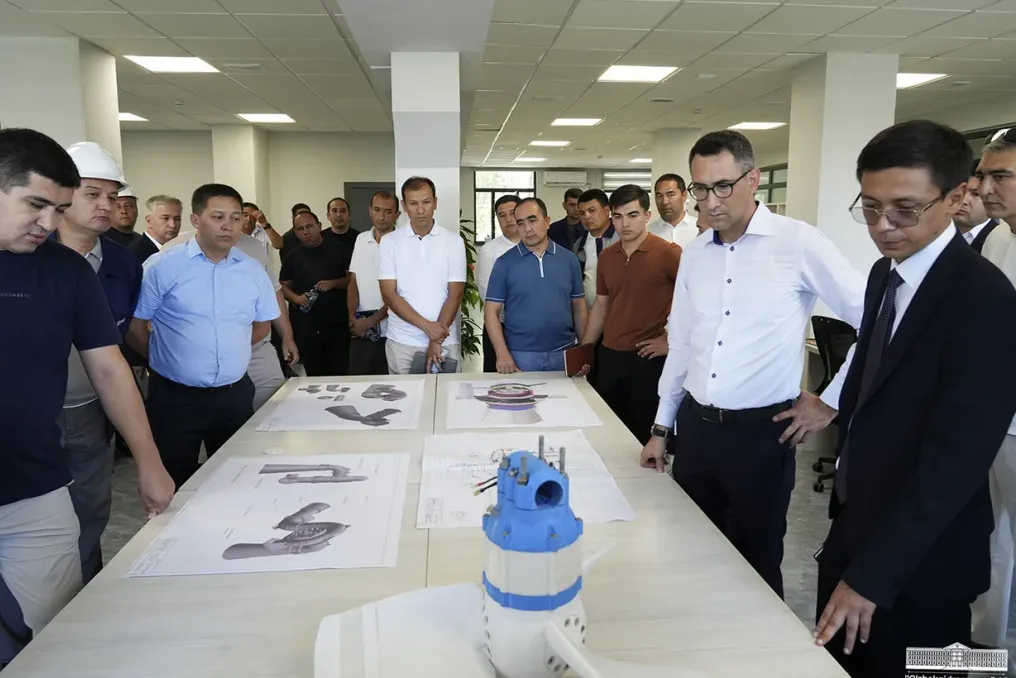
Islam Abdurakhmonov, Chairman of the Board of Directors of JSC "O'zbekgidroenergo", organized an open meeting with entrepreneurs on August 11, 2026, at the UzHydroPower reservoir located in the Bostanlyk district of Tashkent region, Uzbekistan.
The main goal of the event was to promote the development of hydropower, expand the construction of small and micro-hydroelectric power plants (SHPPs), and increase private sector participation through public-private partnerships.
The meeting gathered senior executives from JSC "Gidroproyekt" and other subsidiaries of "O'zbekgidroenergo", representatives of AOB Turonbank, as well as about twenty entrepreneurs. At the beginning of the session, participants were presented with detailed information about current projects of "O'zbekgidroenergo", plans for the construction of small and micro SHPPs, opportunities for local production, and new prospects for private investors.
Discussions covered practical aspects of project implementation, including selecting optimal construction sites, preparing design documentation, determining technical solutions, sourcing equipment for hydropower, carrying out installation work, and commissioning facilities. Entrepreneurs asked industry specialists questions regarding design, cost estimation, compliance with technical requirements, equipment procurement, construction logistics, commissioning, and project financing.
Representatives of Turonbank provided information on preferential lending conditions, financing mechanisms, and procedural requirements for developers. "O'zbekgidroenergo" confirmed its readiness to support private sector initiatives at all stages—from initial design to operation launch—with an emphasis on promptly resolving emerging issues directly at the site.
During the event, attendees visited the production workshops of UzHydroPower, which operates as a joint venture with the Chinese company Zhejiang Jinlun Electromechanic Co., Ltd. This plant produces hydro-generators, turbines, generators, pumping equipment, and metal structures for reservoirs ranging from 1 kW to 40 MW. The enterprise's production capacity is aimed at supporting small and micro SHPP projects using localized competitive equipment.
After the dialogue concluded, officials reviewed the proposals submitted by entrepreneurs, identified practical solutions, and assigned specific tasks to responsible employees to accelerate the development of private SHPPs.