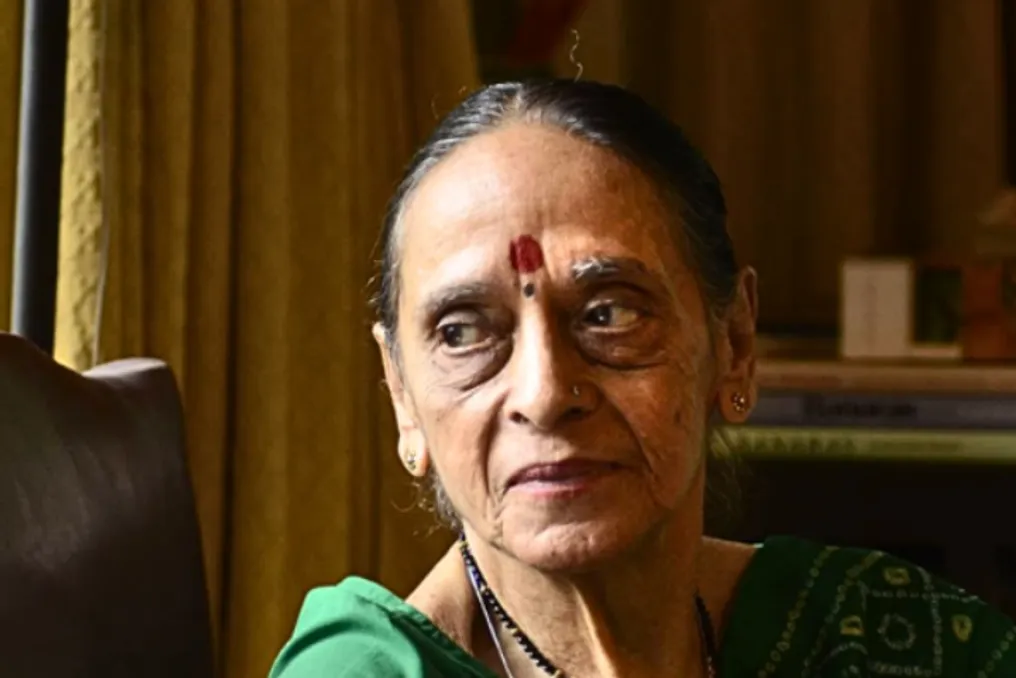
Leila Seth, India's first female Chief Justice of the High Court, advocated for the idea that justice lies in protecting people, not punishing them. Her statements, such as 'My gay son is not a criminal,' reflected her conviction in the necessity of protecting human rights.
Born in Lucknow in 1930, she began studying law almost by chance during a trip to England, believing it was one of the few fields of activity that did not require attending classes. This accidental decision changed the history of India.
In 1958, she became the first woman to pass the London Bar exams. When an senior lawyer advised her to get married, she replied that she had already done so and built a career that others told her she could not build.
She refused to be limited to 'women's cases,' instead handling matters in constitutional, tax, and criminal law, which earned her respect in courts where women were rare.
In 1978, Leila became the first female judge of the Delhi High Court. In 1991, she achieved the rank of India's first female Chief Justice of the High Court. Thanks to the reforms she promoted, daughters gained equal rights to inherited property.
Following the horrific rape in Delhi in 2012, India needed answers, and Judge Leila Seth helped formulate them. As part of the Verma Committee, she participated in developing recommendations that transformed India's criminal legislation regarding sexual violence.
When Article 377 re-criminalized homosexuality, she spoke out against it, stating: 'My gay son is not a criminal' and 'The right that makes us human is the right to love.' She believed that no one should be punished for whom they love.
Even after her death, she continued to help: at the age of 86, Judge Leila Seth donated her body for medical research, leaving behind not only judicial decisions but also an example of supreme humanity.