Tests revealed a sharp decrease in the flash point when mixing ethanol with diesel fuel, which casts doubt on the viability of such a mixture.
Tests revealed a sharp decrease in the flash point when mixing ethanol with diesel fuel, which casts doubt on the viability of such a mixture.
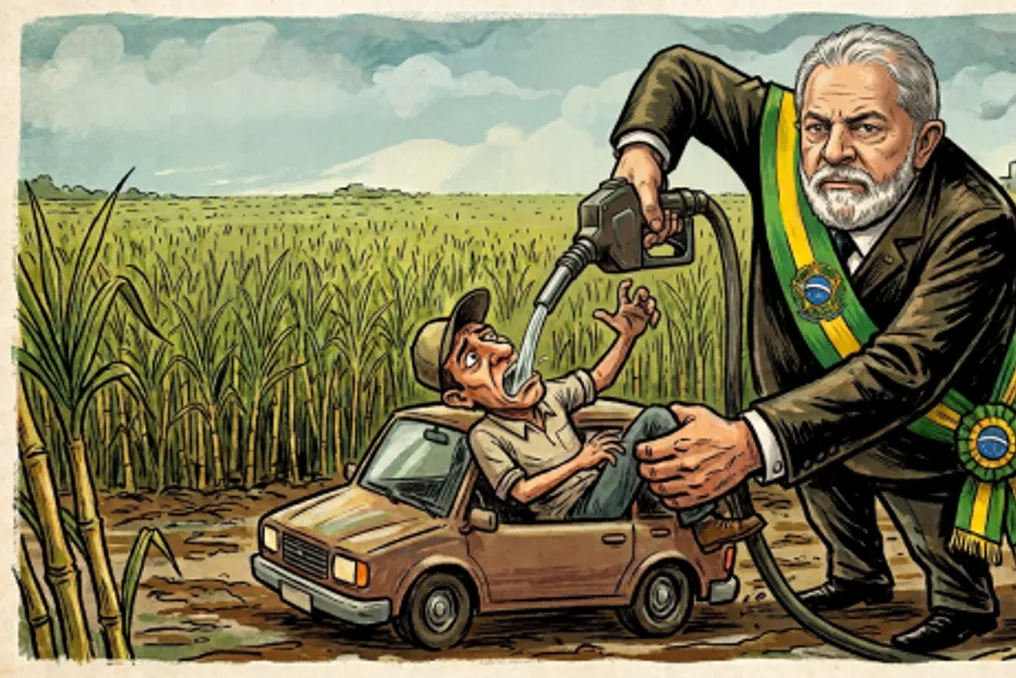
The federal government is reportedly using the environmental agenda to yield to pressure from biofuel producers. Specifically regarding ethanol, the content in gasoline was illegally raised to 32% starting August 1st through a measure classified as 'provisional.'
Legislation known as the Future Fuel Law establishes a limit of up to 35% alcohol, provided that tests are conducted to prove the technical viability of this mixture. Such tests have not yet begun and, according to the text, will take at least six months to meet the minimum approval requirements.
In light of this, the Federal Public Ministry of Minas Gerais (MPF-MG) filed a public action against the federal government, contesting the E32 due to alleged non-compliance with the law.
This situation forces the Brazilian consumer, who did not opt for hydrated ethanol directly at the station, to accept the E32 mixture in gasoline. The government, according to the analysis, is not considering the potential damage to drivers, including increased consumption, since the long-term impact of E32 is uncertain.
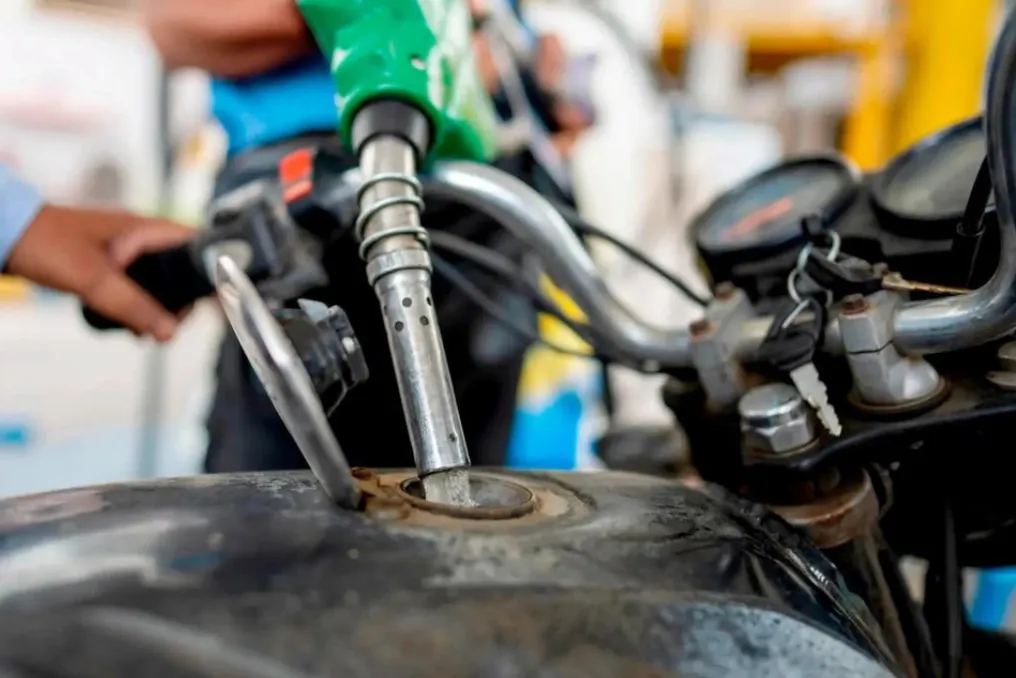
This content can cause oxidation in hoses and metal components of automobiles that were not designed to withstand this concentration of ethanol. For motorcyclists, this is not a future possibility; manufacturers' associations warn that motorcycles have already shown malfunctions since gasoline migrated from E27 to E30 in 2025, a warning that the government allegedly ignored.
The text points out that there are more effective and strategic methods to increase ethanol production and consumption in Brazil, but these require adequate planning by the responsible bodies—a term that, according to the article, has diminished in governmental discourse.
Currently, only 30% of the flexible car fleet (which represents 80% of the total) uses ethanol. A government incentive could reverse this scenario, leading 70% of drivers to switch from gasoline to alcohol. Furthermore, industries have the capacity to manufacture exclusive ethanol engines, although there is concern that drivers might return to depending on alcohol producers, echoing the episode of the 'Death Decree of Pro-Alcohol' in the late 80s.
It would be possible for some factories to start producing these engines immediately, offering greater efficiency than flex models fueled with alcohol, which would represent an advance in replacing fossil fuels with vegetable derivatives.
Alcohol is seen as a promising alternative for global decarbonization and could be established as a commodity with guaranteed exports to nations adopting electrification more gradually. The United States (using corn) and Brazil (with sugarcane and corn) are cited as the largest global producers of ethanol, although other countries also produce in smaller scales and some have incorporated alcohol into gasoline at concentrations lower than those in Brazil.
In summary, the article concludes that, under the influence of agribusiness, the Ministry of Mines and Energy is considered complicit with the Presidency of the Republic by allowing the illegal increase in ethanol content, neglecting the creation of a solid plan to integrate alcohol into the national energy matrix without violating legislation or harming drivers.
The Ministry of Petroleum reported that if oil companies did not blend ethanol into automotive fuel, the price of gasoline in the capital could have reached approximately 125 rupees per liter when global crude oil prices reached $135 per barrel.
It was noted that consumers paid 94.77 rupees per liter because 20% of each liter consisted of domestic ethanol purchased at pre-agreed prices, which helped shield retail fuel prices from sharp increases in global crude oil prices. During the peak of the crisis, this resulted in savings of nearly 30 rupees per liter at the pump.
The government kept gasoline and diesel prices unchanged for almost 75 days after the start of the Middle East conflict on February 28 before raising them by 7.5 rupees per liter in May.
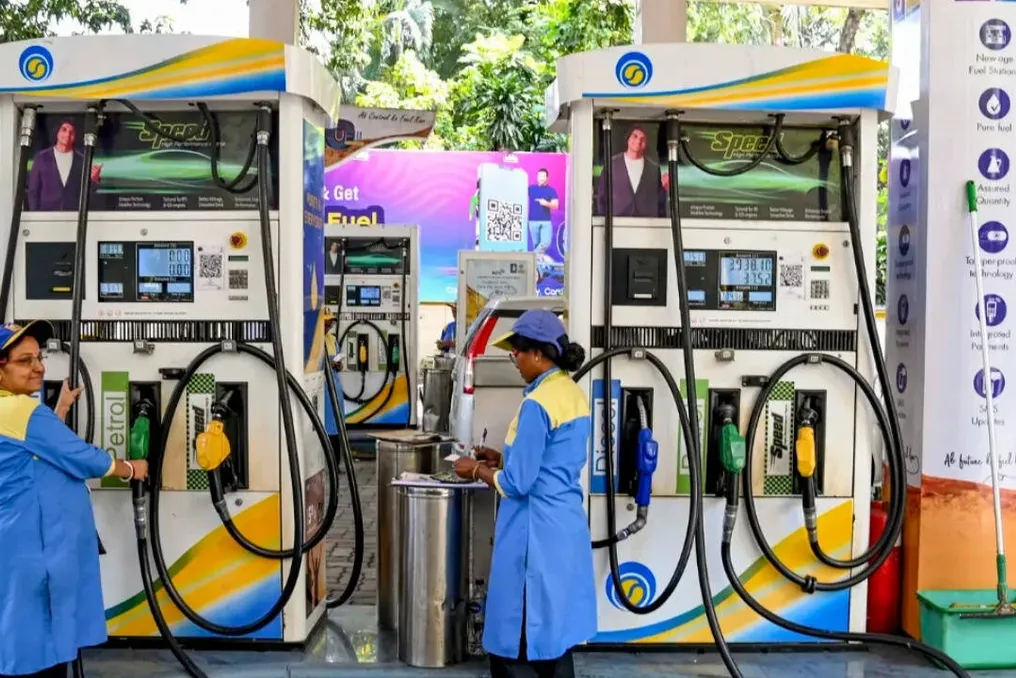
Currently, 91-octane standard E20 gasoline in Delhi costs 102.12 rupees per liter, and 100-octane gasoline is sold at a price of 169 rupees per liter.
Furthermore, the ministry rejected accusations that grain intended for low-income groups is being diverted to ethanol production, or that subsidized FCI rice is being used to support this program.
The Ministry of Petroleum stated on Friday that if India did not implement the ethanol blending program, gasoline in Delhi would cost around 125 rupees per liter when global crude oil prices reached $135 per barrel.