By July 2026, the share of old-age pension payments provided proactively in Uzbekistan without citizens submitting applications increased to 85%. In the first month after the system launch in 2025, this figure was 42%.
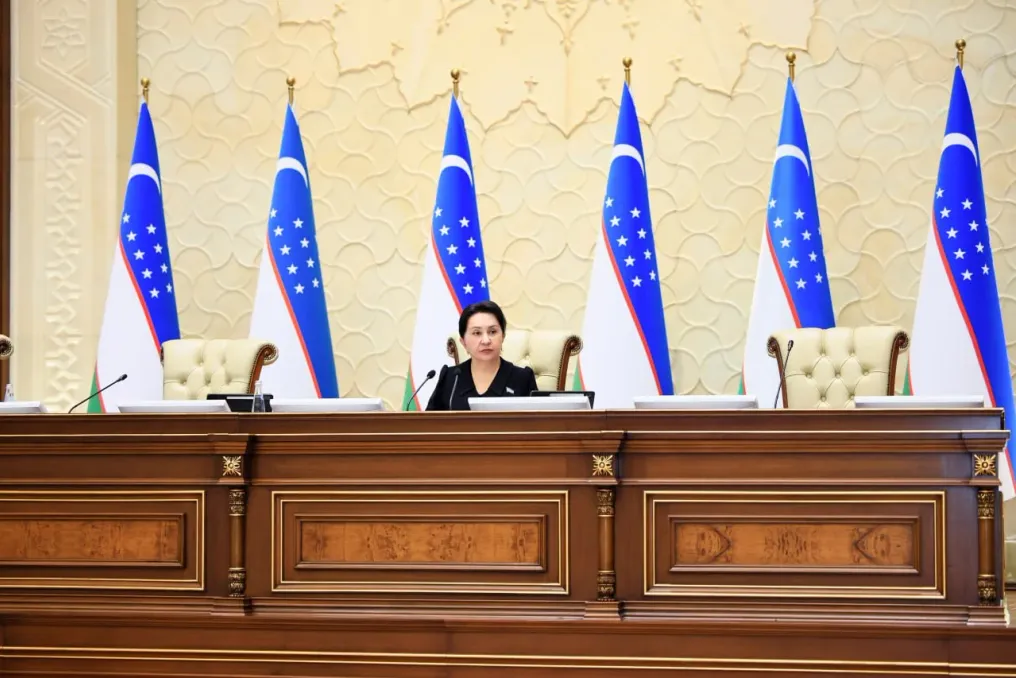
Nuriddin Shadikhodjayev, Deputy Director of the Pension Fund, presented these data at a Senate meeting on August 7, 2026. He reported that the Pension Fund has established electronic data exchange with eighteen ministries and agencies for the automatic assignment of old-age pensions.
One of the main obstacles at the initial stage was the incomplete digitization of citizens' employment records. Shadikhodjayev noted that initially there were problems regarding how completely citizens' data across all periods of their work had been digitized in the relevant ministries and agencies, but these issues are now being resolved in stages.
Questions about the system's operation
Senator Malika Kadirkhanova asked a question about the system's functioning. According to her, about eight thousand applications were received over six months, some of which concerned incomplete service records due to deficiencies in data digitization. Applicants indicated that in certain cases, this led to the assignment of smaller pension amounts.
Kadirkhanova also asked how many such cases were identified after the system launch and whether similar problems would arise when expanding the proactive mechanism to disability pensions.
System development and plans
Shadikhodjayev explained that the system's efficiency gradually improved as data was digitized. In the first month after implementation in 2025, 42% of eligible citizens received pensions proactively, and by July 2026, this percentage reached 85%. Since the system launched, 154,205 citizens have been assigned old-age pensions without the need to apply, as they did not need to separately visit the Pension Fund or submit documents.
The Pension Fund announced plans to fully transition relevant public services to proactive and electronic formats by the end of 2027. It is also proposed to extend the experience of automatic assignment of old-age pensions to citizens with disabilities of the I and II groups. According to estimates, this process will allow approximately 52,000 people to receive pensions annually without applying.
Senators approved the relevant amendments providing for the proactive assignment of pensions to citizens with disabilities of the I and II groups. The new rules also include automatic recalculation of pensions and protection against excessive deductions.
Implementation requirements
Senate Chairman Tanzila Narbaeva emphasized that the digitization of pension services should not create additional difficulties for citizens. She noted that organizational and technical problems arising during the implementation of new standards must be promptly eliminated.
Furthermore, she stressed the need to inform people with disabilities about the new opportunities. In her opinion, the Pension Fund, the Ministry of Justice, disability associations, and specialized non-governmental non-profit organizations should participate in these efforts.