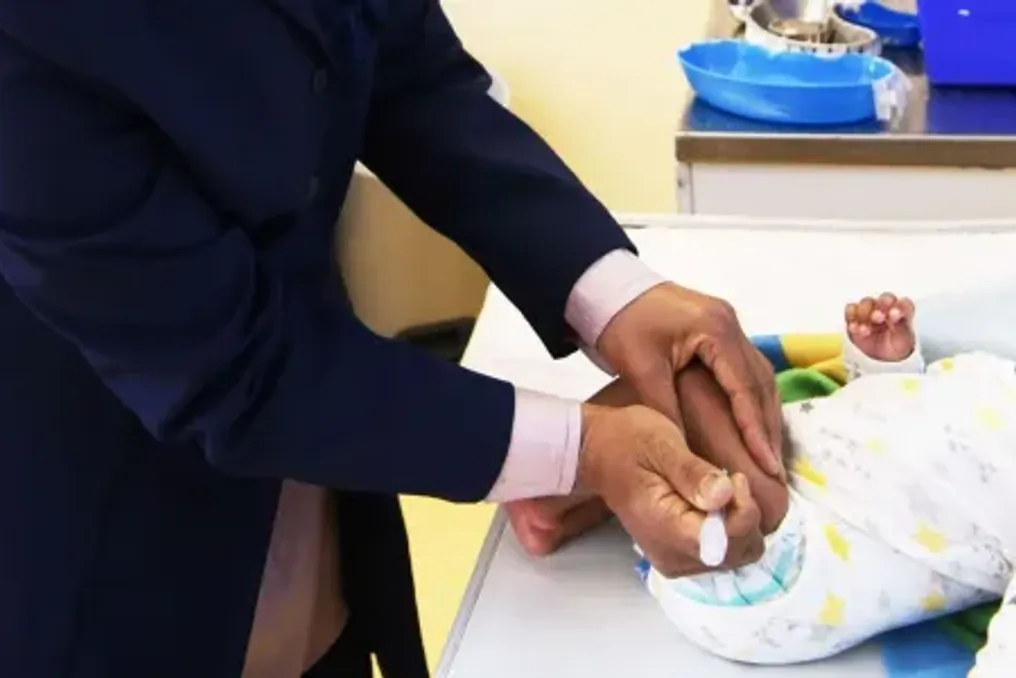
There is a serious deficit in infant immunization coverage in the Western Cape: in 2024/25, the rate for children under one year old was only 67.4%, which is substantially behind the required 90% needed to achieve herd immunity.
This coverage level has decreased compared to the previous period, when it stood at 67.6% in 2023/24. The Western Cape Department of Health and Wellness warns that this gap leaves thousands of infants vulnerable to preventable diseases.
Routine childhood immunization is part of South Africa's Expanded Programme on Immunisation, which begins at birth and continues throughout childhood, providing vaccinations up to age 12. These vaccines are designed to protect children from vaccine-preventable diseases and are available free of charge at public health facilities.
The Department emphasized that the 67.4% coverage rate remains a serious concern. A department representative, Shimoney Regter, noted: 'Ideally, our vaccination coverage should be 90% to achieve herd immunity. This is a significant gap that leaves thousands of infants vulnerable to preventable diseases.'
Vaccinations protect infants from diseases such as tuberculosis, polio, diphtheria, tetanus, pertussis, hepatitis B, Hib meningitis, pneumonia, rotavirus diarrhea, and measles.
The Department reported that national immunization coverage has been under pressure since the Covid-19 pandemic, as disruptions in routine healthcare services have led to gaps in childhood vaccination. These difficulties have been compounded by vaccine hesitancy and misinformation, which, according to officials, has prompted some parents to delay or refuse vaccinations despite evidence of their safety and effectiveness.
In response to the situation, the Department is implementing various programs: clinic immunization services, as well as outreach programs, mobile units, and 'door-to-door' initiatives aimed at encouraging communities to bring children for vaccination. Parents are also advised to regularly check the child's 'Health Passport' to ensure that scheduled vaccinations have not been missed.
No prior appointment is required at public health facilities for childhood vaccinations, and they are provided free of charge. Children who have missed vaccinations can visit a public facility to bring their schedule up to date. The Department cautions that vaccine-preventable diseases can cause serious complications, including pneumonia, diarrhea, brain infections, and blindness. These complications are particularly dangerous for infants under two years old and malnourished children.
Officials added that even a small decline in immunization rates can negate years of progress in protecting children from preventable diseases. Regter stated: 'Even a small drop in immunization coverage can undo years of progress. Immunizations are safe, free in public clinics, and save lives.' Parents who remain uncertain about vaccinating their children are advised to consult with healthcare professionals and seek information from authoritative sources, including the Department, the World Health Organization, and UNICEF.