The South African Social Security Agency (SASSA) has published the schedule for social benefit payments for September. Payments will commence in the first week of the month.
The South African Social Security Agency (SASSA) has published the schedule for social benefit payments for September. Payments will commence in the first week of the month.
According to the payment schedule for September 2026, the old age grant will be paid on Wednesday, September 2, 2026. The disability grant is scheduled for Thursday, September 3, 2026. Child benefit payments (including grants for child maintenance, foster children, and dependency care) will take place on Friday, September 4, 2026. The SRD grant will be paid in stages in the middle or end of September.
Previously, SASSA reminded benefit recipients about the introduction of a fourth payment day for those undergoing benefit verification or eLife certification. The agency warned that failure to comply with these requirements may lead to the suspension of payments.
Recipients who received benefits on the fourth payment day must visit the nearest SASSA office to complete the verification process and prevent disruptions in future payments. SASSA explained that benefit verification and eLife certification are conducted in accordance with the Social Assistance Act and aim to confirm the continuous eligibility of recipients.
This process also helps exclude payments to deceased or ineligible persons, detect fraud, and ensure that public funds reach qualified recipients. The agency emphasized that regular checks play a crucial role in maintaining the integrity of the social assistance system while improving communication and service delivery through recipient data updates.
The amounts of benefits for September 2026 are set as follows: grants for the elderly, disabled, and dependents will amount to R2400. The war veteran grant will be R2420. The foster child grant will be R1290, and the child maintenance and assistance grant will be R580.
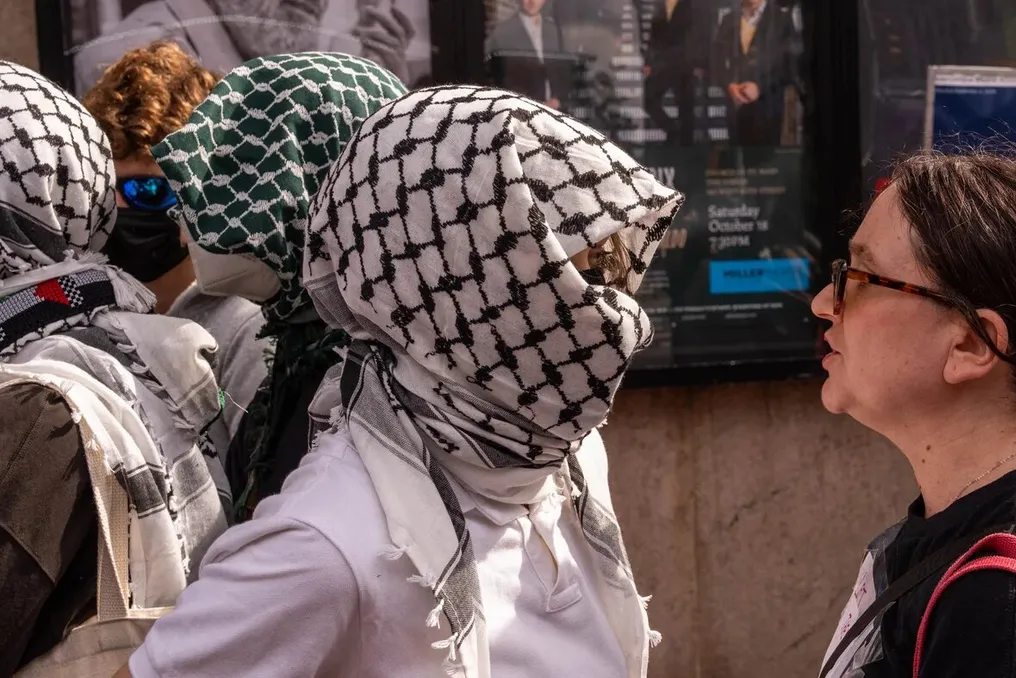
A group of current and former Palestinian students and staff has sued Columbia University, accusing the Ivy League institution of discriminating against Palestinians and targeting Palestinian activism on campus.
The lawsuit was filed in the New York State Supreme Court this week. The complaint alleges that following the attacks organized by Hamas on southern Israel on October 7, 2023, and the subsequent genocide of Palestinians in Gaza perpetrated by Israel, Columbia subjected Palestinian students, faculty, and staff to unequal treatment.
The plaintiffs claim that Columbia 'actively participated in and amplified' what they describe as racist, ethnic, and politically motivated harassment of Palestinians. Mahmoud Khalil, a Palestinian activist and former Columbia graduate student, also highlighted the lawsuit on X, noting that students are suing over alleged discrimination in the university's response to protests in support of Palestinians and Gaza.
The plaintiffs assert that the university failed to adequately protect its Palestinian community members from persecution while subjecting pro-Palestinian activists to 'unfair and biased disciplinary hearings.' According to local media, Columbia declined to comment on the ongoing legal proceedings and did not respond to a Reuters request for comment.
Among the allegations is Columbia hiring private detectives to monitor students who participated in the 'Resistance 101' event in March 2024. Six such students were subsequently suspended and evicted from university housing, as stated in the lawsuit.
The filing also accuses the university of an inadequate response to alleged physical assaults on Palestinians, including instances of forced removal of keffiyehs, as well as the spraying of noxious substances during a demonstration in January 2024 in support of Palestinians. Furthermore, the lawsuit challenges Columbia's decision to call in the NYPD to campus to dismantle Palestinian protest encampments and arrest demonstrators in 2024.
The plaintiffs include lecturer and former anthropology student Hadil Assali, former lecturer Bahia Munem, graduate student Mahdi Sabbagh, 2025 graduate and former student movement organizer Mariam Alwan, and Laila Saliba, who graduated from Columbia's School of Social Work in 2025. Saliba was previously among Palestinian students who accused Columbia of discrimination in a federal civil rights complaint filed in 2024. At that time, she stated that Palestinian students were being mistreated and called on the university to acknowledge anti-Palestinian racism.
This lawsuit comes amid years of debate over how Columbia handles protests against the war in Gaza. In July 2025, Columbia reached an agreement with the Trump administration to resolve federal investigations into alleged violations of anti-discrimination laws and restore federal research funding that had been frozen by the government.
Under this agreement, the university agreed to pay the U.S. government $200 million and an additional $21 million to settle Equal Employment Opportunity Commission investigations concerning allegations of antisemitism against Jewish employees. Columbia did not admit guilt and disagreed with the government's finding of a violation of Title VI Civil Rights Act.
The university also settled a separate lawsuit filed by Jewish plaintiffs in February 2026, which claimed that Columbia failed to protect Jewish and Israeli students from antisemitism. Meanwhile, Palestinian activists and free speech groups have repeatedly criticized Columbia for disproportionately harsh punishment of opposition to Israel. Reuters reported that students faced arrests, suspensions, expulsions, and revocation of diplomas during the university's campaign to suppress Palestinian protests.
The new lawsuit seeks monetary compensation under the New York City Human Rights Law, which prohibits discrimination and harassment based on characteristics including race and national origin.
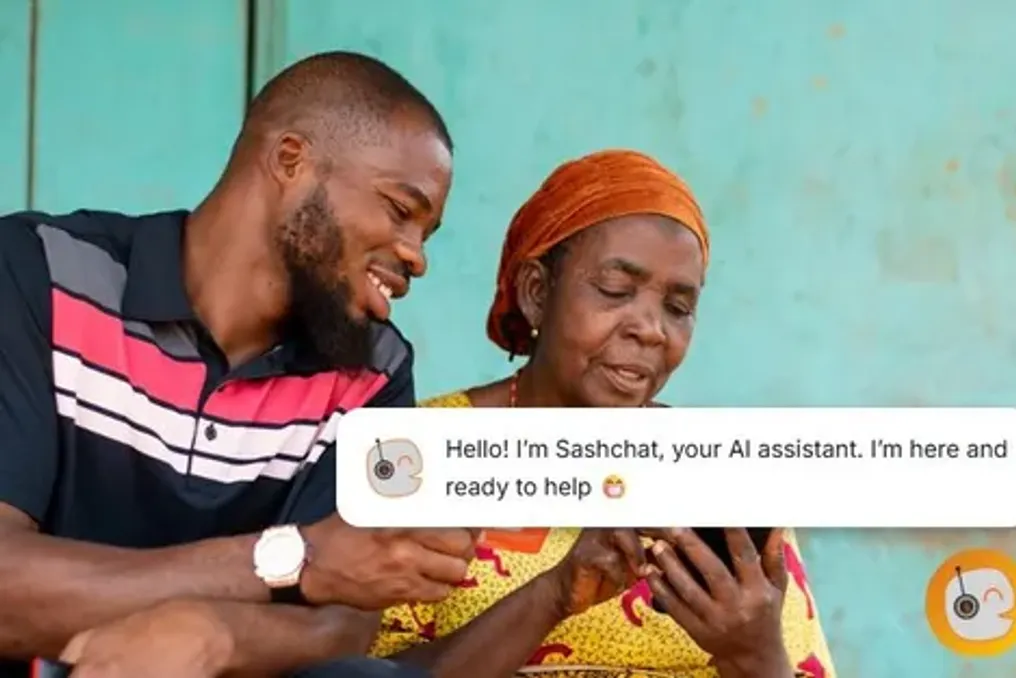
The human rights organization Black Sash has introduced SashChat, a multilingual chatbot that provides South Africans with 24/7 access to vital information and support regarding their rights.
This chatbot is accessible via WhatsApp platforms, the official Black Sash website, and the organization's Facebook page. This allows users to receive necessary information outside of the standard hotline operating hours.
At the launch ceremony on Tuesday, Kgotso Sibanda, Manager of the National Hotline for Black Sash, stated that the development of the chatbot was prompted by the growing demand for assistance via WhatsApp and the pressure this placed on the organization's existing hotline.
The Black Sash hotline has been operational for over 15 years, offering free consultations, advice, and referrals to people needing help with social and economic rights. In 2018, the organization began using WhatsApp services, and by 2023, the majority of clients contacting the hotline did so through WhatsApp.
Sibanda noted that the hotline could handle approximately 100 messages per day, which were answered by two paralegals. She emphasized that due to the high volume of messages, users often sent only greetings and waited for a response, leading to lengthy exchanges, delays, and increased workload.
Furthermore, the organization found that many inquiries arrived outside of working hours when paralegals were unavailable. SashChat was created to solve these problems, ensuring that people can access reliable information at any time.
According to Sibanda, the chatbot was trained on Black Sash materials, legislation, the Constitution, and other verified sources. It is configured to answer questions within the scope of the information it was trained on.
SashChat supports all 11 official languages of South Africa, as well as other languages including Swahili, French, and Shona. Users can send voice messages, and the chatbot is capable of interpreting images and documents.
The service began operating in a pilot phase on June 2 before its full launch. During the trial period, users submitted 374 requests for paralegal assistance, with 99.5% of these requests being resolved. Separately, 27.7% of requests were escalated to a human for further assistance.
Those requiring specialist help can request a live chat with a paralegal during working hours: from 8 am to 4 pm, Monday to Thursday, and until 3:30 pm on Friday. Outside of these times, they can leave a request for follow-up after the hotline opens. Sibanda stressed that the chatbot is not intended to replace the existing hotline, which remains available, and also mentioned the 'Call Me' service for residents in remote areas.
Khanisani Chiya from the Woza Moya project in Ixopo, KwaZulu-Natal, welcomed the implementation of this technology but expressed concerns about access in rural communities. He noted that 'our beneficiaries will need smartphones,' and pointed out the potential barrier of data access.
Chiya added that the technology could be particularly useful for communities struggling to access services directly, but warned that digital access remains a critical factor in implementing new methods of providing information and assistance.
John McWela from the Department of Social Development, responsible for appeals, stated that technology can play an important role in helping people understand and realize their rights. McWela emphasized: 'Access to information is the foundation that ultimately allows people to realize their rights.'
He reported that the department is considering developing a similar chatbot for social grant appeals, while the South African Social Security Agency (SASSA) already has a chatbot for benefit-related queries.
SASSA representative Norman Mohale stated that SashChat can help alleviate bottlenecks in service delivery, especially for vulnerable groups. Mohale noted: 'This will relieve bottlenecks in service delivery and ensure that these vulnerable people receive appropriate services.'
Black Sash announced that using SashChat is free, although internet access is required to use it through current platforms. The organization also confirmed that its existing hotline remains available for those who require immediate assistance.
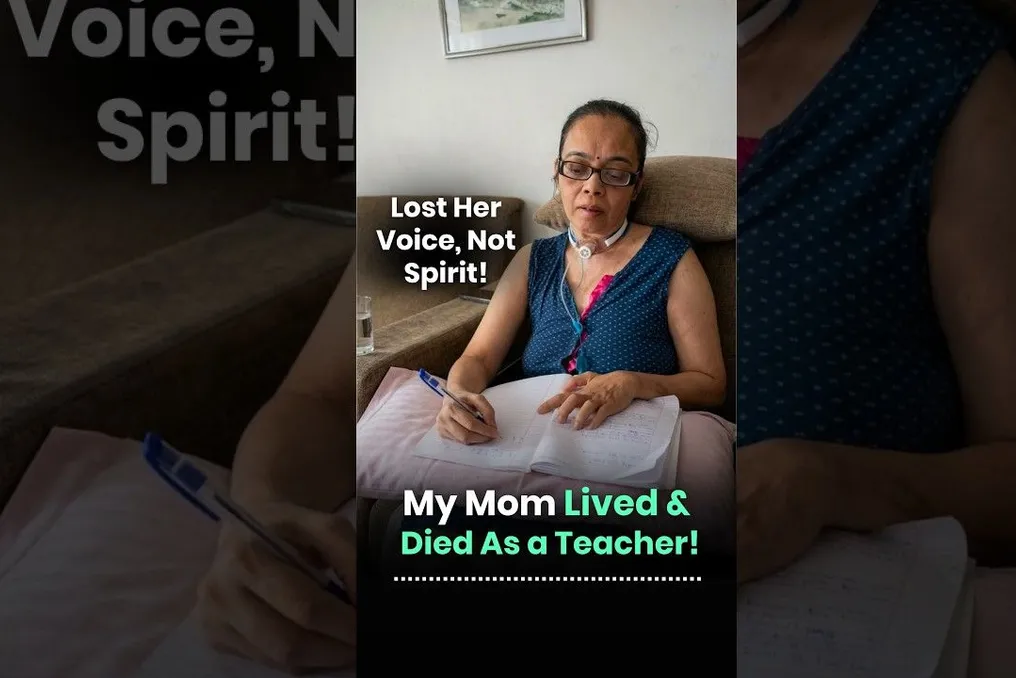
This woman, who lost her voice, never stopped teaching. For over thirty years, she was a beloved teacher in Bandra.
At the age of 55, Multiple System Atrophy (MSA) changed almost every aspect of her life, affecting her mobility, speech, and ultimately, her ability to live independently.
However, she refused to let the disease deprive her of purpose. She continued to teach remotely, communicating through blinking and lip movements, composing poems, helping nurses learn English, and approaching every therapy with remarkable hope and determination. Even when her teaching method had to change, her desire to educate remained constant.
She passed away this year, but MSA never became her identity. She left behind something much stronger—a reminder that resilience is not always about winning against what happens to us, but about choosing how we continue to live through the ordeal.