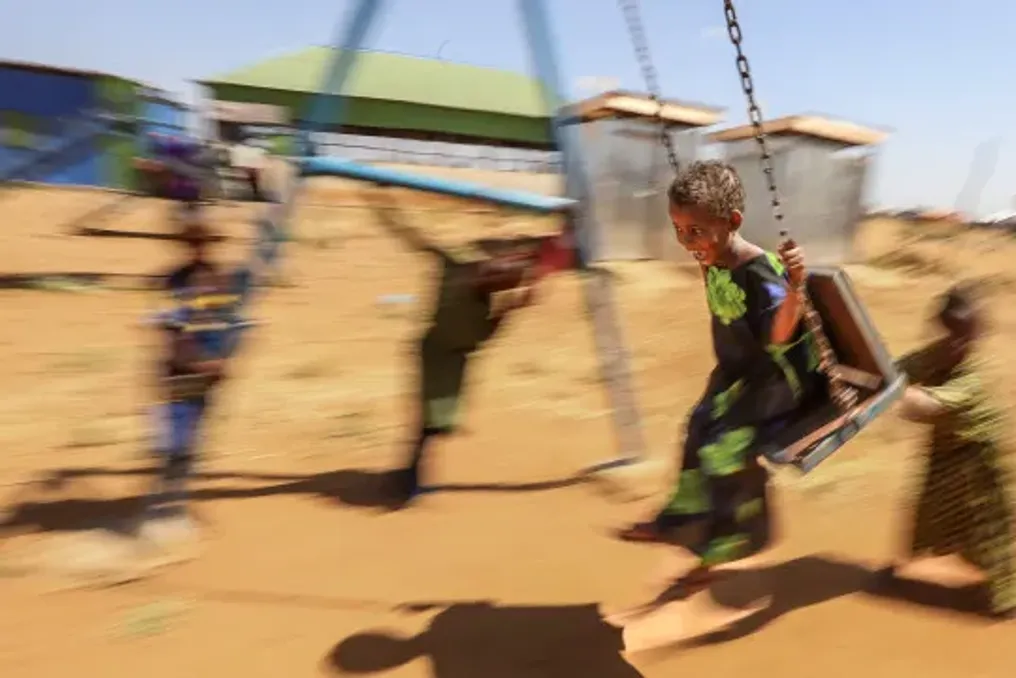
Médecins Sans Frontières (MSF) has issued an alert regarding acute child malnutrition in southern Somalia. An assessment of 21,000 children since the beginning of the year, along with a survey conducted in July, revealed that 25% of children under five suffer from 'severe malnutrition'. These data were presented during a press conference held in Nairobi.
Mitchell Sangma, MSF's health consultant in Somalia, stated in the Kenyan capital that the situation on the ground is evident, highlighting the lack of food, water, and medical assistance.
The survey, which covered 888 households in 14 displacement camps located in Baidoa, indicated that one-third of these families consume only one meal per day. Chenoa Sankar, MSF's epidemiological activities manager in Somalia, reported that this situation has generated various complications, including an increase in hospitalizations at the therapeutic feeding center for patients.
A significant part of this scenario is attributed to a severe drought, which resulted in 90% of the 500,000 displacements registered in Somalia in the first quarter of the year, with 85% of these displaced persons being women and children, according to UN data.
Sankar added that none of the interviewed families had access to meat, poultry, fish, vegetables, or fruits, implying the absence of oils and fats. She observed, while visiting markets, the general scarcity of these products and the rise in inflation.
Additionally, insecurity in Baidoa worsens the situation, as the Somali Army is in conflict with the terrorist group Al-Shabaab, in addition to facing, to a lesser extent, troops loyal to a deposed regional leader following a political dispute with the Federal Government.
Allara Ali, MSF's project coordinator in Somalia, informed via video conference that the impact of instability affects daily access to communities outside certain areas. Although access is not completely blocked, it has become difficult.
Ali stressed that Baidoa reflects the lack of services resulting from the conflict plaguing the country, specifically in this Somali region, although she mentioned that other more stable cities are also facing problems with basic services.
Ali made an urgent appeal to the international community to intervene before famine is declared, thus preventing loss of life caused by insufficient funds for emergency response. This appeal comes amid sharp cuts in humanitarian aid imposed since 2025 by the United States and several European countries.
The Federal Government of Somalia declared a state of emergency due to the drought in November 2025, marking the first declaration of this type since 2022. Several NGOs warned that Somalia faces a new food crisis fifteen years after one of the worst famines recorded, which claimed nearly 260,000 lives in 2011, half of them children.
The country has been in a state of chaos and conflict since 1991, the year the dictator Mohamed Siad Barre was overthrown, leaving the nation without a functional government and under the control of Islamic militias and warlords.
hel