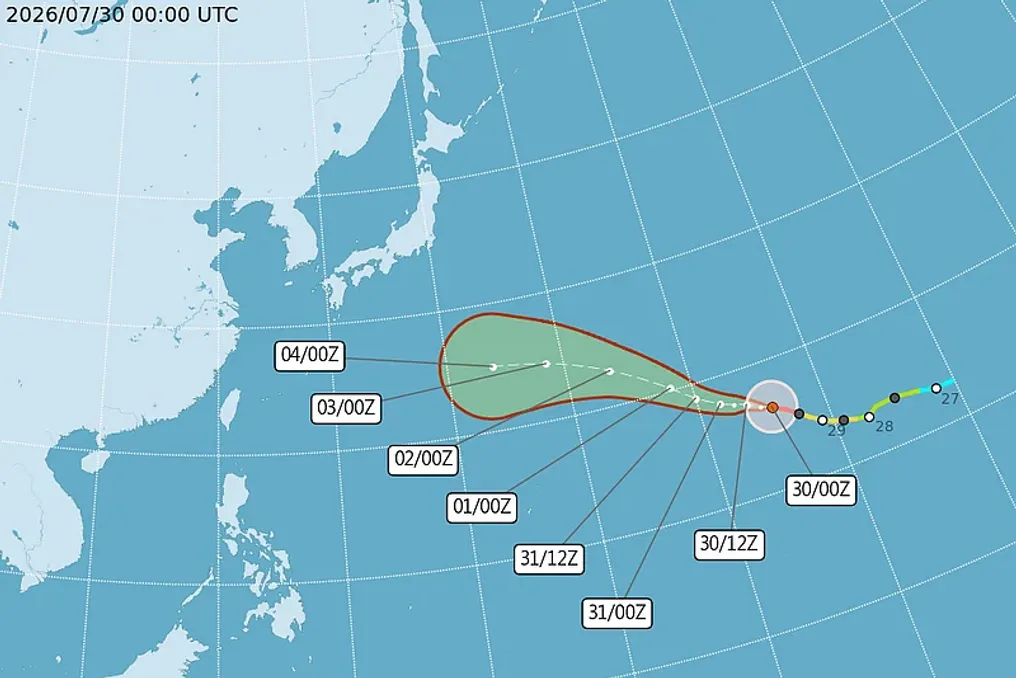
In August 2026, Typhoon Dolphin formed in the Pacific Ocean and struck the eastern coast of China. It became the most powerful tropical cyclone in China this year, reaching wind speeds of about 151 km/h. Heavy rainfall, flooding, and the displacement of over three million people were reported in China.
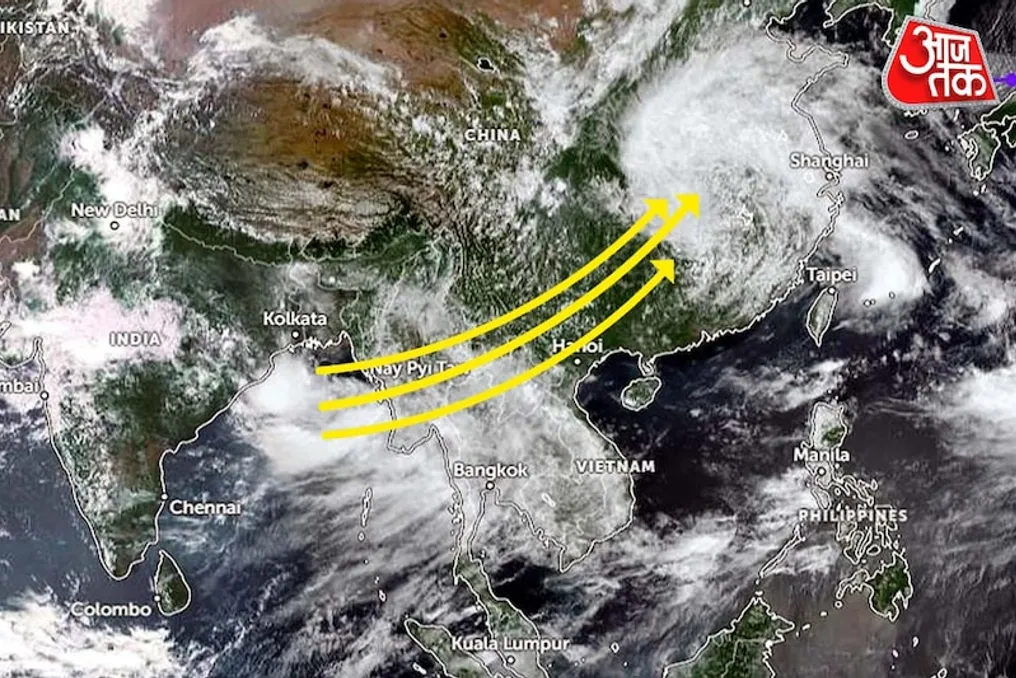
However, the typhoon's influence was not limited to China. Approximately 4,000 kilometers away, its impact is being observed on the Indian monsoon. According to meteorologists, the typhoon is drawing out atmospheric moisture, which weakens the process of monsoon system formation in the Bay of Bengal.
Such large atmospheric systems have the ability to draw heat and moisture from the atmosphere, functioning like atmospheric sponges. Typhoon Dolphin is active in the western part of the Pacific Ocean and directs its moisture towards the center. Consequently, the amount of available moisture in the Bay of Bengal decreases, which is critical for the formation of low pressure and depressions.
It is these low-pressure systems that are the main source of monsoon precipitation in the central, eastern, and northern regions of India. Meteorologists' warnings proved correct: Typhoon Dolphin has suppressed several potential systems and continues to absorb moisture, leading to a decrease in cloud cover over the Bay of Bengal and a reduction in the number of forming rain systems.
Despite this, there are no concerns about a complete absence of precipitation. Local low-pressure systems may still form in the Bay of Bengal. These systems are likely to bring rain primarily to the eastern and northeastern parts of India. The monsoon may remain active in these areas for the rest of August.
In some parts of western and central India, rainfall may decrease, but the situation in the northeastern states and near the eastern coast is expected to be more favorable. The meteorological service is closely monitoring the development of these local systems.
This incident demonstrates how a storm in one region can affect the weather in distant places. Although activity in the Pacific Ocean sometimes contributes to the formation of systems in the Bay of Bengal, under current conditions, it leads to the withdrawal of moisture. Large patterns such as El Niño can also contribute to this process.
The Indian monsoon is a complex mechanism involving sea temperature, air currents, and pressure patterns. Typhoon Dolphin is just one of the causes; the monsoon has not completely stopped, but has temporarily weakened.