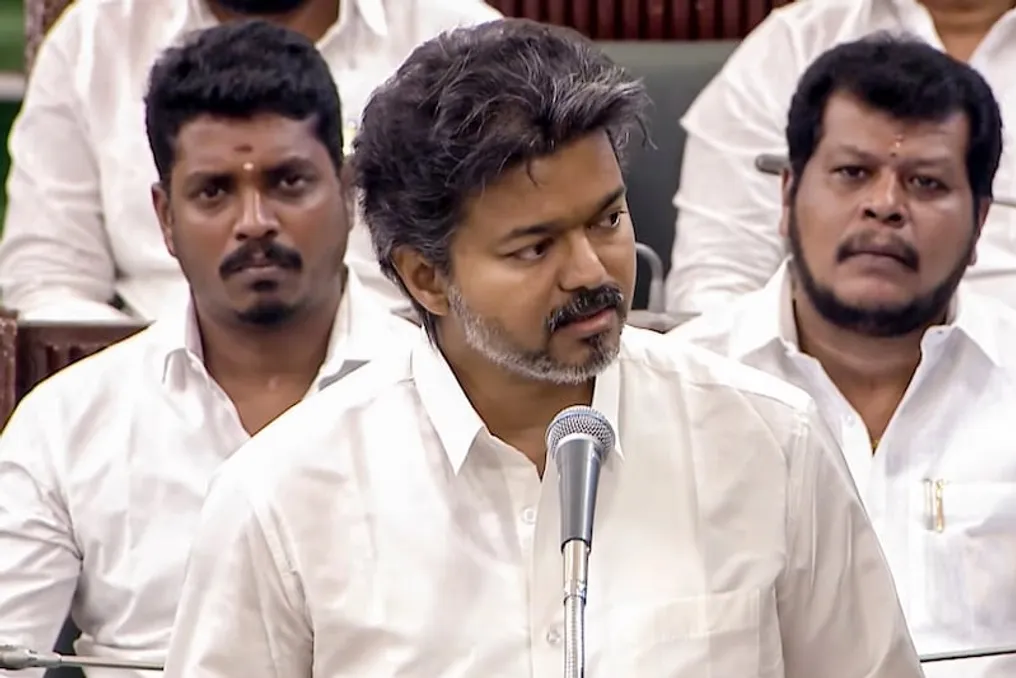
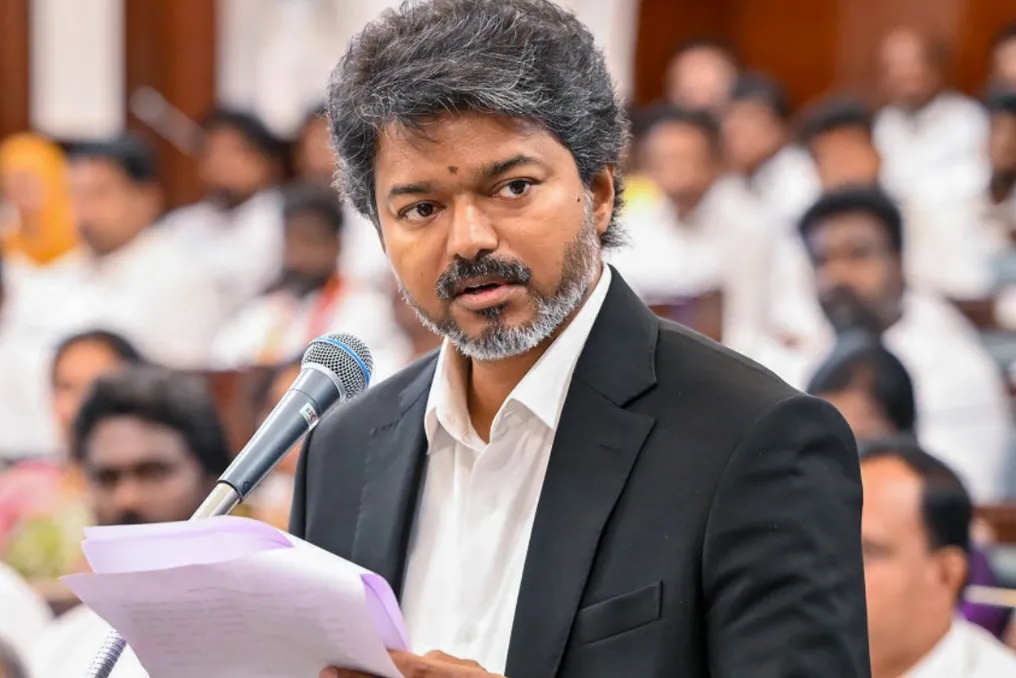
The Chief Minister of Tamil Nadu, C. Joseph Vijay, addressed Prime Minister Narendra Modi, expressing disagreement with Karnataka's plans to build the Mekedatu dam on the Kaveri River. He also challenged the Central assertion that the Supreme Court's 2018 ruling does not require the explicit consent of downstream states.
Central Position and Vijay's Reaction
Vijay's letter followed a day after the Minister of State for Water Resources, Raj Bhushan Choudhary, stated in the Rajya Sabha that the verdict of February 16, 2018, did not contain provisions obligating Karnataka to obtain approval from Tamil Nadu, Kerala, or Puducherry before constructing the structure on the Kaveri. This response was given in reply to a question by PMK MP Anbumani Ramadoss.
In his letter, Vijay noted that 'this disappointing statement by the respected Minister of State for Water Resources was made without considering the prevailing legal position and established law regarding the consent of downstream states.' The Chief Minister referred to the Supreme Court's judgment on the Alamatti dam dispute between Karnataka and Andhra Pradesh to substantiate the necessity of downstream state consent for projects capable of affecting river flow.
Arguments for Consent
Citing this ruling, Vijay stated that 'Karnataka cannot receive permission to construct at such a height without the consent of all other riparian states, as well as the approval of the central government.' Furthermore, he referenced Article XVIII of the final decision of the Kaveri Water Disputes Tribunal, which preserves the right of the state to regulate water use within its territory, provided such actions do not contradict the tribunal's order.
Vijay argued that any project that could affect the established flow regime, regulated under this decision, must be checked for compliance with this regime. The Centre, in its Rajya Sabha response, relied on the same article, asserting that the 2018 judicial decision did not require Karnataka to seek consent from other Kaveri basin states. It was stated that states retain the right to use water within their boundaries as long as their actions do not contravene the tribunal's directives.
Additional Provisions and Concerns
Nevertheless, Tamil Nadu insisted that this issue cannot be resolved merely by searching for an explicit consent clause in the 2018 verdict. In his letter, Vijay pointed to the tribunal's directives concerning the Pambur hydroelectric project in Kerala, which stipulated a consumption of only 0.1 cusecs. The Tribunal mandated that Kerala and Tamil Nadu jointly coordinate the water release schedule to prevent negative impacts on downstream irrigation.
According to Vijay, this directive demonstrates that the tribunal valued not only annual water allocation volumes but also coordinated releases affecting downstream states. He also cited Article XI of the decision, which prohibits the upstream riparian state from taking actions that affect planned supplies to downstream states, except through mutual agreement and consultation with the regulatory body. Article XX, he said, recognizes that changes to the decision can only be made by agreement between the state parties.