The interaction between humans and cats may be undergoing an evolution that transcends the process of domestication that occurred millennia ago. Research referenced by biologist Grace Carroll indicates that proximity to people can promote changes in the behavior of these animals.
Although cats have coexisted with humans for thousands of years, studies on foxes in London and deer in Phoenix Park, Dublin, demonstrate that individuals more inclined to accept or seek human contact gain benefits in the urban environment. This raises an analogous question for felines.
One theory suggests that cats may be evolving in response to living alongside humans. However, another perspective suggests that the greater change lies within society itself, which has begun to consider cats as family members.
The notion that domestication ends when an animal starts living with humans is questioned by research on species that continue to adapt to human environments.
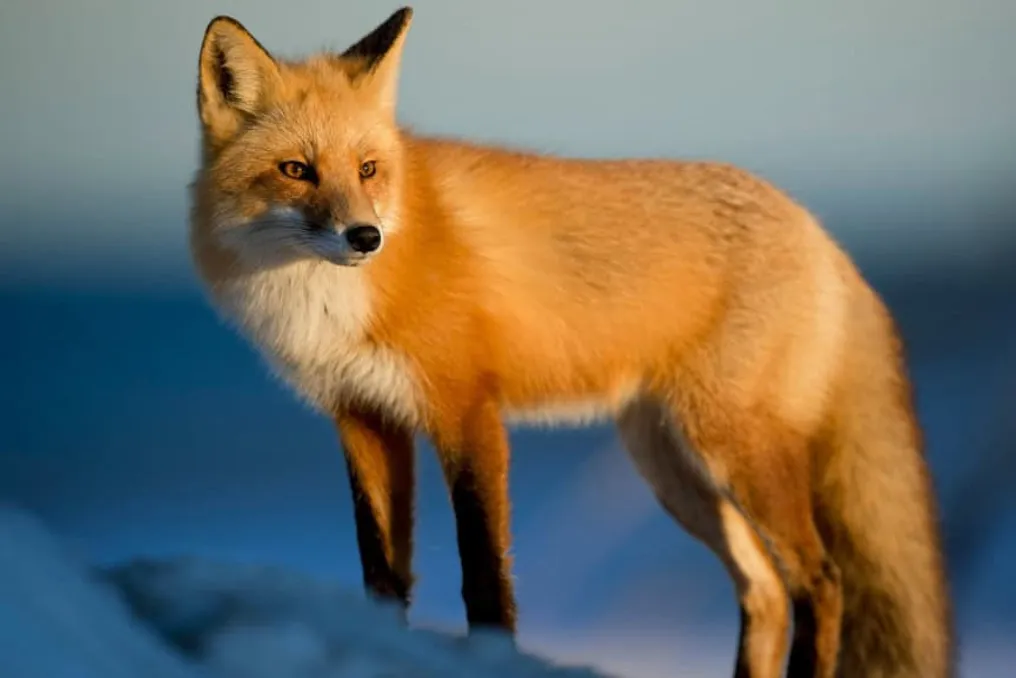
One case analyzed involved red foxes studied in both London and adjacent rural areas. A study conducted by Kevin Parsons of the University of Glasgow compared skulls from animals in both contexts. Published in 2020, this study revealed consistent distinctions between the groups.
The foxes living in the city had proportionally shorter and wider snouts, as well as smaller cranial cavities. Such traits are linked to modifications observed in domestication processes. Researchers interpret that the urban environment may favor animals less fearful of people and better able to take advantage of food and shelter resources available in cities.
Another example was observed in Phoenix Park, Dublin. In 2022, Laura Griffin, Simone Ciuti, and other researchers from University College Dublin monitored the behavior of deer near the urban area. The study found that some animals avoided human approach, while others actively sought people in exchange for food.
About a quarter of the population examined displayed behavior that researchers classified as consistent in seeking food from humans. The willingness to interact with people also seemed to be linked to reproductive success, as bolder females produced offspring with greater weight, suggesting an advantage for those who exploit resources linked to human presence.
These findings reinforce the possibility that coexistence with human societies continues to exert pressure on the characteristics and behavior of wild or partially domesticated animals.
Regarding cats, the situation is more intricate. Unlike dogs, which were selected to perform various functions alongside humans, felines had a domestication trajectory less dependent on artificial selection for specific tasks.
Cats may have approached early agricultural communities attracted by the high concentration of rodents caused by food storage. Staying close to people in this scenario would provide direct advantages to the animals themselves.
Behavioral flexibility is cited as a characteristic that helped cats adapt to various conditions. In scenarios of resource scarcity, they tend to maintain a more isolated life and defend their territories. In areas with abundant food, however, they can tolerate the presence of other cats and form relatively stable social groups.
Research also suggests that mutual tolerance among felines may have preceded the ability to live in closer proximity with humans.
Genetics is not the only factor at play; early life experience also influences. Kittens that establish positive and frequent contact with people between two and seven weeks of age have a higher chance of becoming friendly and confident adults. This signals that the ability to form close bonds with humans may have been part of the feline repertoire for a long time, without requiring a radical transformation of the species.
The most notable change may lie in how people have come to view their pets. In recent decades, demographic changes have restructured many families. The birth rate decreased from almost five children per woman in 1950 to just over two currently, and fatherhood tends to be postponed, causing more individuals to live alone or without children for longer periods.
In this context, companion animals may assume affective roles that were previously reserved for intimate family bonds. A survey conducted in Finland in 2023, involving 857 pet owners, revealed differences in how people with and without children spoke about their companions. Those without children showed a greater inclination to identify as the 'mother' or 'father' of the animals, in addition to describing them as children or family members.
The same study indicated a stronger emotional connection between childless participants and their animals. The study's author suggests that this type of bond may become more common if the postponement of parenthood and the absence of children persist in society.
This shift in relationship is also manifested in the appreciation of certain cat characteristics, such as the increased popularity of breeds like the Ragdoll, associated with affectionate and docile temperament. The consequence is a profound change in the place felines occupy in homes. From being valued primarily for their ability to control rodents, they have come to integrate into a care structure much more similar to that intended for family members.
Currently, according to the analyzed material, cats may have access to health insurance, behavioral specialists, and diets developed specifically for their needs. This does not exclude the possibility of the species continuing to change over generations, as prolonged coexistence with humans can still influence their behaviors. However, the crucial point is that the most evident transformation may be in what people expect, feel, and do for their cats.
Thus, domestication can be seen not only as a story of animals adapting to humans but also as a metamorphosis in society itself, which has attributed a progressively greater affective space to cats.