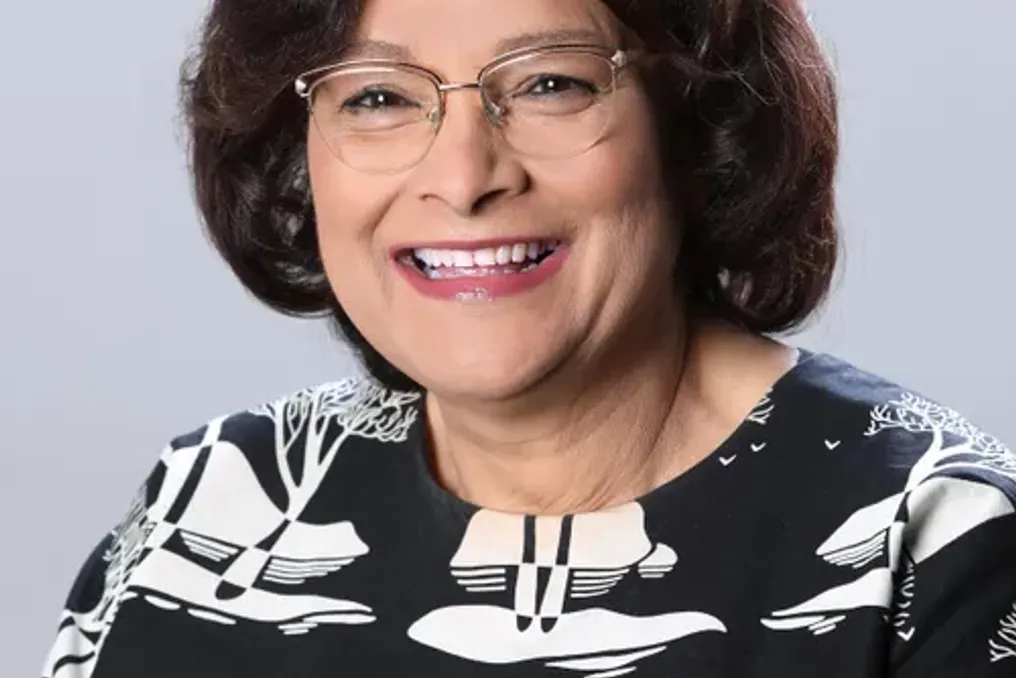
Dr. Leslie Ann Foster, a tireless advocate for women's rights, spent decades promoting the dignity, safety, and rights of women and girls long before South Africa declared Gender-Based Violence and Femicide (GBVF) a national issue.
As the founder of the international organization Masimanyane Women's Rights International, Foster worked to end violence against women, strengthen access to justice, and promote gender equality. She participated in women's rights programs in more than five countries and contributed to regional and international initiatives related to the Convention on the Elimination of All Forms of Discrimination Against Women (CEDAW), combating human trafficking, and responding to survivor-centered gender-based violence.
Foster also held influential leadership positions in African and international women's rights platforms, helping to shape policy and strengthen feminist movements outside of South Africa.
Foster explained that her commitment to this work was deeply personal: 'I saw so much abuse of women in my family and in the community where I lived. I had my own experience of violence as a child, and several of my childhood friends also suffered from sexual assault and even incest. That is why I dedicated my life to working with women and girls.'
The roots of her activism were laid much earlier. Born in East London, Foster notes that her mother, a teacher who became a nurse, instilled in her a strong sense of justice. Her mother fought discrimination, first advocating for equality in education, and later battling the exclusion of Black nurses from leadership positions.
Despite this early influence, Foster did not initially plan to become a women's rights advocate. A turning point came with her father's cancer diagnosis, which prompted her to return home. Although she was offered a transfer at work, she began to question whether she should remain in the corporate world. She described this period as one of 'deep internal struggle' before joining the Daily Bread Children's Trust, where she worked with street children.
While helping reunite children with their families, she discovered a painful reality: 'The mothers were survivors of violence. That is when I realized that working with women and empowering them is critical for children's well-being.'
This realization became the foundation of a career dedicated to advancing women's rights and supporting victims of violence.
Although her work spanned 52 countries, Foster remained based in East London for most of her career, gaining international recognition while remaining devoted to the communities where her work began. One of her most significant achievements, which she values, is assisting in the creation of South Africa's first civil society report for the CEDAW Committee, providing an independent assessment of the country's handling of women's issues.
Years later, this work contributed to the launch of a confidential international investigation into intimate partner violence in South Africa. Foster noted: 'In May 2023, they presented their findings to the South African government with a number of clear recommendations for strengthening state responses to GBVF. This is the powerful work we have done, and I am proud of this rights protection initiative.'
Nevertheless, Foster believes that the fight for gender equality remains a complex journey. She mentioned that some men in high political office do not take their work seriously, and they often face disrespect in the form of jokes or outright sexual innuendo aimed at belittling the issue being discussed.
She emphasized that changing political leadership often requires rebuilding relationships and political support from scratch, as 'one must constantly work to build political and social capital.'
Working with survivors also taught Foster that those who support victims need support themselves. Masimanyane implemented a comprehensive staff wellness program that includes psychologists, debriefing sessions, mindfulness training, and retreats to help staff overcome the emotional toll of supporting survivors.
South Africa has strengthened its response to GBVF through initiatives such as the National GBVF Strategic Plan and the establishment of the National GBVF Council. While Foster welcomes these changes, she believes they have not yet led to a significant reduction in the violence that women desperately need relief from.
She stated: 'We are trying our best, but we are not winning because one of the main driving forces remains strong patriarchal institutions that impede the redistribution of power between women and men.'
Foster believes that men play a crucial role in ending violence against women. She called on 'good men in the country to speak up for women and hold violent men accountable. Good men need to create healthy male role models that young boys can learn from and emulate.'
For her, long-term change is achieved through systemic transformation, not just reacting after violence occurs. She noted that 'all the significant changes that have happened in the country have largely been driven by women's activism,' pointing to campaigns that strengthened laws, policies, and programs related to GBVF.
Ahead of Women's Month in South Africa, Foster believes it is a time to honor the women who dedicate themselves to their families, communities, and country, while also reflecting on both the progress made and the work ahead. She also hopes that more attention will be paid to the countless women whose work is done away from public view.
She said: 'In many parts of South Africa, women work every day to solve complex social problems that often go unnoticed. Whether it is gender-based violence, gambling harm, alcohol harm, or other public health issues, rights protection requires resilience, compassion, and a commitment to improving the lives of others. It is important work because the challenges we face as a country demand it.'
Now around 60 years old, Foster sees her greatest hope in the new generation of women. She is inspired by young women who write more openly, use social media positively, enter professions previously dominated by men, and seize opportunities that were far less accessible to previous generations. She concluded: 'I find hope in women, especially young women. They take on challenges and respond to them differently.'
After a life dedicated to confronting South Africa's most complex social issues, Foster is convinced that change is possible. She wishes every woman and girl to possess their strength, be aware of their wisdom and courage, and be able to live a full life with joy, abundance, and ease of being.