
An event was held in the capital as part of the Republican stage of the 'Yashil Innovations' competition, dedicated to youth environmental projects. This event was organized by the Youth Affairs Agency.
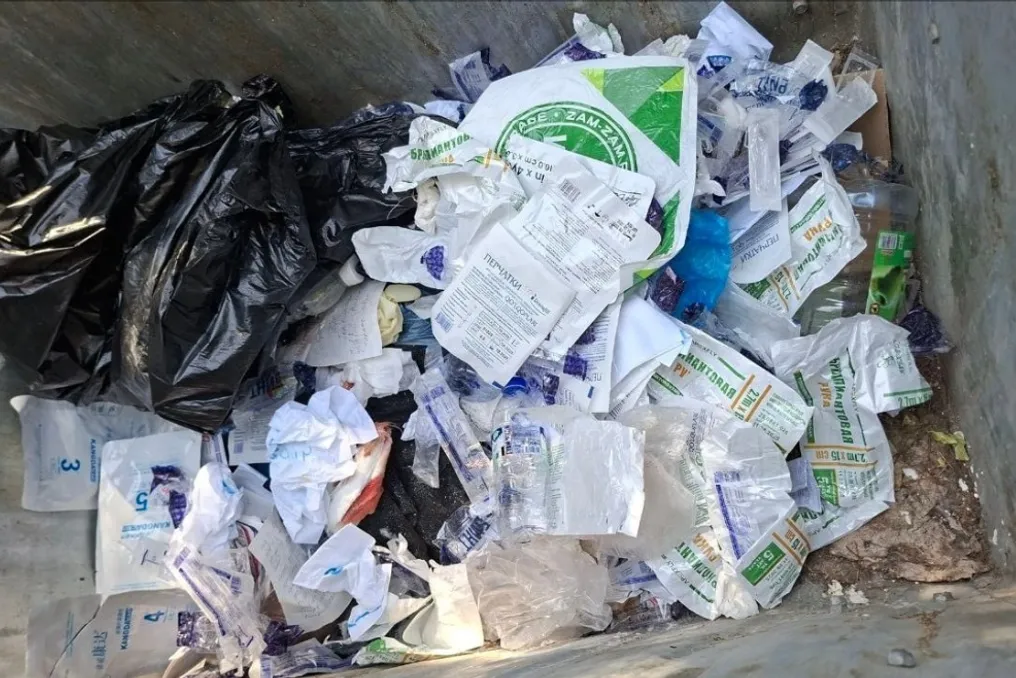
Inspections conducted by the Special Commission revealed that in several medical institutions in the capital of Uzbekistan, hazardous medical waste is being mixed with regular household garbage. This waste is then transported to landfills or discarded in unauthorized locations. Furthermore, equipment designed for processing such waste is only used at one-quarter of its capacity.
The problem is particularly acute due to the nature of this waste. According to data from the World Health Organization, approximately 15 percent of medical waste is classified as hazardous. Improper handling increases the risk of spreading infectious diseases, poisoning, and environmental contamination.
An investment program worth $115 million was implemented to ensure the safe disposal of medical waste, under which the American company Sayar built the Sayar green facility in the capital. Two processing plants operate in Tashkent with a total capacity of 12 tons per day; however, the actual daily volume sent for processing is about 3 tons, corresponding to only 25 percent equipment utilization. This is because clinics transfer only a small fraction of the generated waste.
In the first six months of 2026, 3,239.05 cubic meters of medical waste were removed from the capital. The largest volume came from Clinical Hospital No. 16, from which 1,795.40 cubic meters were removed. Significant volumes were also registered at Clinical Infectious Hospital No. 3 (445.44 cubic meters) and the Institute of Virology Clinic (382 cubic meters).
Inspectors also recorded violations in the operation of several institutions, including the Republican Children's Center for Phthisiology and Rehabilitation of Musculoskeletal Disorders, the Tashkent City Branch of the Center for Dermatology, Venereology, and Cosmetology, City Clinical Infectious Hospital No. 1, the Scientific and Practical Medical Center for Phthisiology and Pulmonology, and the Hospital for Skin and Venereal Diseases. Appropriate measures are being taken against the responsible parties for each violation found. Similar inspections are also being conducted in other regions of the country.
A similar violation was previously recorded in the Surkhandarya region: a muffle furnace without filters to capture harmful emissions was used for burning medical waste.
An event was held in the capital as part of the Republican stage of the 'Yashil Innovations' competition, dedicated to youth environmental projects. This event was organized by the Youth Affairs Agency.
The Center informed the Lok Sabha that climate change is causing extreme precipitation events in the Himalayan region to become more frequent and intense. Furthermore, human activity increases the likelihood of natural disasters in this area.
According to a PTI agency report, it was stated during the Lok Sabha session on Tuesday that it is climate change that makes extreme rainfall in the Himalayan region more frequent and severe, while human activity raises the risk of catastrophes.
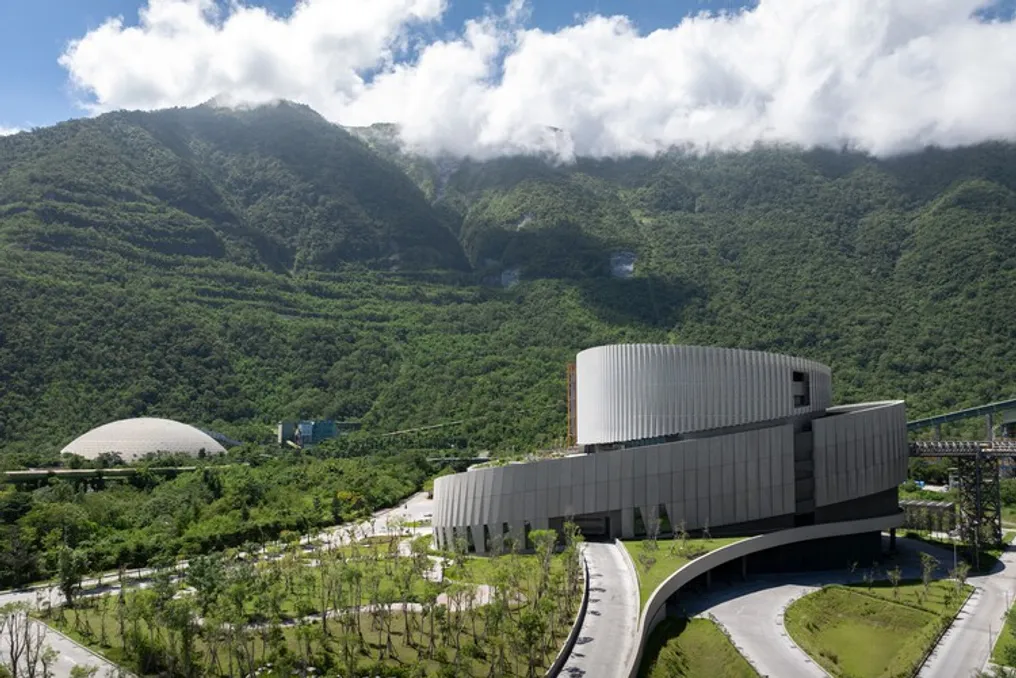
The Renewable Resource Recycling Center Project TCC DAKA / KPF proposes a radical redefinition of the role of industrial architecture in society. By integrating a high-efficiency waste recovery unit within a sensitively designed cultural and natural center, the project illustrates how industry can be simultaneously aesthetic, transparent, and truly beneficial.
This concept directly addresses local waste disposal challenges while also serving as an educational tool to raise public awareness about future sustainability practices.
Information about the project was provided by the development team. The Renewable Resource Recycling Center TCC DAKA / KPF was presented on August 11, 2026, as recorded on ArchDaily in Portuguese.