In South Africa, challenging road conditions are created by snow, rain, and black ice. The company MasterDrive has provided drivers with a number of important safety tips.
In South Africa, challenging road conditions are created by snow, rain, and black ice. The company MasterDrive has provided drivers with a number of important safety tips.
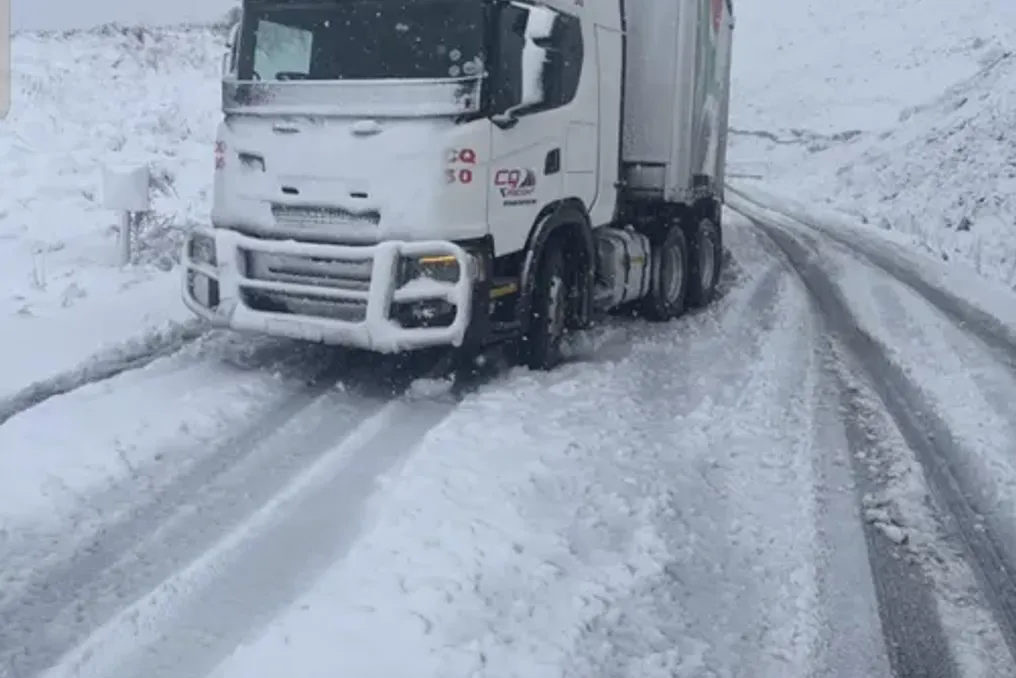
Due to the forecast of snowfall in some parts of South Africa on Tuesday, drivers are strongly advised to exercise caution, as some areas may face heavy snowfall while others will experience rain. There is uncertainty as to whether the conditions will turn into snow, wet snow, or freezing rain, but wet and icy roads pose a serious danger to drivers.
Eugene Herbert, CEO of MasterDrive, noted that snow and ice are relatively rare in South Africa, so many drivers have little experience driving in such conditions. Herbert added that heavy rain can also catch many drivers off guard, especially in mountainous regions where winter precipitation is infrequent.
He emphasized that the principles of defensive driving remain relevant under any change in weather conditions.
Drivers should reduce speed, accelerate and brake smoothly, avoiding sudden movements that could lead to loss of vehicle traction. It is necessary to ensure that tires are properly inflated and antifreeze is topped up to the correct level. It is also recommended to carefully check the brakes to assess the degree of road slipperiness. In snowy or icy conditions, cruise control and sport mode should be avoided.
When driving in snow, the distance should be increased to three times the usual distance, and on icy roads, the distance between vehicles should be kept between eight and ten seconds. Headlights should be switched to low beam, and fog lights should be avoided as they can impede visibility for oncoming traffic. If the wheels start spinning, drivers should ease off the accelerator and avoid sudden braking. The steering wheel must be turned in the direction of the spin until control is regained, and then the vehicle should be straightened out smoothly.
Many precautions apply when driving in rainy weather. Drivers should slow down, increase distance, and check that the tires have sufficient tread and pressure. Worn or underinflated tires are more susceptible to aquaplaning. If the vehicle begins to aquaplane, drivers should ease off the gas, keep the steering wheel straight, and avoid sudden braking until the tires regain traction. Headlights should be turned on even during the day to improve visibility for other road users. Whenever possible, standing water should be avoided because its depth is difficult to estimate, and dangers may be hidden beneath the surface. Before starting a trip, it is also necessary to check the wipers and heaters.
Wet snow and rain can freeze upon contact with the road, forming black ice—a thin, transparent layer that can be difficult to notice. Black ice most often forms on bridges and shaded parts of the road and can look like a glossy, slightly wet patch. Drivers should exercise extra vigilance in these areas. If black ice is suspected, drivers should keep the steering wheel straight, avoid braking, ease off the gas, and allow the vehicle to slow down naturally. When approaching corners, the steering wheel should be turned gently to avoid excessive drift and loss of control. Drivers are urged to observe these precautions whenever there is a possibility of rain, ice, or snow, regardless of previous driving conditions or forecasts.
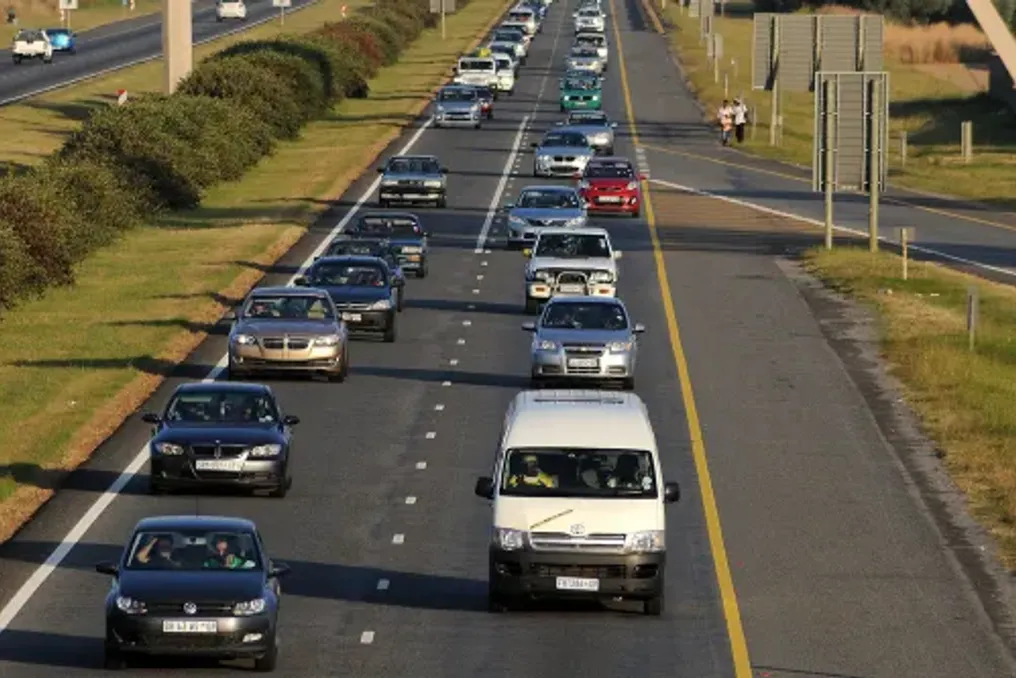
With the approaching long weekend for Women's Day, drivers using the N3 toll road are advised to prepare for a significant increase in traffic and harsh weather conditions, including snow and cold fronts, which could make journeys dangerous.
Drivers traveling on the N3 toll road during the long weekend for Women's Day have been warned to prepare for heavy traffic, ongoing roadworks, and deteriorating weather conditions. The South African Weather Service (SAWS) predicts snowfall in parts of KwaZulu-Natal, Free State, and Mpumalanga starting Sunday.
Traffic volumes on one of South Africa's busiest corridors for freight and tourist transport are expected to increase from Friday noon as holidaymakers head to KwaZulu-Natal, Gauteng, Mpumalanga, and Free State. The busiest return period is anticipated on Tuesday afternoon.
The 415 km N3 toll road connects Heidelberg in Gauteng with Cedara in KwaZulu-Natal and serves significant volumes of passenger and freight traffic year-round.
Drivers should also expect delays at several construction sites between Heidelberg and Villiers, Warden and Harrismith, and Estcourt and Nottingham Road. Although lane restrictions will be in effect throughout the weekend, at least one lane will remain open in each direction at all times, and closures are planned to minimize peak hour delays.
The Chief Operating Officer of N3 Toll Concession (N3TC), Tania Dhoogra, urged drivers to prepare in advance for increased traffic and changing driving conditions. She advised: 'Road users should plan ahead, be prepared, stay informed, and adapt their driving style to prevailing conditions.'
This warning comes against the backdrop of SAWS forecasts that a cold front accompanied by an upper trough will reach the coasts of the Western and Northern Cape on Sunday before moving east. Snow is expected in the mountainous regions of KwaZulu-Natal, Free State, and Mpumalanga by Monday, while widespread rain, strong winds, and icy conditions may pose a threat to travel.
SAWS has warned that the weather system could trigger localized flooding on low-lying roads and bridges, falling trees, power outages, and hazardous driving conditions. Very low temperatures are also expected in the affected regions, and snow on mountain passes could lead to road closures and transport disruptions.
Although clear weather and mild conditions are forecast at the start of the long weekend, Dhoogra noted that weather along the route can change rapidly. Drivers passing through higher sections of the N3 should remain vigilant regarding sudden drops in temperature, black ice, dense fog, rain, and possible snowfall.
Strong August winds and grassland fires can also reduce visibility and cause dangerous crosswinds, especially for trucks, buses, and vehicles towing caravans or trailers. N3TC reported that its route operations teams and partners in the Road Incident Management System (RIMS) will be deployed at strategic points across the entire 415 km toll road between Heidelberg in Gauteng and Cedara in KwaZulu-Natal throughout the weekend to assist drivers if needed.
Dhoogra concluded: 'Every journey is an opportunity to protect the most important people. Travel safely, show consideration for others, and help every kilometer contribute to a safe arrival.'
Travelers are advised to monitor the latest SAWS forecasts and verified N3 traffic updates before setting off, especially if traveling through mountain passes where snowy and icy conditions may develop. Verified traffic updates are available via @N3Route on X, and drivers needing emergency assistance can call the N3 hotline at 0800 63 43 57.