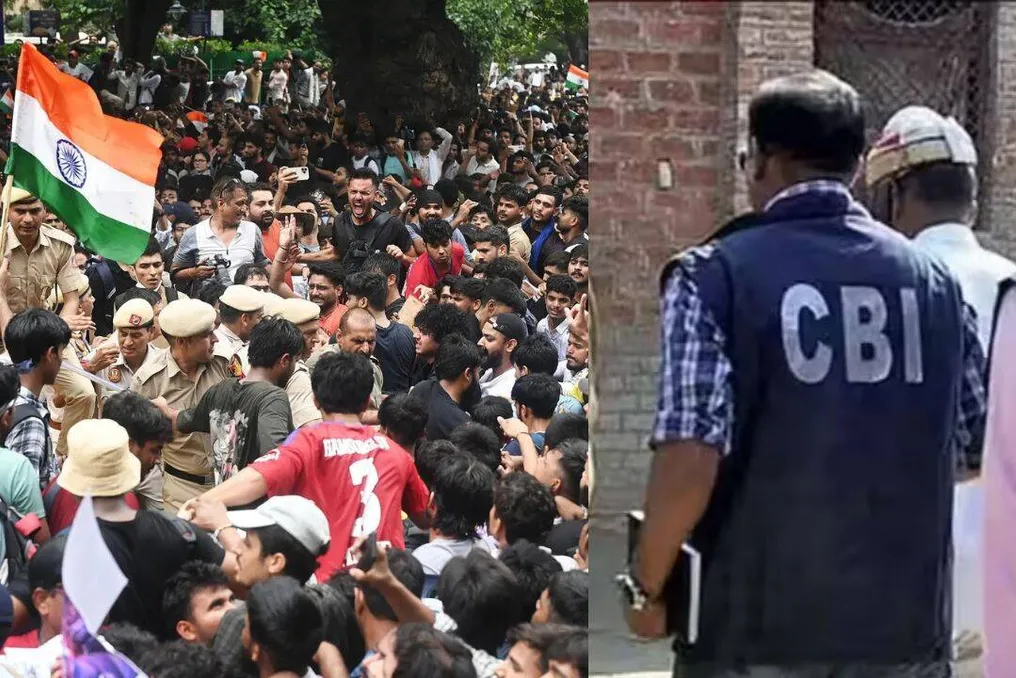
Demands to abolish the NEET exam have been reinforced in the Tamil Nadu Legislative Assembly. The state government insists that admission to medical seats should be determined based on the marks of the 12th-grade certificate. Furthermore, the government reiterated its position on the necessity of abolishing NEET and returning education from the concurrent list to the states' competence list.
The State Minister for Health and Social Welfare, K.G. Arundraj, supported this official stance. He stated that the system based on 12th-grade scores should be used for admission to medical institutions, and the NEET exam itself must be abolished. The Tamil Nadu government's position on this issue goes beyond just university admissions, affecting the rights of the states and the structure of the education system.
The Tamil Nadu government argues that NEET harms students from rural areas, low-income groups, government schools, and those who study in local languages. The state believes that this exam favors students who can afford expensive private coaching classes. The government also points out that centralized national exams conducted on a single day can be susceptible to weaknesses in the system, leading to instances of examination material leaks and the cancellation of the NEET-UG exam on May 3rd.
Another important argument from the state government is that education and healthcare have historically been subjects of state jurisdiction. Consequently, the centralized system weakens state autonomy. Tamil Nadu asserts that it previously implemented a system for admitting students to medical institutions based on standardized 12th-grade certificate scores, which it considered transparent, accessible, and fair for local students.
To find an alternative to NEET, the Tamil Nadu Legislative Assembly unanimously passed the 'Tamil Nadu Admission to Medical Institutions for Undergraduate' bill. However, this bill did not receive Presidential approval. Following this, the state government challenged this decision in the Supreme Court. Simultaneously, there was a demand to return education to the list of state competencies. Currently, education is on the concurrent list, allowing both the center and the states to enact laws, but in case of conflict, the federal law takes precedence.
Arguments supporting NEET include that a unified national exam ensures a uniform educational standard for admission to medical institutions. It is also argued that this helps control entrance exams in various private medical colleges and donation-funded seats, while relieving students of the burden of taking multiple exams. Currently, Tamil Nadu's position is clear: admission to medical institutions must be based on 12th-grade scores, NEET must be abolished, and the powers of the states in education must be strengthened.