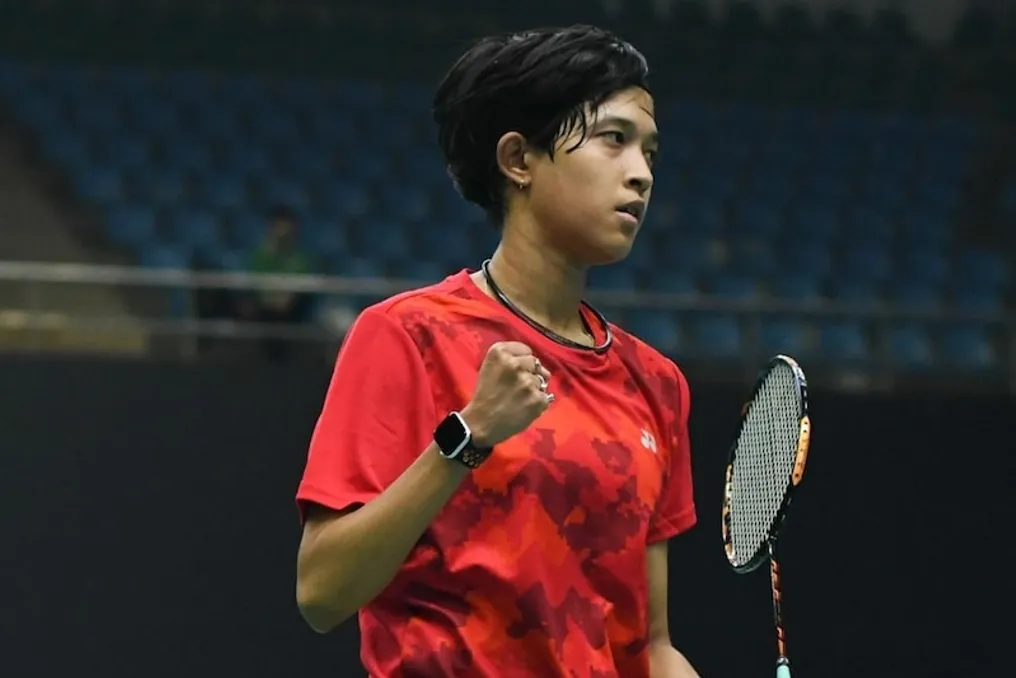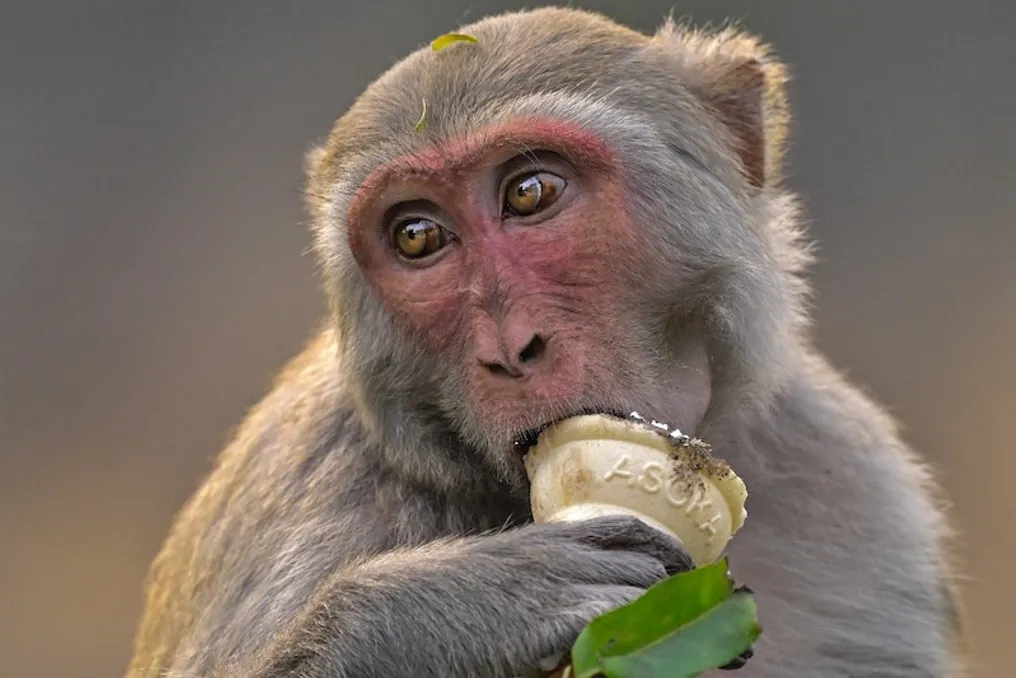
As part of the Badminton World Cup, which will be held at the Indira Gandhi Indoor Stadium, organizers have adopted an unconventional measure to prevent monkeys from appearing on the stadium grounds. They hired three professional mimickers who will accurately reproduce the sounds of langurs to frighten away local rhesus macaques and keep them away from the sports venue.
The Delhi area is known for a significant presence of rhesus macaques, and the area around the Indira Gandhi Indoor Stadium is no exception. This measure was taken following an incident at the 'India Open' tournament earlier this year in January, when monkeys infiltrated among the spectators and caused disruptions during matches. Photos and videos of these animals roaming the stands quickly went viral on social media and attracted international attention.
Organizers aim to avoid a recurrence of such situations, especially considering that India is hosting the Badminton World Cup after approximately 17 years. The Badminton Association of India (BAI), in collaboration with the Sports Authority of India (SAI), has conducted extensive preparations at the Indira Gandhi Indoor Stadium to preclude any disorder during the event.
According to media reports, the three hired specialists have been tasked with scaring away monkeys by imitating langur sounds. These individuals will reproduce the roars, guttural sounds, and other noises of langurs. The reason for this is based on the belief that rhesus macaques avoid langurs. Since langurs are significantly larger than rhesus macaques, their sounds may be perceived by the monkeys as a threat, causing them to flee.
This approach is chosen based on this behavior. It is worth noting that using actual langurs for this purpose is impossible, as India banned the use of real langurs to deter monkeys starting in 2012. Therefore, hiring professional mimickers became a practical solution for the organizers.
Renowned Indian badminton player P. V. Sindhu, a two-time Olympic medalist, reacted to this unusual organizational measure. Sindhu admitted that this method might seem amusing to many people, but she also highly praised the initiative. She noted that while the decision might provoke laughter, the efforts behind it deserve commendation.
According to Sindhu, many people work behind the scenes to prepare India for hosting the world cup. She called the decision 'uniquely Indian,' emphasizing that although the methods may differ, India's warmth, spirit, and hospitality are equally special.
The need to employ mimickers to combat monkeys in Delhi is not a new phenomenon. This year, the Delhi Assembly also issued a tender to hire mimickers to prevent monkeys from entering the area. This indicates the seriousness of the monkey problem in the capital, forcing both governmental and major events to adopt such unconventional measures.
One of the 'monkey whisperers' hired for the World Cup, Jafar, stated that imitating langur sounds indeed causes many monkeys to leave the area. He shared that his work has continued for generations, and he has dedicated his life to it. He mentioned that he probably has no place where he hasn't performed his duties, including areas from North Block to Gurugram, Chandigarh, and Mathura. Now, this experience will be applied at the Indira Gandhi Indoor Stadium during the Badminton World Cup.
The Badminton World Cup will take place in New Delhi from August 17 to 23. This prestigious tournament returns to India after approximately 17 years. Organizers are making every effort to ensure that no footage emerges during the tournament that could question India's level of preparation internationally. Therefore, attention is paid to every detail—from stadium infrastructure and security measures to preventing the appearance of monkeys. If you hear a langur sound during the tournament, do not be surprised; it will be part of India's own 'desi' strategy.