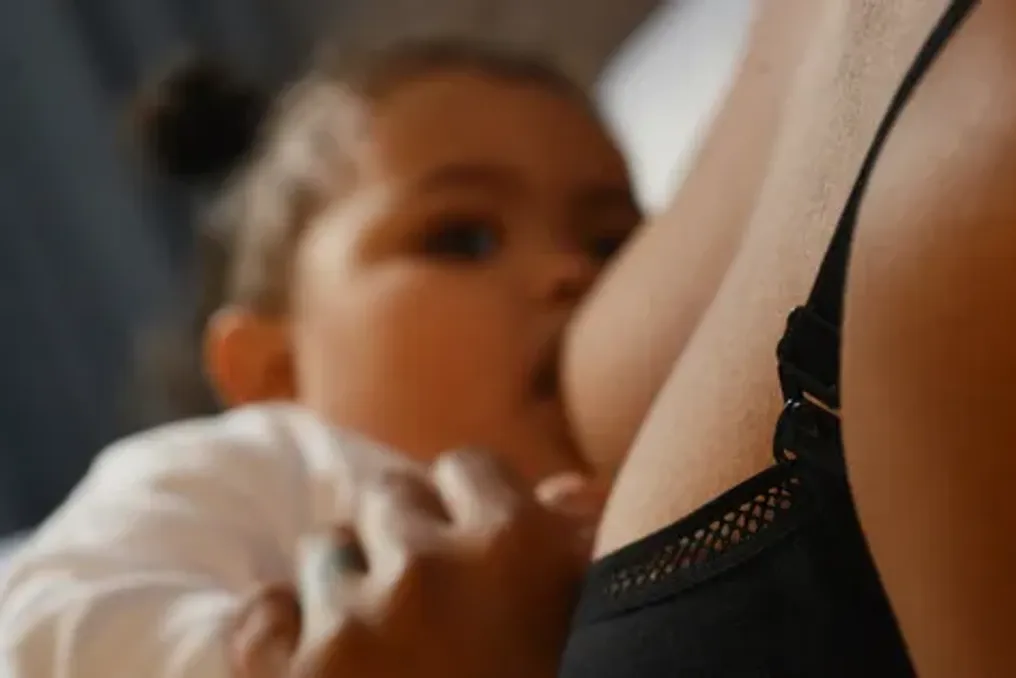
Medical services strongly urge mothers to commence exclusive breastfeeding for the first six months of a child's life to improve child survival rates and reduce malnutrition. Less than a quarter of infants in South Africa receive this nutrition during the first six months.
Popular
Health experts warn that the declining rate of breastfeeding in the country contributes to an increase in childhood malnutrition and preventable diseases. According to the National Food and Nutrition Survey, the exclusive breastfeeding rate in South Africa is 22.2%, while it is slightly higher in the Eastern Cape at around 25%. These figures are significantly below established global targets, as the country continues to grapple with high rates of child malnutrition and stunting.
In light of this situation, the Eastern Cape Department of Health visited the village of Nkondlo in the Ngcobo Municipality this week as part of Breastfeeding Week. There, department representatives urged mothers, families, and communities to support exclusive breastfeeding for the first six months of a child's life. Regional officials emphasized that this campaign aims to protect children from diseases that continue to claim young lives.
Officials reported that they approached the community to disseminate information about the importance of breastfeeding as a way to protect children from serious community-affecting illnesses, including diarrhea and other common childhood ailments. They noted that breast milk provides complete nutrition during the first six months of life.
The department also noted that it continues to record an alarming number of malnutrition cases among children aged zero to three years. Officials pointed to a slowing trend in breastfeeding, especially in communities where young mothers and HIV-positive mothers struggle with prolonged breastfeeding.
In response, the province is strengthening its Mother and Baby Friendly Initiative, supporting women throughout the period from pregnancy to childbirth, and establishing community support groups to boost breastfeeding rates. Department representatives stated that they aim to promote and support breastfeeding, considering it the gold standard, and wish to launch support groups for breastfeeding mothers who need assistance.
The National Department of Health has long identified exclusive breastfeeding as one of the most effective and accessible intervention methods for improving child survival, protecting infants from diarrheal diseases and respiratory infections, and reducing malnutrition. National guidelines recommend exclusive breastfeeding for the first six months of life, followed by continued feeding alongside complementary foods until two years of age or older.
Civil society organizations argue that the low breastfeeding rate in the country reflects a lack of support rather than a lack of desire among mothers. The maternal rights organization Embrace, as part of its Breastfeeding Week campaign, stated that breastfeeding should not be viewed solely as a mother's duty; it stressed that it is a collective responsibility.
This organization believes that for South Africa to reverse the declining trends, mothers require qualified medical support, paid maternity protection, family support, and workplaces that facilitate breastfeeding. The 'Grow Great' Foundation warned that improving breastfeeding is one of the most effective tools in combating child malnutrition. The organization stated that every child deserves the best start in life, and breastfeeding remains a powerful means of preventing stunting and improving long-term child health and development.
'Grow Great' has repeatedly called for increased investment in early childhood nutrition during the first thousand days of a child's life, calling this period critical for brain development and future health. The human rights organization Black Sash linked breastfeeding to broader issues of poverty and social protection, arguing that caregivers cannot be expected to make optimal nutritional decisions without adequate economic assistance. During a recent food security campaign, the organization stated: 'The right to food begins long before a child eats solid food,' calling for increased support for mothers and caregivers to combat hunger and malnutrition.
All agencies have called on governments to invest in sustainable breastfeeding support systems, warning that many mothers stop breastfeeding not by choice, but due to a lack of sufficient support from healthcare systems, communities, and employers.
Community members are also helping to reinforce this message. Nompendulo Peter, a traditional healer from the nearby village of Cvekweni, advised mothers, especially those newly diagnosed with HIV, to continue breastfeeding while receiving proper medical care. She shared that she refers her patients who test positive for HIV back to the clinic to encourage them to breastfeed their children and receive necessary support at the clinics.
Healthcare workers concluded that increasing breastfeeding rates will require collaboration between communities, healthcare professionals, traditional leaders, and families to ensure that mothers receive the necessary support during the critical first six months of their infants' lives.