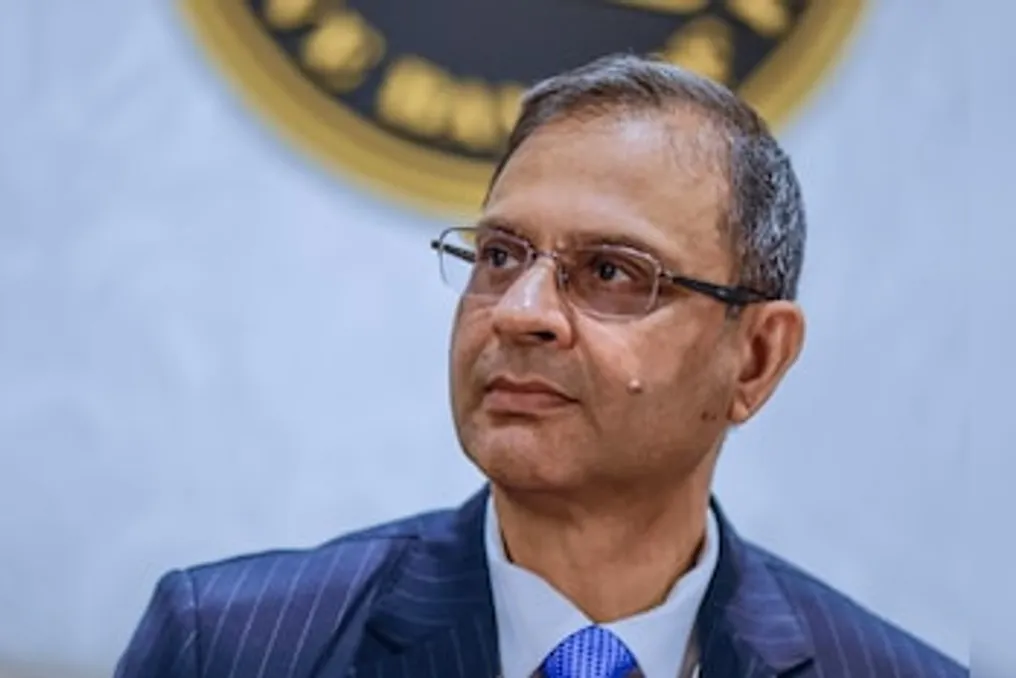
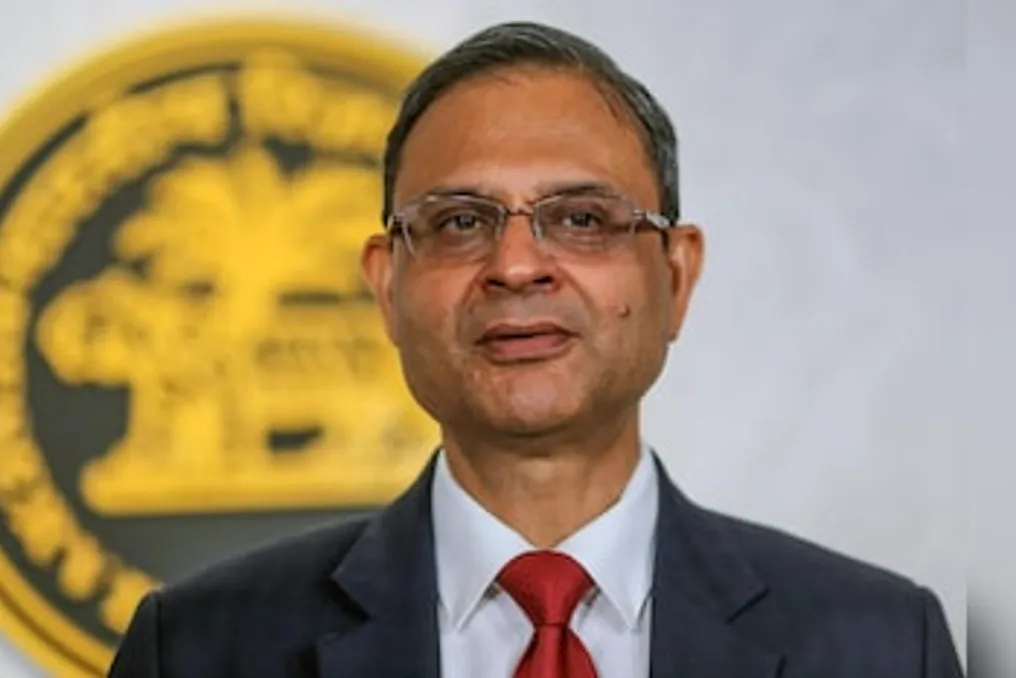
Reserve Bank of India (RBI) Governor Sanjay Malhotra emphasized that artificial intelligence (AI) is a key tool for combating AI-based fraud, as traditional rule-based systems cannot keep pace with rapidly adapting fraudsters. He stated this during the FIBAC 2026 conference on Tuesday.
Malhotra asserted that only AI and machine learning can detect anomalies in real-time by continuously learning transaction patterns, unlike systems that only react after losses occur. He noted that today's fraud occurs at the speed of an API call.
AI will transform the banking sector
The Governor also suggested that AI could become as significant for the current decade as liberalization was for the 1990s, and digitalization was for the 2010s. In his opening remarks at FIBAC, Malhotra explained that adopting AI will require financial institutions to revise their approaches to risk assessment, customer service, capital pricing, and operational organization.
He stressed that AI represents a shift in methods of risk assessment, customer service, and institutional organization, noting that many banks are already taking steps in this direction, while others are considering it.
RBI Regulatory Priorities
Malhotra reported that RBI's regulatory policy is guided by the principles of financial stability, customer centricity, ease of doing business, and reduction of intermediation costs. He specified that progress has been made in all three areas over the past year.
Regarding ease of doing business, the RBI has reduced the regulatory burden on boards of directors and adopted a more principle-based approach. It was decided to delegate operational details to management and standardize supervisory instructions, which has optimized business processes. Most applications from regulators and customers are now automated.
RBI has automated over 203 types of applications and ensured the timely delivery of 99.9 percent of services. Furthermore, norms for working capital have been rationalized, the pricing of large deposits has been revised, and some foreign exchange-related permissions have been transferred to authorized dealers.
AI and India's Digital Infrastructure
Malhotra noted that AI can enhance efficiency and reduce operating costs. He compared this to how coding became routine, giving way to the development of intelligence.
He stated that India is well-positioned to leverage AI due to its developed public digital infrastructure, including Aadhaar, UPI, and DigiLocker. According to him, the country possesses the most advanced public digital infrastructure, and work is currently underway to create an improved, unified credit aggregator system.
Malhotra added that the private sector can build upon these public goods using AI, which potentially could make financial judgment as instantaneous, granular, and accessible to the end consumer as UPI is for financial transactions.
Risks to Financial Inclusion
Although Malhotra believes AI can promote financial inclusion, its implementation also carries risks. If used carelessly, AI could reinforce new forms of exclusion and instability that regulators and banks will find difficult to manage.
The RBI established a committee on responsible AI use, which submitted a report last year and proposed a framework for the responsible and ethical application of AI. Malhotra explained that this committee clearly delineated various aspects.
Additionally, he noted that AI can change the lending economy by using alternative data to assess segments of society lacking traditional financial records. AI models based on alternative data can significantly expand the boundaries of 'creditworthy India.'
Malhotra also mentioned that AI can help reduce banks' operating costs, which currently account for 47–49 percent of revenue.