The author recalls his mother singing him a lullaby in Tamil: «Meow, meow, poona kutty. Meow, meow, little kitten». In her soft voice with a Chennai accent, it sounded more like a promise that instilled in the child the idea of a creature whose main duties are to eat, sleep, and be loved.
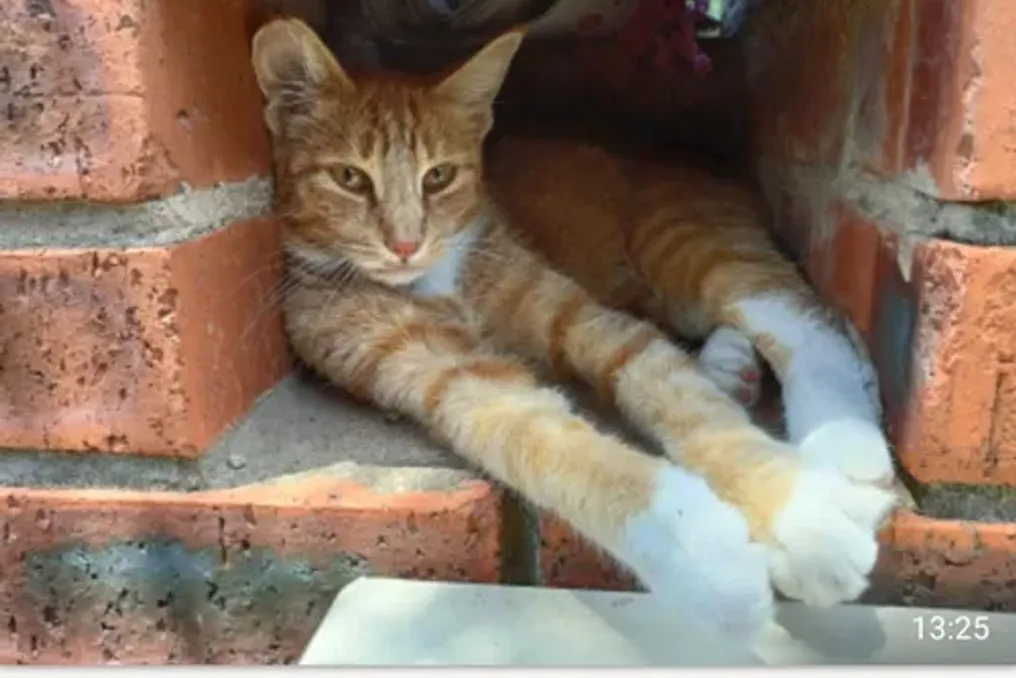
Recently, a cat entered the author's life, settling in the mailbox. This ginger cat stayed there for several days before entering the house and becoming part of the family. The author's son, being a big animal lover, found her owner on social media. The woman came, saw a new environment for her cat, and agreed to leave her, naming her Bella.
The family renamed the cat Postille, partly because of her initial stay in the mailbox, and also in honor of the author's legal work, where apostilles are used to legalize documents for international use. The author considers this a fitting name for a cat who established her place in the house without any official paperwork.
Postille is not the only feline acquaintance. A gray, shadowy cat named Shadow occasionally appears. These two maintain, to say the least, a diplomatic cold war, which mostly takes place through glances in the backyard.
The author also remembers the neighbor's white cat, which gave birth to four kittens of different colors: ash, black, white, and tabby. He concludes that, like cats, people differ in appearance, but their humanity remains the same, as everyone carries the same red blood and fragile bones. He finds the opinion of one group's superiority over another absurd, comparing it to claiming one kitten has a better pedigree than its siblings. This lesson, in the author's view, should be repeated in a country that is still dealing with the aftermath of apartheid, and it should be done by leaders.
Postille herself embodies contradictions. She grooms herself excessively, as if preparing for a royal inspection that is never scheduled. She moves purposefully, but sleeps as if it were a professional duty, seventeen hours a day. Sometimes she brings a dead gecko to the author's feet, which the author interprets as payment for monthly rent. She cries like a forgotten infant for food that is already abundant in the bowl. And sometimes she looks at the author with quiet confidence, as if he were, at best, a middle manager in her 'institution.'
Nevertheless, beyond the amusing moments, there are four lessons worth considering not for cats, but for those who govern a country.