In July, Venezuela registered 15 cases and 26 violations of freedom of expression during the state of emergency caused by the double earthquake, as well as under internet restrictions. Over 76% of these cases were linked to intimidation and censorship, with fourteen out of eighteen identified victims being journalists or reporters (77.78%), according to an EP statement on Monday.
EP, an organization promoting human rights and freedom of expression, noted that the month was also characterized by a trend in official statements aimed at discrediting journalistic work while covering the emergency.
For instance, on July 2, interim President Delcy Rodríguez used the concept of 'media laboratories' to justify the militarization of the La Guaira state, most affected by the earthquakes, and to downplay citizens' complaints about the slowness of rescue operations.
Furthermore, on July 15, Interior Minister Diosdado Cabello 'intensified the tone of his speech' and classified foreign press coverage in La Guaira and Caracas as a 'media war' on state television, using derogatory terms regarding journalists.
On the same day, Governor Ernesto Luna of Monagas officially demanded that mass media and local journalists suspend any information related to the earthquakes for 15 days, conditioning the broadcast of the program 'Monagas Solidarity,' which assists 612 displaced persons, on this information blackout.
The organization warned that the decree declaring a state of emergency due to the double earthquake 'must be transparent and ensure access to public information, not merely serve as a legal basis for crisis management.'
It emphasized that this warning was confirmed after one month since the earthquake: 'institutional shortcomings continue.'
According to EP, the Venezuelan Seismic Research Fund released technical bulletins with unjustified delays in critical hours after the double earthquake, and authorities qualified criticism of the lack of transparency and slow response as a 'politicized matrix.' Meanwhile, restrictions remained on journalists covering morgues and destroyed infrastructure, as well as information blocks violating the Constitution.
The organization noted that an analysis of access to public information revealed a failure to publish data relevant to emergency management.
Venezuela received promises of aid from 37 countries totaling over $780 million (€675.4 million), but there is no public information on how this aid is distributed, creating fertile ground for corruption, warned EP.
EP also explained that internet services were severely affected in the most impacted areas and restricted across Venezuela. 'These outages exacerbate the informational isolation of communities affected by the earthquakes, hindering both journalistic coverage and citizens' access to vital emergency information,' the organization added.
EP stated that two portals lost their Instagram social media accounts due to false complaints, which is a strategy of using copyright to silence journalism.
The document concludes by explaining that the notification regarding the Rome Statute, received from Delcy Rodríguez on July 24, 'exacerbates the country's international legal isolation, leaving citizens in a more vulnerable position before the International Criminal Court.'
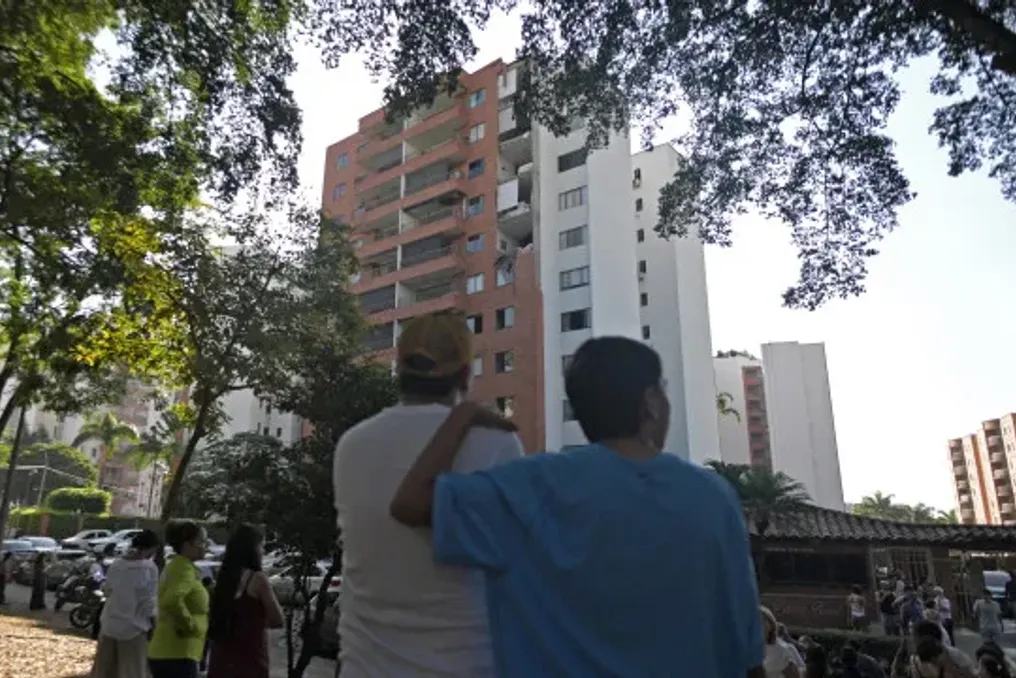
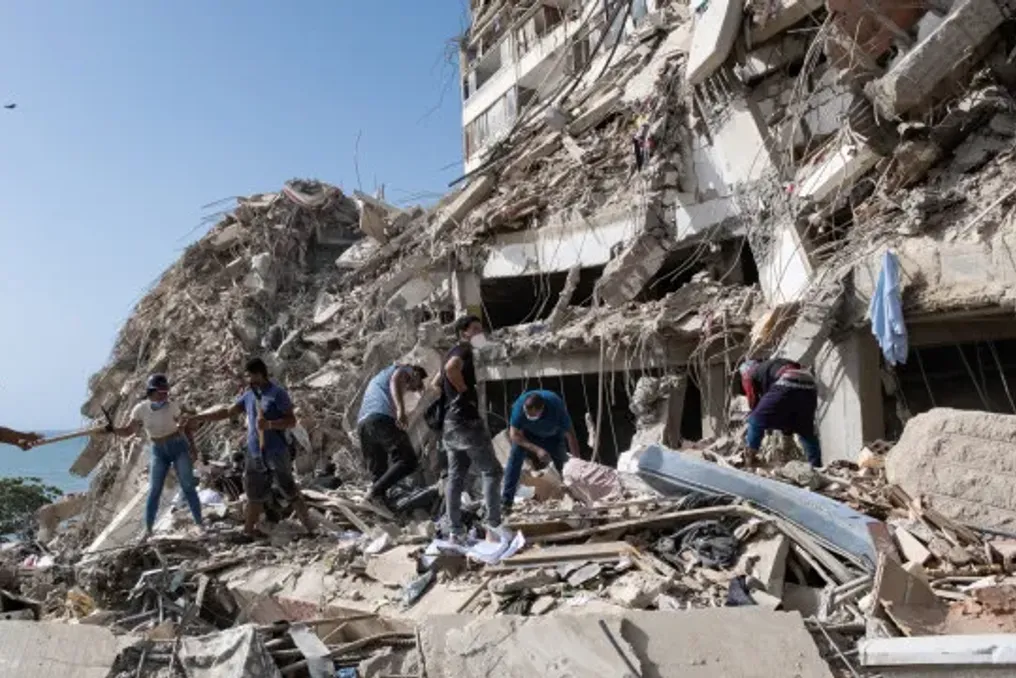
The earthquakes of magnitude 7.2 and 7.5 registered in Venezuela on June 24 resulted in the deaths of at least 6,301 people and injuries to 73,356 people, according to the latest official report published on Monday. Among the deceased are at least 138 Portuguese nationals and descendants of Portuguese.