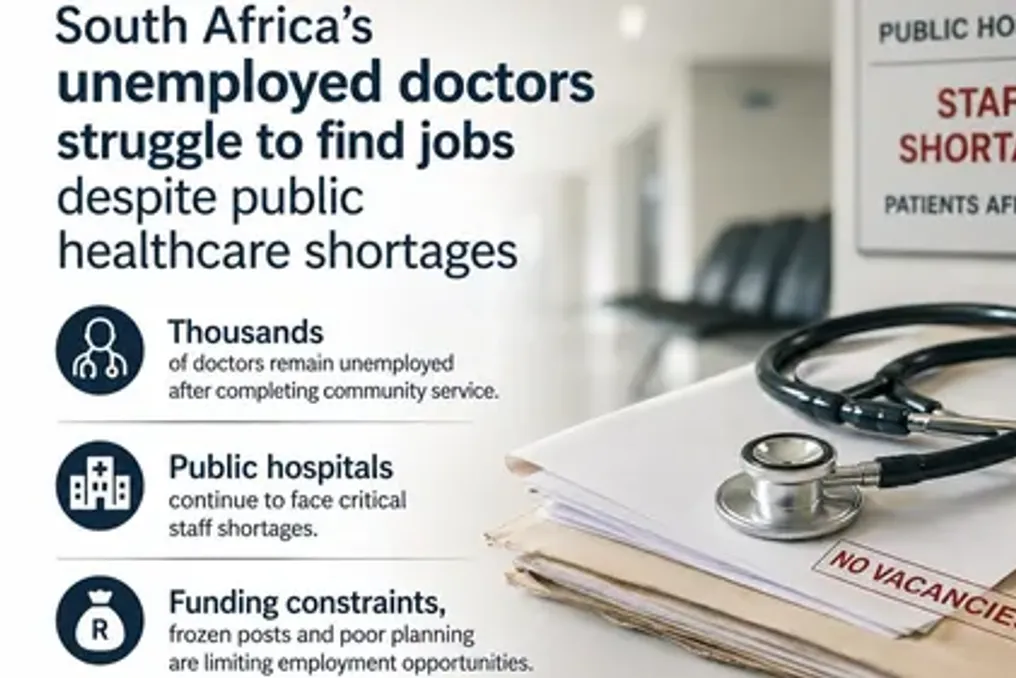

The journey of a doctor in South Africa presents significant challenges, transitioning from the achievement of medical school to confronting severe unemployment and persistently seeking hope.
The decision to pursue medicine was driven by a desire to assist the community, show empathy towards others, and share in their hardships. These aspirations were rigorously tested throughout the demanding phases of medical school and the subsequent internship.
While becoming a doctor was a major accomplishment, maintaining that career path appears to be the most difficult hurdle currently. After completing community service, the individual's abilities in patient care, community leadership, advocating for health, and saving lives were honed and prepared for service.
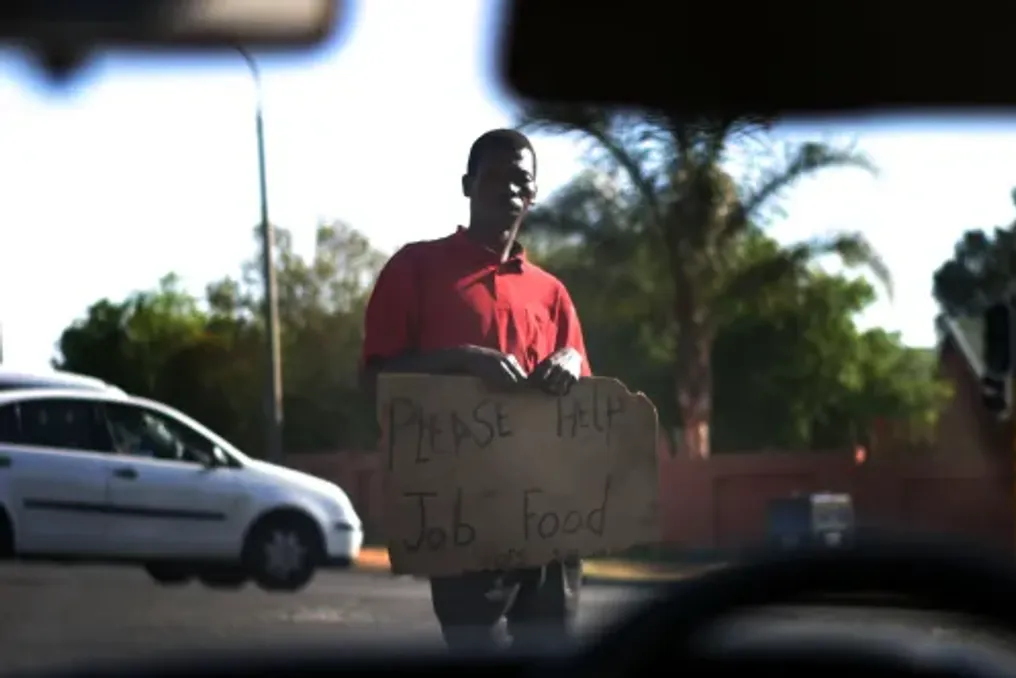
However, instead of serving the community, the doctor encountered obstacles related to constant application submissions and interviews for positions such as Medical Officer and Registrar, all without success. This occurred while observing patients suffering from long waits in public hospitals, despite the doctor possessing all necessary qualifications.
Furthermore, there is the expense associated with ongoing educational courses and primary certifications required to boost employability, even while remaining jobless. The current system is discouraging. Moving away from government roles, the locum culture prevalent in South Africa also poses difficulties, forcing doctors to work either part-time or full-time in private general practices.
Competition is intense due to the high number of unemployed doctors and the lack of standardized hiring rates, which sometimes leads to low pay that exploits the desperate circumstances. Depending on personal finances, some individuals feel compelled to accept these terms.
Opening a private medical practice is another possibility, but this is complicated by already saturated areas of general practices and the need to build a patient base from zero. Additionally, the substantial capital required often overwhelms most doctors with administrative and management tasks.
There is a shared prayer and hope for a better South Africa and increased opportunities. Some have chosen to seek employment overseas, but the high cost of this relocation is not accessible to everyone.
This situation prompts reflection on whether the intense academic and physical demands of becoming a doctor are truly worthwhile upon finishing community service and facing limited prospects.
Ultimately, everyone must find ways to make ends meet, whether by accepting available shifts, traveling long distances for short locum assignments, or taking on unrelated jobs regardless of their professional credentials. While hoping for a brighter future, there is no luxury of waiting; movement and persistent effort are necessary, mirroring the drive that led them to this point.