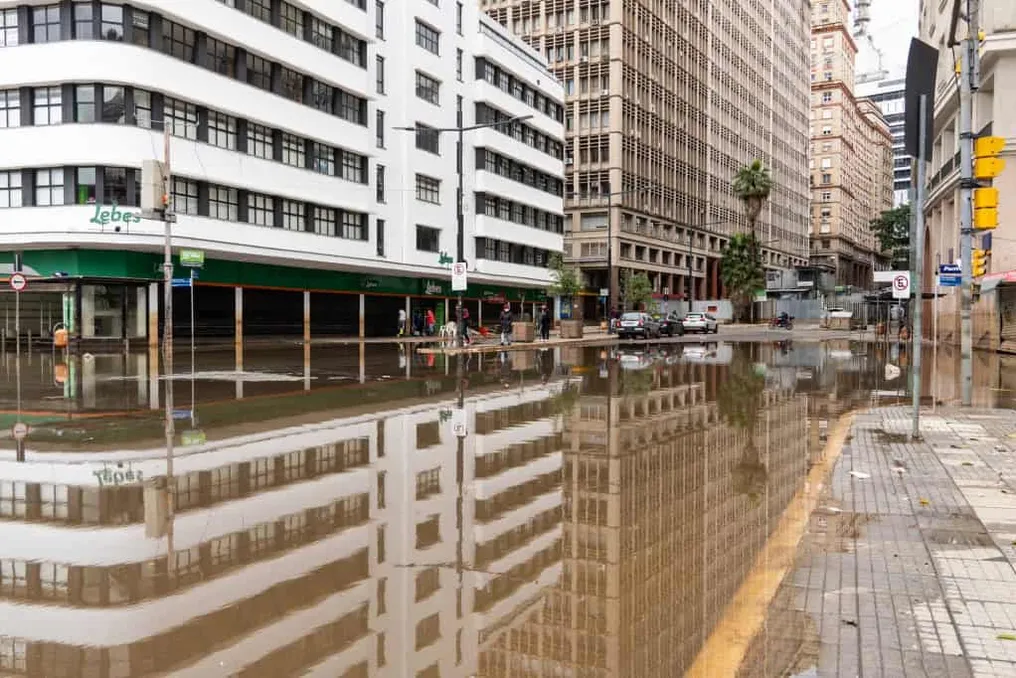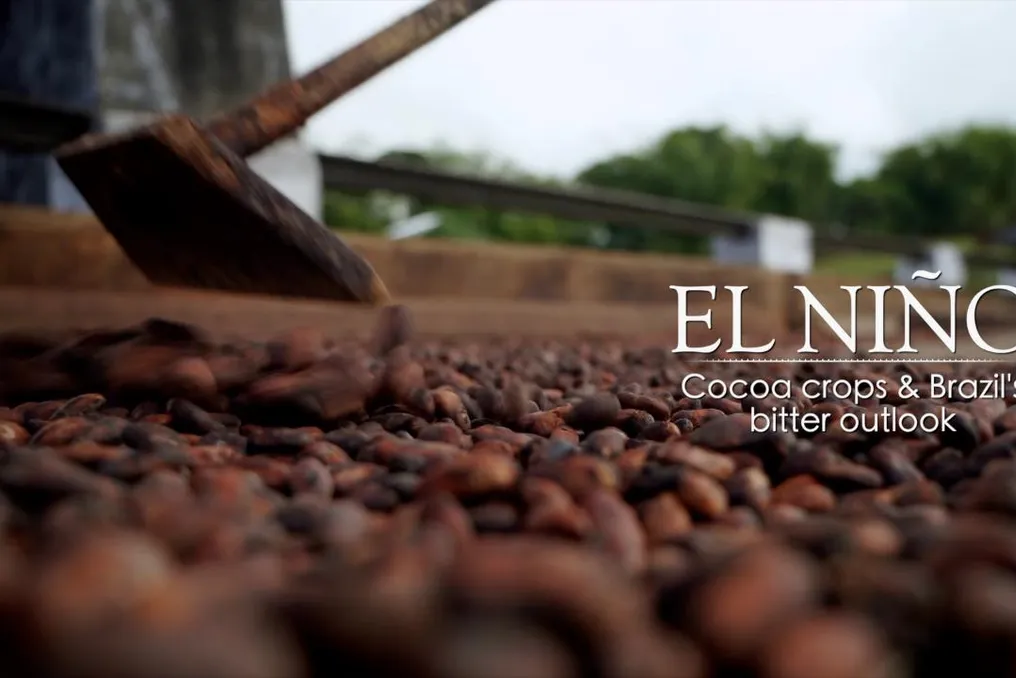
In a special edition of the CGTN series 'Inside El Niño,' a report was presented on the state of Bahia in Brazil, which is a historical center for cocoa cultivation. Producers are closely monitoring the development of a strong El Niño phenomenon in the Pacific Ocean after a previous major event led to crop destruction due to severe drought.
On traditional farms where cocoa has been cultivated for generations under the Atlantic Forest, the sensitivity of this harvest to drought periods means that any disruption during the long production cycle can sharply reduce yields and seriously undermine farmers' livelihoods.
Although the industry continues to cope with the aftermath of past fungal outbreaks, which previously significantly reduced production, researchers are working on developing drought-resistant varieties and considering a shift to drier territories as a long-term strategy for ensuring crop security.
As Brazil aims to supply high-quality specialty cocoa and chocolate to growing markets such as China, the stakes extend beyond local plantations, affecting global supply chains and the economic sustainability of communities dependent on this climate-vulnerable crop.