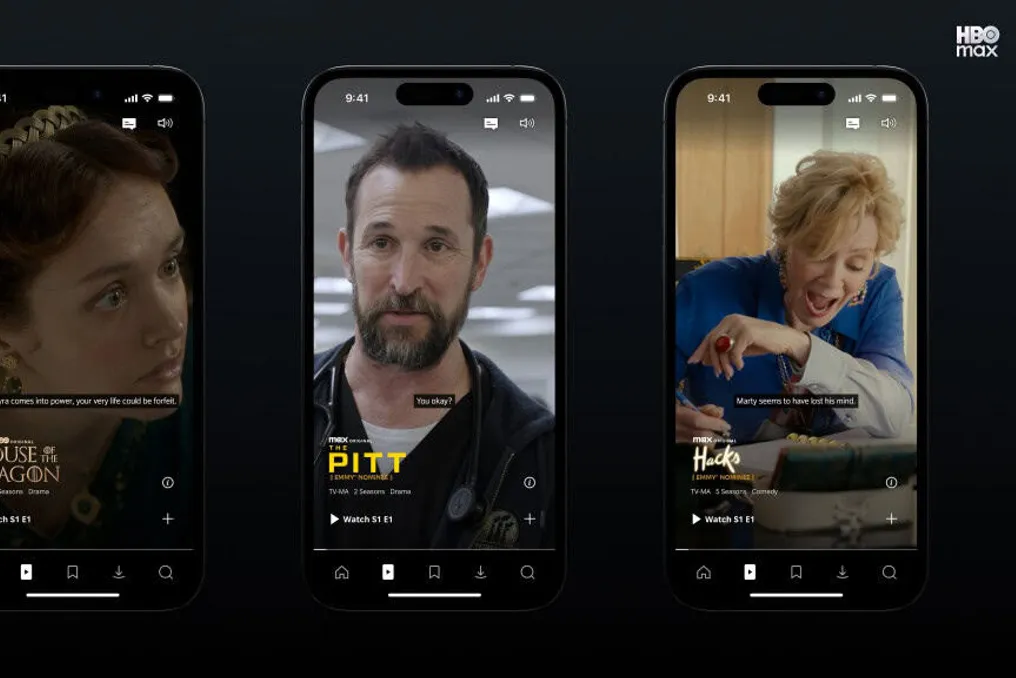
NASA announced on Monday, the 10th, the expansion of the NASA+ service to two streaming platforms: discovery+ and HBO Max. This measure aims to increase the ways the public can follow materials related to space exploration.
On discovery+, a continuous broadcast channel exclusive to NASA+ has been implemented. Simultaneously, HBO Max will begin showing special agency events, including the Artemis III mission, which is scheduled for 2027.
The expansion also incorporates support for Dolby Vision images on compatible devices. It is important to note that despite being included in paid streaming services, NASA+ will remain accessible for free and without advertisements through the NASA's own app and website.
The way the content will be distributed varies across each of the new platforms. While discovery+ will offer uninterrupted NASA+ programming, HBO Max will be responsible for broadcasting the singular events organized by the space agency.
Topics that may be part of this programming include scientific mission launches, flight tests related to docking with crewed landing systems, robotic deliveries destined for the Moon, and the first crewed mission to land on the lunar surface under the Artemis program scope.
NASA also indicated the possibility of increasing this offering in the future. This strategy is part of the agency's goal to make its programming available on more devices and allow the public to watch its activities according to their preference.
On compatible equipment, the content can be viewed in Dolby Vision. This technology promises to offer greater contrast sharpness, more vibrant colors, clearer images, and greater detail depth during broadcasts.
The agency linked this expansion to its commitment to making its space exploration activities more accessible to the public. According to Rebecca Sirmons, General Manager of NASA+ based at NASA in Washington, the dissemination of the agency's actions is tied to the duty stipulated by the National Aeronautics and Space Act of 1958.
Sirmons also commented on the reception of Artemis II by viewers in various regions of the globe and stated that NASA intends to maintain transparent and captivating coverage as it continues its return to the Moon.
This expansion of transmission contracts occurred after NASA presented plans during its Ignition event in early 2026, which encompass increasing the frequency of Artemis missions on the lunar surface and building the first base on the Moon.
Even with the addition to streaming platforms, NASA+ will remain free of charge and ads, available via the agency's official website and app.