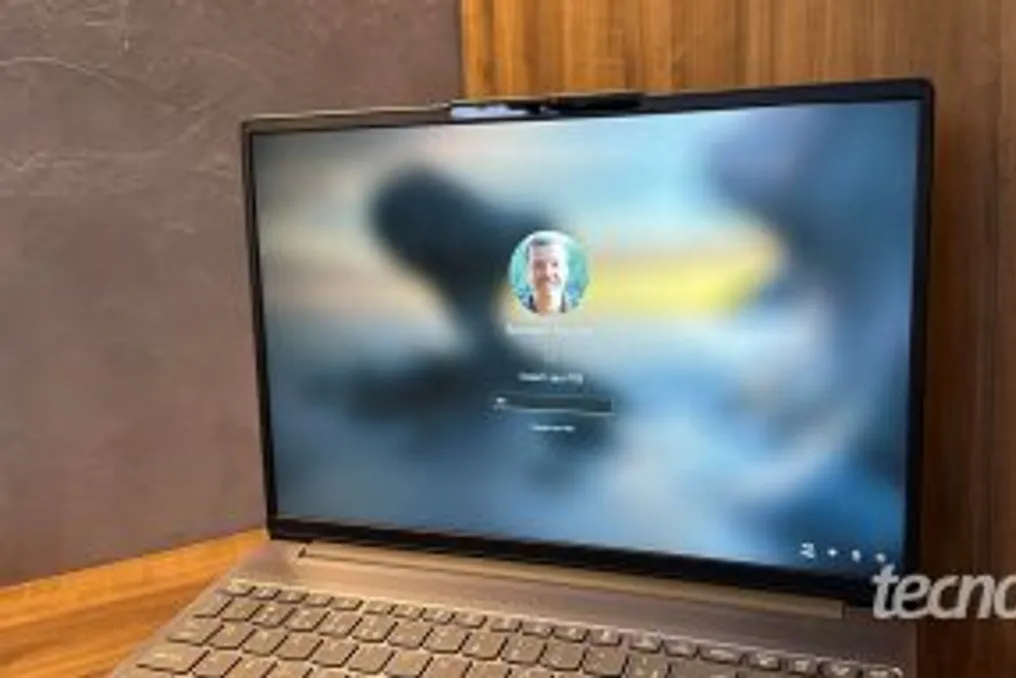
Microsoft has quietly removed a security feature present since Windows 8: the Image Password option. This feature allowed users to access the system by drawing a specific pattern over a chosen image.
Microsoft has quietly removed a security feature present since Windows 8: the Image Password option. This feature allowed users to access the system by drawing a specific pattern over a chosen image.
It is relevant to note that Windows 8 was introduced in 2012 with the goal of integrating the traditional PC experience (using keyboard and mouse) with that of tablet-like devices (with touch screens). The Image Password function was created precisely to enable unlocking the computer that had these characteristics, allowing drawing on the screen instead of typing a password.
Subsequent versions of the operating system maintained support for this feature, as the drawing could also be performed using a mouse. However, the feature had low usage, which may have been a factor in Microsoft's decision to remove it from Windows 11.
According to Neowin, the removal occurred with cumulative update KB5101650, which was made available on July 14, 2026, for the 24H2 and 25H2 editions of the operating system.
Another reason cited for the removal was the security of the method, which is considered relatively fragile. For this reason, the company itself suggests alternatives on its support page regarding the update:
Microsoft stated that, to enhance security, Image Password will no longer be available for new registrations. However, users who had already configured such a password can continue to use it to log into Windows. If the image password is disabled, removed, or never configured, there will be no possibility of reconfiguring it.
The company strongly recommends using the Windows Hello PIN, facial recognition, or fingerprint recognition whenever these are available.
Although it might be useful to some, the Image Password function was not widely known. Furthermore, the feature may not appear in the settings section when the option 'Allow only Windows Hello sign-in for Microsoft accounts' is active, which is common in current new installations, contributing to its low usage.
Despite the changes, Microsoft clarified that the functionality will remain operational for those who activated it before the update was implemented.
A post appeared on the social network X claiming that Windows 11 contains a background service that sends data from gaming PCs to Microsoft every 15 minutes, raising suspicions of espionage. However, Microsoft is refuting these claims.
The basis of these allegations is a service called Windows Health and Optimized Experiences, known internally by the code whesvc. This service is indeed present in Windows 11 and runs automatically with the operating system. According to the initial report, its function was to monitor processor data, temperature, and battery life for transmission to Microsoft every half hour.
Microsoft expert Scott Hanselman, Vice President of Developer Community, issued a denial. He explained that this feature was added to Windows 11 in 2025 to collect diagnostic data in case of computer performance issues.
According to more detailed explanations, the whesvc service tracks signs of system slowdown and saves exclusively local diagnostic records on the user's device. This collected data does not leave the computer unless the user decides to send a report through the Feedback Hub.
Scott Hanselman's response served as an official comment on the original post, which likely helped limit the spread of this information on X. Nevertheless, the incident had a positive aspect: one user asked about the vague description of whesvc in the Windows 11 services section. Indeed, the description is quite vague: 'whesvc monitors the device to ensure a better user experience.'
Hanselman hinted that he would request responsible parties at Microsoft to provide a more detailed description of this feature.
Although it is not necessary, the whesvc service can be disabled at any time. To do this, enter the word 'services' into the search field of the Windows 11 Desktop or Start Menu and open the corresponding option. Then, find the item 'Windows Health and Optimized Experiences' (the service name in Portuguese). Right-click it, select 'Properties', click 'Stop', and set the 'Startup type' to 'Disabled', then click 'OK'.