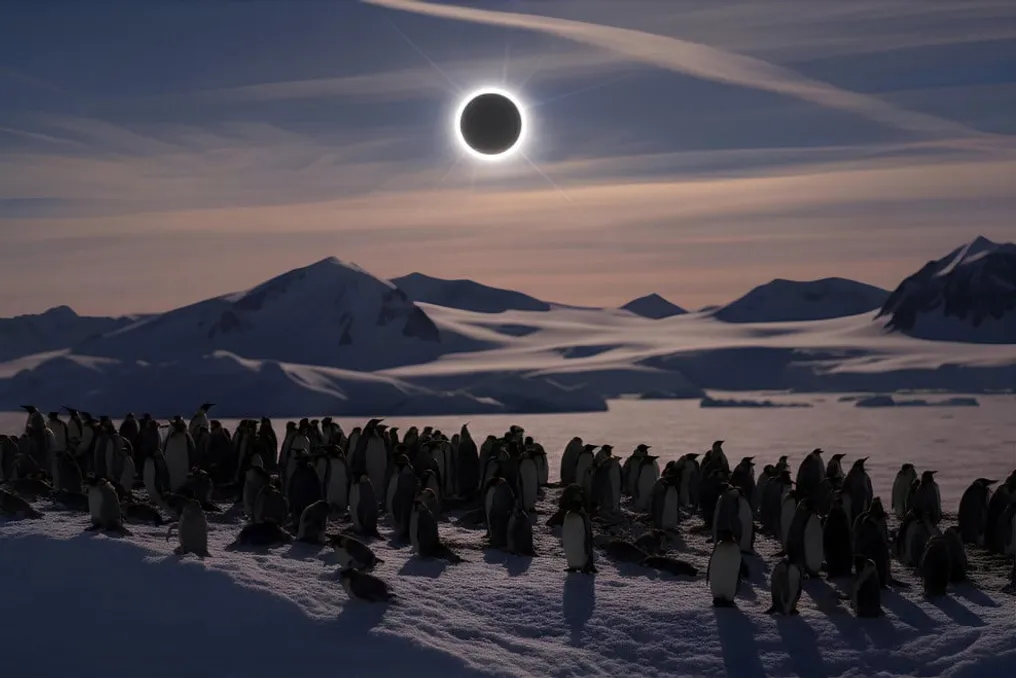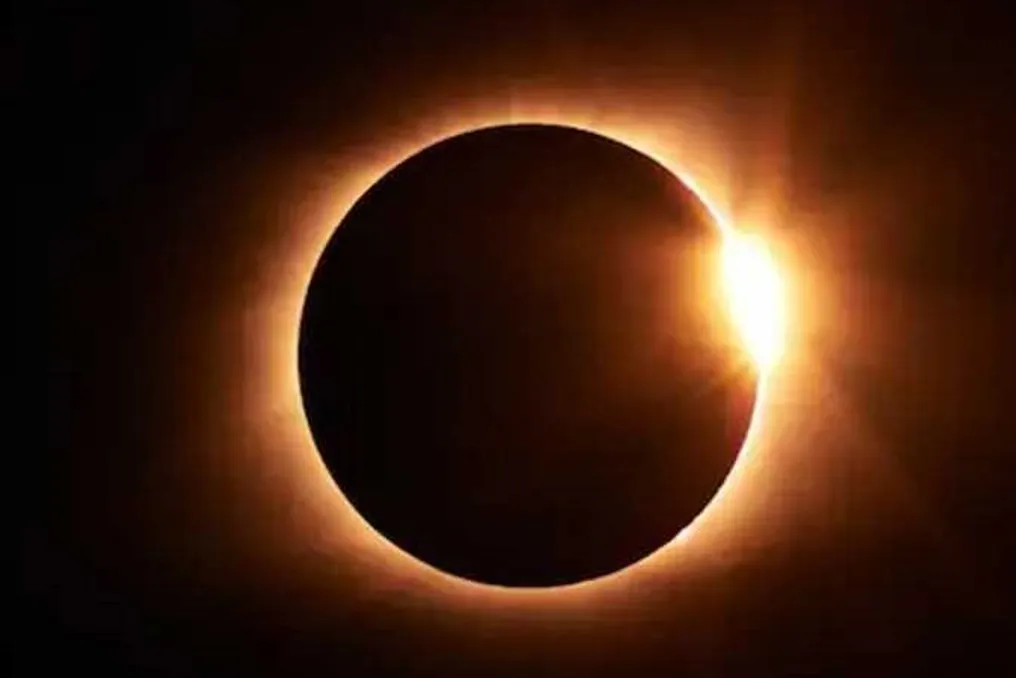
One of the most significant solar eclipses of the decade will occur this week, with over 15 million people located in the path of totality and approximately 980 million able to witness the event partially.
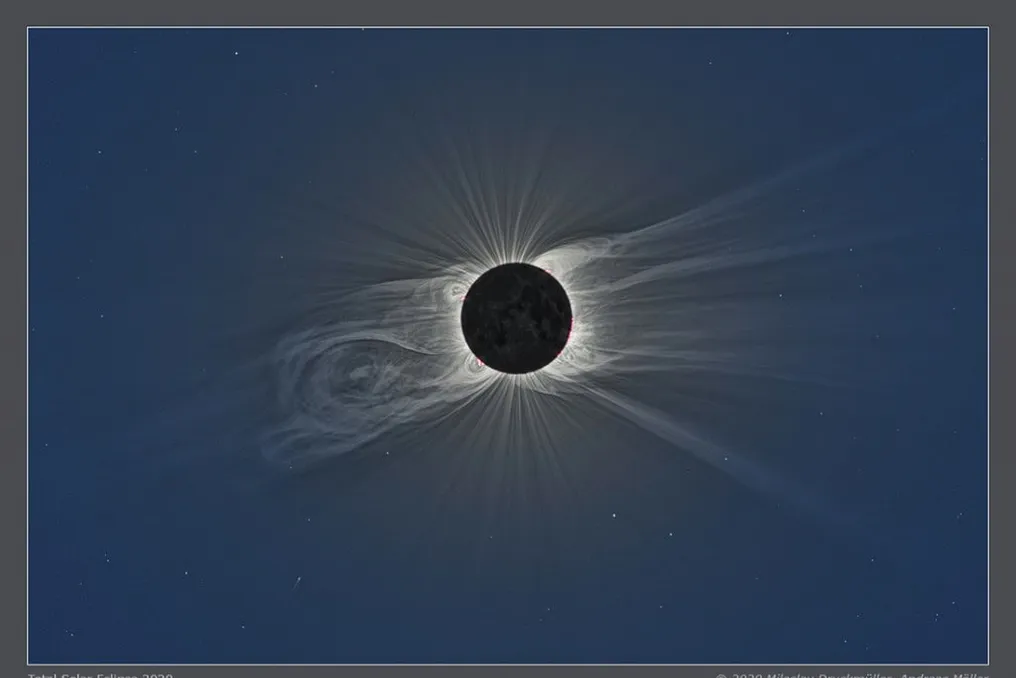
A total solar eclipse transcends mere visual spectacle; during the brief moments when the Moon completely obscures the Sun, scientists have the chance to examine aspects of the stellar atmosphere that would normally be hidden by the intense brightness.
This Wednesday (12), NASA-funded research groups will use this occasion to investigate the solar corona and analyze how the sudden decrease in solar luminosity impacts the Earth's atmosphere.
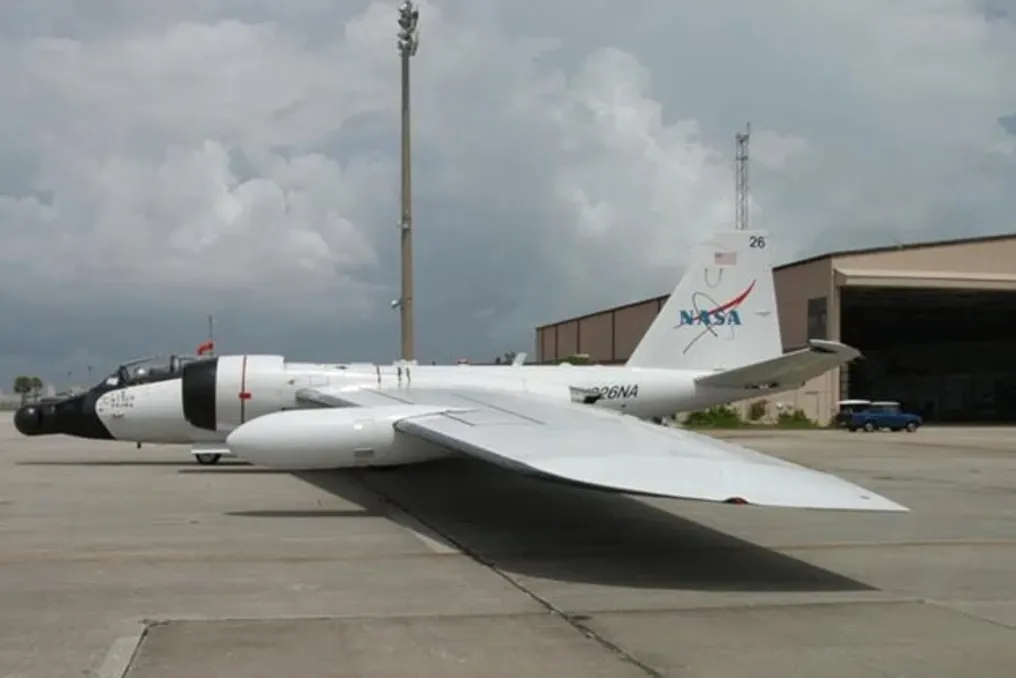
One investigation will be conducted aboard an agency WB-57 aircraft, which will follow the lunar shadow at high altitude. The purpose is to extend the observation time of the solar corona and document any modifications that might be missed during the few minutes of totality seen from the ground.
This aircraft will be equipped with four cameras capable of generating high-definition images across various wavelengths of visible and infrared light. The system has the capacity to record a minimum of 20 photos per second, allowing for the tracking of structures, matter flows, and rapid changes in the Sun's outer layer.
Scientists aim to better understand the formation of solar prominences, which are structures composed of suspended material above the stellar surface. Furthermore, they intend to ascertain why the solar corona reaches temperatures close to one million degrees and what the connection is between this region and the solar wind, which consists of dispersed particles throughout the Solar System.
The aircraft will fly at an altitude of about 15.2 km, positioned above clouds that could interfere with observations. This height also allows for the detection of certain infrared wavelengths that are absorbed by the Earth's atmosphere before reaching the ground.
The same technological setup was used during the total solar eclipse of April 2024. Since then, the team has made adjustments to the cameras and developed tools to streamline the processing and analysis of collected data.
Amir Caspi, a researcher at the Southwest Research Institute (SwRI) and principal investigator of the study, stated in a NASA release: 'The Sun is always changing.' He added that 'each eclipse is different. Thus, we can observe unprecedented things. And we learn from each eclipse how to observe the next one better.'
While the aircraft focuses on the Sun, another team will monitor events near the Earth's surface. In Iceland, the National Balloon Project for Eclipse Observation plans to launch 80 scientific balloons before, during, and after the lunar shadow passes.
These instruments will be used to study the atmospheric boundary layer, which is the lowest part of the atmosphere and is directly affected by surface conditions. The thickness of this layer varies according to factors such as humidity and temperature.
Experiments conducted during the 2023 and 2024 eclipses indicated that this layer reduced its thickness in areas with clear skies but did not show the same pattern in cloudy regions. Currently, scientists want to know if this result will repeat in Iceland.
The season can also influence the atmospheric response. Since the eclipse will occur in August, a period of long days and short nights in Iceland, researchers hope to verify if this characteristic interferes with the observed changes.
Matthew Bernards, a professor of chemical engineering at the University of Idaho and responsible for one of the teams in Iceland, raised the question: 'Will this eclipse manage to collapse the atmospheric boundary layer?'
In Spain, three groups will launch six other balloons, equipped with 360-degree cameras to record the shadow's passage over the surface. These balloons will also carry sensors designed to measure ozone levels in the atmosphere.
Ozone depends on solar incidence for its formation and can consequently undergo changes during the totality phase. In tests conducted during the April 2024 eclipse, researchers noted a decrease in the levels of this gas.
This new campaign will allow confirmation of whether such an effect occurs under different conditions. Since the 2026 eclipse will happen at a different time and in a different season, the collected data will help elucidate how environmental variables influence the atmosphere's reaction during a total solar eclipse.