The Acting Minister of Science, Research and Technology of Iran, Masoud Shams-Bakhsh, held separate meetings with representatives from Indonesia and South Africa to explore opportunities for developing scientific and technological interaction.
The Acting Minister of Science, Research and Technology of Iran, Masoud Shams-Bakhsh, held separate meetings with representatives from Indonesia and South Africa to explore opportunities for developing scientific and technological interaction.
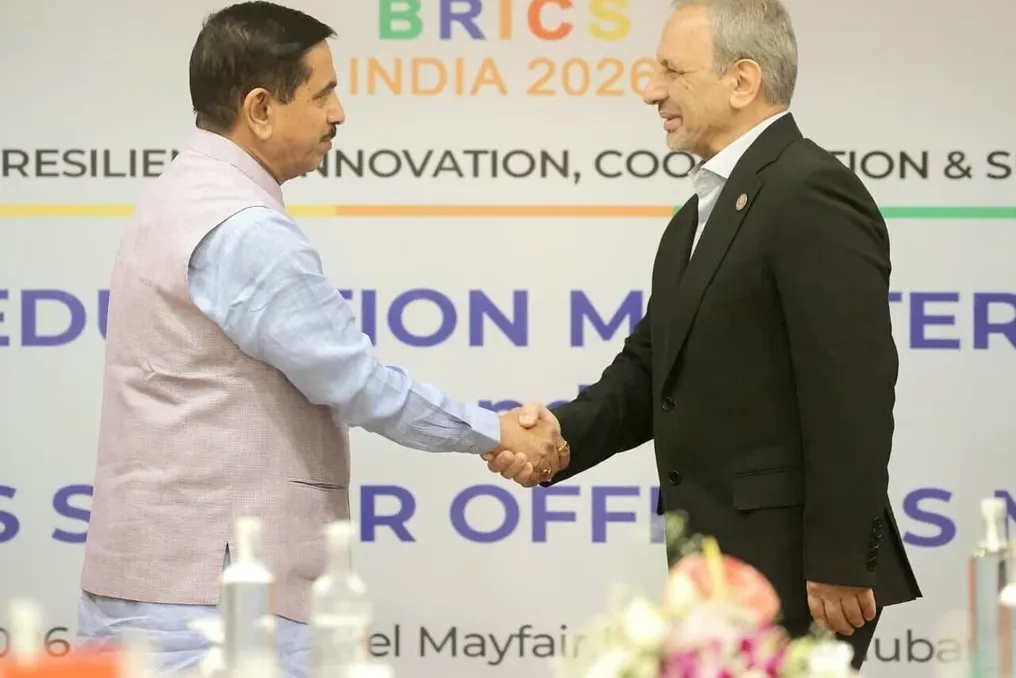
The meetings took place on the sidelines of the 13th BRICS Ministers of Education meeting, which was held from August 5 to 7 in Odisha, India. During negotiations with the Indonesian Minister of Higher Education, Science and Technology, Brian Yuliarto, the parties discussed ways to develop joint scientific projects, especially in the field of new technologies.
Yuliarto spoke about Indonesia's scientific potential, particularly in the fields of science, technology, engineering, and mathematics, and expressed Jakarta's readiness to implement joint research programs, faculty and postgraduate exchange, provision of research leave, and organization of short-term courses jointly with Tehran. The Indonesian official invited the Minister of Science, Research and Technology, Hossein Simai-Sarraf, and Shams-Bakhsh to visit Indonesia.
For his part, Shams-Bakhsh emphasized that the long-standing cultural, historical, and religious ties between the two countries create a solid foundation for expanding educational and research cooperation. The main areas of discussion included increasing the number of scholarships, expanding scholarship exchange programs, developing joint educational courses, conducting research on climate change, food security, renewable energy, and agriculture. The parties also considered the possibility of including more Iranian universities in the BRICS University Network, based on Indonesia's experience, and noted the need to sign a memorandum of understanding for the prompt implementation of the agreements reached.
On July 15, the National Iranian Science Foundation (INSF) and the Indonesian National Research and Innovation Agency (BRIN) held a joint webinar titled 'Developing Scientific Research Cooperation between Iran and Indonesia: Strategic Opportunities Ahead.' The event featured presentations by INSF President Mortezah Hormozinejad and Deputy Chairman for Research and Innovation Promotion Agus Haryono. Experts and professors from both countries also gave lectures on health, water security, and environmental sectors. The event promoted scientific ties and the development of joint projects between Iran and Indonesia.
In December 2025, the Indonesian Ambassador to Tehran, Rolliansya Soemirat, stated that the new Indonesian government intends to develop scientific and technological ties with Iran, noting Iran's extensive capabilities in science and technology. According to Soemirat, the administration expects to expand international cooperation, especially in science and technology, which opens up new opportunities for interaction focused on technology exchange and new developments, as well as strengthening technological partnership. He made these remarks during a meeting with Hossein Rouzbakhsh, head of the Organization for the Development of International Cooperation in Science and Technology. Mentioning his visit to the Iranian House of Innovation and Technology (iHiT) exhibition, the ambassador noted that the exhibition only demonstrates a part of Iran's potential in science and technology, confirming Iran's status in the global science and innovation ecosystem. He also stressed that Iran (over 90 million people) and Indonesia (about 280 million people) represent a large market for technological products and services, which is an important factor for advancing bilateral relations. Soemirat highly praised the opening of the iHiT branch in Jakarta, stating that the center could become the basis for future partnerships in the technological field.
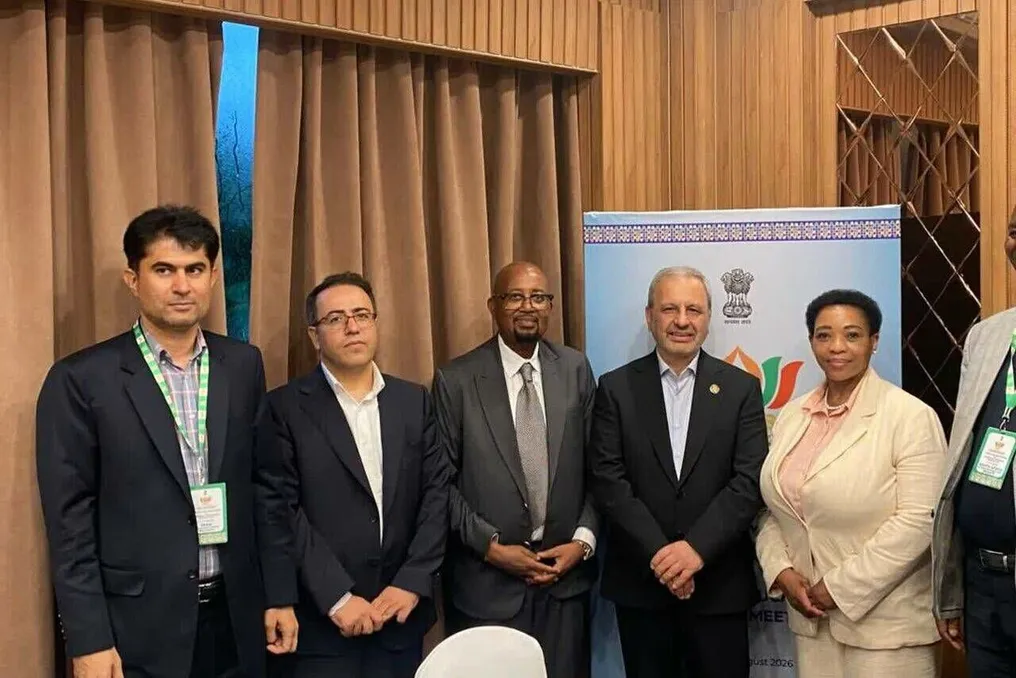
Shams-Bakhsh also met with Nomusa Dube-Nkube, Deputy Minister of Higher Education and Training in South Africa. The parties emphasized the need to activate scientific and technological ties and discussed ways to improve cooperation in various research and educational fields. Dube-Nkube outlined South Africa's potential and interests in education, expressing the country's readiness to strengthen ties with Iran in joint research, faculty and postgraduate exchange, provision of research leave, and organizing short-term educational courses. Shams-Bakhsh, in turn, discussed opportunities for Iran's participation in initiatives led by South Africa, including the G20 Education Working Group and cooperation in recognizing academic qualifications. Both sides expressed interest in developing cooperation in areas of mutual interest, such as mining, metallurgy, and renewable energy, and committed to developing a joint cooperation agreement in the near future.
The 13th BRICS Ministers of Education meeting gathered ministers of education, high-ranking officials, and delegates from all 10 BRICS member countries—Brazil, Russia, India, China, South Africa, Egypt, Ethiopia, Indonesia, Iran, and the United Arab Emirates—to deepen cooperation within the BRICS education track. The meeting concluded with the adoption of the BRICS Ministers of Education Declaration, which affirmed education as a key pillar of BRICS cooperation and outlined a general action plan across five priority areas under India's chairmanship in 2026. These five areas include strengthening early childhood and basic literacy, enhancing cooperation in skills development and vocational education, improving research, innovation, and startup ecosystems, promoting mutual recognition of qualifications, and building capacity for academic leadership and institutional development.
BRICS as a platform for expanding research cooperation. One of the main areas of BRICS activity in 2025 was the development of joint research projects among member states in fields such as artificial intelligence, healthcare, clean energy, food security, quantum technologies, data science, and advanced materials. Iran's membership in this network provides significant opportunities for scientists and researchers to participate in international projects. In 2025, BRICS countries discussed creating data infrastructure, exchanging supercomputing capabilities, forming joint scientific networks, and using new technologies to solve global problems. Iran, possessing capabilities in AI, data processing, and knowledge-based companies, aims to gain a larger share in future BRICS technological projects. The BRICS Action Plan for Innovation 2025–2030 is a document defining the roadmap for cooperation among member states in the digital economy, technology transfer, support for knowledge-based companies, and the development of an innovation ecosystem. Iran's participation in this plan can open the way for the exchange of technical knowledge, improvement of industrial cooperation, and entry of Iranian knowledge-based companies into new markets. The report also indicates that human capital and innovation are among BRICS' main priorities; key events in this area include the Xth Young Scientists Forum, the VIII BRICS Young Innovator Award, and the first BRICS Startup Forum. Iran's membership in BRICS can bring numerous benefits, such as broader access to international scientific and research networks, participation in joint projects, increased technological and industrial cooperation, utilization of the technology transfer network potential, development of the knowledge-based company market, and attracting investment in technology and innovation sectors. The report highlights AI, biotechnology, nanotechnology, quantum technologies, the digital economy, and space technologies as the most important axes of future cooperation between Iran and BRICS countries. It also calls for promoting scientific links between universities, research centers, knowledge-based companies, the private sector, and executive bodies to create a national coordination mechanism that strengthens cooperation with BRICS countries.
Officials from Iran and India emphasized the necessity of developing scientific ties between the two countries, with a particular focus on the sectors of education, research, technology, and innovation.
On Friday, during the 13th BRICS Education Ministers' Meeting, held from August 5 to 7 in Odisha, India, the current Iranian Minister of Science, Research and Technology, Masoud Shams-Bakhsh, and the Indian Minister of Education, Shri Pranab Joshi, met.
According to an IRNA report, the main focus of the meeting was on expanding academic interaction between Iranian and Indian universities, stimulating cooperation between scientific institutions, improving educational opportunities for students and researchers, and utilizing existing capacities and digital education to support the new generation and promote innovation.
Furthermore, Shams-Bakhsh, along with Mohammad-Nabi Shahiki Tash, Deputy Minister of Technology and Innovation of the Islamic Republic of Iran Government, and their delegation visited the International Centre for Genetic Engineering (ICGEB) in India. According to ICGEB.org, the delegation was received by the Director of ICGEB New Delhi, who, together with the heads of the Centre's groups, held productive discussions on developing scientific cooperation, promoting research partnerships, and exploring future interaction prospects in areas of mutual interest. The exchange of views underscored a common commitment to advancing excellence in biotechnology, innovation, and capacity building through international scientific collaboration.
Discussions focused on strengthening scientific cooperation, reinforcing research partnerships, providing training for Iranian researchers, and identifying future opportunities in biotechnology and innovation. During the visit, the delegation toured the ICGEB Biofactory and several modern research facilities at the Centre. This visit provided insight into ICGEB New Delhi's advanced research programs, its high-tech platforms, and its innovation ecosystem, demonstrating the Centre's contribution to biotechnology research in human health, agriculture, industrial biotechnology, and sustainable development.
The visit confirmed the importance of international partnerships in solving global scientific problems and strengthening cooperation in science, research, and technology.
The 13th BRICS Education Ministers' Meeting gathered education ministers, senior officials, and delegates from all 10 BRICS member countries—Brazil, Russia, India, China, South Africa, Egypt, Ethiopia, Indonesia, Iran, and the United Arab Emirates—to deepen cooperation within the BRICS education track. The meeting concluded with the adoption of the BRICS Education Ministers' Declaration, which affirmed education as a key pillar of BRICS cooperation and outlined a general action plan across five priority areas under India's BRICS presidency in 2026. The Declaration identified five key areas for strengthening cooperation among BRICS countries: Strengthening Early Childhood Care and Education (ECCE) and Foundational Literacy and Numeracy (FLN); Enhancing Cooperation in Skills Development and Technical and Vocational Education and Training (TVET); Improving Research, Innovation, and Startup Ecosystems; Advancing Mutual Recognition of Qualifications (MRQ); and Building Capacity for Academic Leadership and Institutional Development.
Mohammad-Reza Khalili, Vice President for Research and Technology at the University of Applied Sciences and Technology, presented his proposals at the Symposium on Cooperation in Technical and Vocational Education and Training and the joint session of the BRICS Steering Committee (TCA JMC), which took place on August 3 and 4 at Kaushal Bhavan, New Delhi. The event, organized by the National Skill Development Corporation (NSDC) under the Ministry of Skill Development and Entrepreneurship of the Government of India, was held under the theme 'Sustainable and Digitalized TVET: The BRICS Perspective'. The two-day meeting brought together representatives from BRICS countries, international organizations, academia, industry, and educational institutions. Speaking on the transformation of technical and vocational education in Iran, Khalili detailed green skills, digital skills, and practical experience, which was well received by participants.
During the meeting, Iran's proposals regarding green skills, digital skills, university practical experience, and frameworks for joint cooperation among BRICS member states were fully discussed and evaluated.
The Iranian Centre for Progress and Development (CPDI) prepared a report in June illustrating Iran's participation in scientific and technological and innovative cooperation within BRICS, as well as strategic opportunities and necessary measures to enhance the country's role in this sector. BRICS, as one of the most important players in the international system in recent years, has invested significant resources in science, technology, and innovation, in addition to economic and political cooperation. This bloc has now transformed into one of the largest networks of scientific cooperation in developing countries, utilizing 14 specialized working groups and dozens of joint scientific and technological programs.
CPDI, acting as the coordination center for Iran's technological and scientific interaction with BRICS, is responsible for guiding the country's representatives, analyzing special documents, providing technical consultation, and establishing links between domestic institutions and specialized BRICS structures. According to the report, 2025 could be considered a starting point for Iran's participation in the BRICS scientific, technological, and innovative structure, which has successfully demonstrated the country's capabilities in science and technology, laying the foundation for active participation in joint projects in the future and strengthening the country's position in scientific and technological cooperation.
The country actively participated in BRICS technical and specialized meetings in various scientific fields in 2025, such as Artificial Intelligence (AI), biotechnology, neuroscience, oceanography, geospatial information technology, astronomy, photonics, nanotechnology, materials science, social and humanities sciences, and research infrastructure.
BRICS as a platform for expanding research cooperation. One of the main areas of BRICS' activities in 2025 was the development of joint research projects between member states in fields such as AI, healthcare, clean energy, food security, quantum technologies, data science, and advanced materials. Iran's membership in this network would provide researchers and scientists with an excellent opportunity to participate in international projects.
In 2025, BRICS countries discussed the development of data infrastructure, sharing supercomputing capabilities, creating joint scientific networks, and using new technologies to solve global problems. Iran, possessing capabilities in AI, data processing, and knowledge-based companies, sought to gain a larger share in future BRICS technological projects. The document 'BRICS Action Plan for Innovation 2025–2030' outlines a roadmap for cooperation among member states in the digital economy, technology transfer, support for knowledge-based companies, and the development of an innovation ecosystem. Iran's involvement in this plan could pave the way for the exchange of technical knowledge, improved industrial cooperation, and the entry of Iranian knowledge-based companies into new markets.
The report also notes that human capital and innovation are among BRICS' main priorities; key activities in this sector include the 10th Young Scientists Forum, the 8th BRICS Young Innovator Award, and the first BRICS Startup Forum. Iran's membership in BRICS could bring numerous benefits, such as broader access to international scientific and research networks, cooperation in joint research projects, improved technological and industrial cooperation, leveraging the technology transfer network potential, developing the knowledge-based company market, and attracting investment in technology and innovation sectors. The report highlights AI, biotechnology, nanotechnology, quantum technologies, the digital economy, and space technologies as the most important axes for future cooperation between Iran and BRICS member countries. It also calls for promoting scientific ties between universities, research centers, knowledge-based companies, the private sector, and executive bodies to create a national coordination structure aimed at strengthening cooperation with BRICS countries.
Discussions about the relationship between Iran and South Korea often focus on trade volumes, the petrochemical industry, or technology transfer. However, according to a recent analytical report by the Iran-South Korea Joint Chamber of Commerce, the foundation of the partnership is much deeper and more inspiring than commonly believed. This story goes beyond simple commercial interaction, encompassing a shared concept, architectural mastery, and intercultural engineering, offering valuable lessons for a shared future.
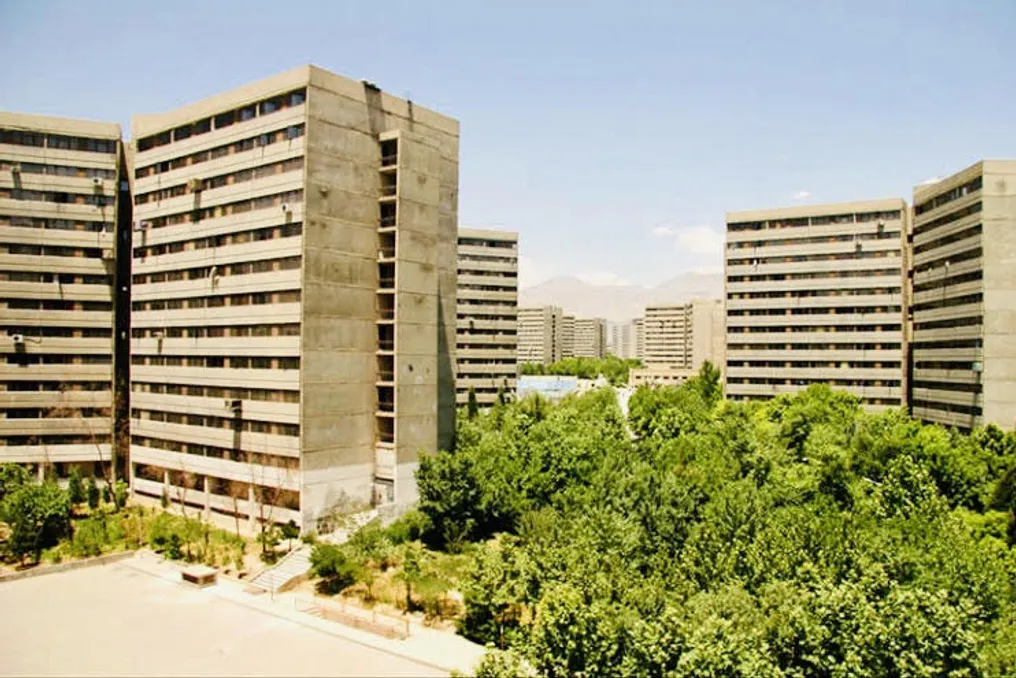
In a detailed review, the Chamber highlights a little-known but significant period of history: the involvement of the prestigious South Korean group SPACE in designing the landmark city of Tehran—Ekbatan—in the 1970s. At a time when Iran was implementing some of the region's most massive urban development projects, the SPACE group, founded by the distinguished architect Kim Soo-un, one of Asia's most influential design thinkers, collaborated with Iranian specialists.
Under the guidance of engineer Rahman Golzar from the Tehran reconstruction and development company, this collaboration merged the philosophy of Korean modernism with the needs of Iranian urban planning. The result was the city of Ekbatan, which remains a model of modern residential planning in Iran today. Its success is attributed not only to building materials but also to the synergy of international experience and local aspirations.
Kim Soo-un, who masterfully combined contemporary forms with traditional Korean aesthetics, later designed the main stadium for the 1988 Seoul Olympics, but his contribution to the urban landscape of Tehran remains one of his most significant international achievements.
The significance of this story today lies not only in its historical interest. It demonstrates that Iran and South Korea have long possessed the potential for genuine technical and intellectual interaction. Nearly half a century before recent waves of diplomatic and economic rapprochement, Korean and Iranian professionals were already exchanging knowledge, building trust, and creating landmarks that will serve future generations.
By publishing this reflection, the Iran-South Korea Joint Chamber of Commerce rightly calls this episode 'one of the least known pages of bilateral history.' However, the author also considers it one of the most encouraging. He reminds us that the relationship between the two countries is defined not by temporary political winds, but by a strong, creative, and people-oriented bond. From urban design to engineering innovations, both nations have proven that together they build better.
When planning the future of infrastructure projects, smart cities, and sustainable development in Iran, the legacy of the SPACE group and Engineer Golzar's team is not just a memory, but a model. It shows that the combination of Korean precision and Iranian vision leads to time-tested results. The future cooperation between Iran and Korea looks promising, as it is built upon a foundation that is often underestimated.
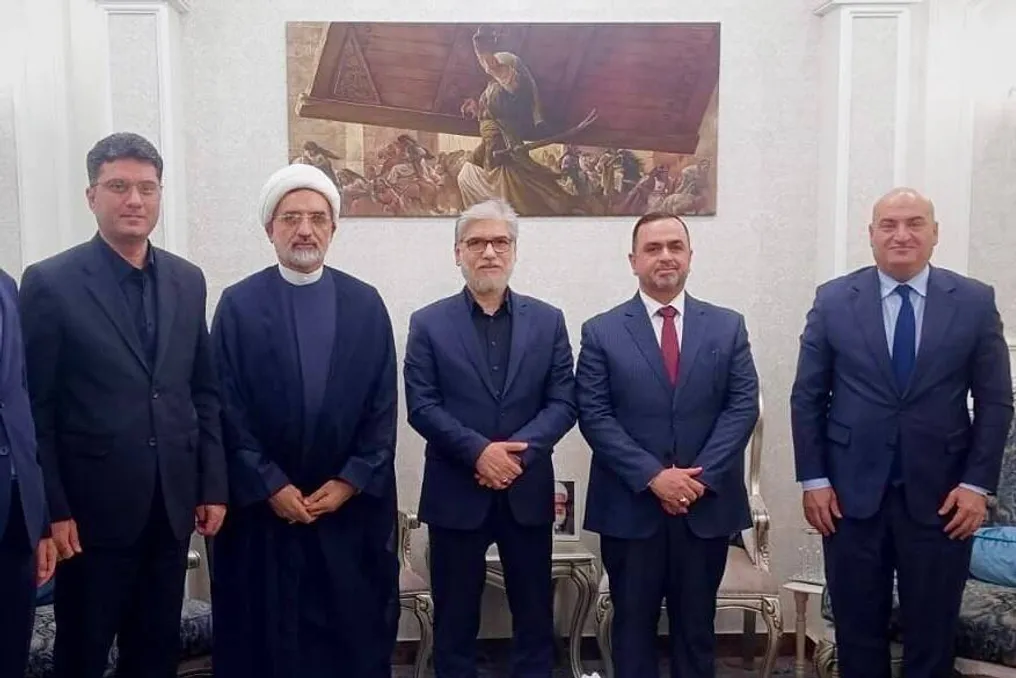
Iraqi officials, during a meeting with the Minister of Science, Research and Technology Hossein Simai-Sarraf, called for expanding scientific, academic, and technological interaction with Iran. This meeting took place in Baghdad on Thursday.
Participants in the negotiations included Haider Abd-Dahd Al-Rubai, Deputy Minister of Higher Education and Scientific Research of Iraq; Abdul Hussein Al-Musawi, Minister of Health of Iraq; and Abdul Hussein Al-Musawi, Acting Minister of Higher Education and Scientific Research, as reported by IRNA.
The parties emphasized the need to accelerate the implementation of previously signed memoranda of understanding. The main areas of discussion included sharing Iran's experience in developing higher education to achieve quantitative and qualitative goals, meeting the needs of Iraq's large youth population, attracting talented Iraqi students, and strengthening research partnerships.
Simai-Sarraf also met with Sayed Ammar Al-Hakim, leader of the National Movement of Wisdom in Iraq. Both sides noted the significant scientific and academic potential of Iran and Iraq, exchanging views on strategies for advancing scientific cooperation, expanding joint research, and developing academic ties between the two countries' universities.
In April, Simai-Sarraf and Al-Aboudi highlighted the necessity of activating scientific and technological cooperation between the two states. Furthermore, ways to develop joint work in the field of artificial intelligence (AI) using the capabilities of both nations were discussed.
During the meeting held in Tehran on April 18, Al-Aboudi stated that the issue of establishing a branch of Tehran University of Medical Sciences in Iraq was included in the agenda. For his part, Simai-Sarraf expressed Iran's readiness to share its scientific, research, and educational achievements with Iraq to improve bilateral relations.
According to the official, Iranian and Iraqi students have already conducted a total of 350 joint research projects, which requires improvement given the available opportunities. Simai-Sarraf mentioned the upcoming Iran-Iraq Science Week, scheduled in the provinces of Isfahan and Fars. He noted that the event was postponed due to the war imposed by the US and Israel but will be held at the earliest opportunity.
As agreed by the two officials, AI and smart education will be topics of discussion at the Iran-Iraq Science Week. This event is expected to serve as a basis for holding a joint AI conference in the near future.
The parties held a meeting in Baghdad in January. During this meeting, the Iraqi minister welcomed Iran's experience in creating science and technology parks. He added: 'During my previous visits to Iran, I visited its science and technology parks and familiarized myself with Iran's impressive capabilities in the technology sector.' He also noted: 'The legal framework for establishing science and technology parks in Iraq has now been developed, and we are ready to utilize Iran's experience in this area.'
Al-Aboudi stressed that strengthening academic cooperation between Iran and Iraq would allow for the synergy of the scientific potentials of both countries to solve common problems. The second Iran-Iraq Science Week took place in Karbala, Iraq, from January 18 to 20, aimed at strengthening bilateral scientific, academic, and technological relations. Both countries signed an action plan to stimulate their scientific cooperation.
This plan was signed by Omid Rezaei-Far, an employee of the Ministry of Science, and Haider Abd Dahd, Deputy Minister of Higher Education and Scientific Research of Iraq. Joint scientific programs were developed focusing on various aspects, including increasing cooperation in providing postgraduate scholarships, especially under the 'study in Iraq' program. They also provided for conducting training courses for professors and students, facilitating joint scientific supervision, faculty exchange for scientific research, and the joint creation of science and technology parks in Iraq under the management of the Iraqi Ministry of Higher Education and Scientific Research.