There are many ways to experience South Africa: you can follow standard tourist routes, visiting famous landmarks, or spend time with local residents who know the region from the inside. Settlement tours offer the latter option.
There are many ways to experience South Africa: you can follow standard tourist routes, visiting famous landmarks, or spend time with local residents who know the region from the inside. Settlement tours offer the latter option.
For travelers, such tours contribute to a deeper understanding of South Africa's complex history. However, the best experiences are not just passing by houses or stopping at historical sites; they are conducted by people living in these communities, providing opportunities to try local food, meet entrepreneurs, hear personal stories, and understand how these areas have developed.
This distinction is significant. Township tourism has long been debated, particularly regarding whether tourism brings real benefits to local communities. Responsible operators place local residents at the center of the experience, ensuring that tourist spending supports guides, artists, food businesses, and other local initiatives. If you want to explore South Africa beyond traditional tourist spots, it is worth considering five such experiences.
Soweto is perhaps the most famous township in South Africa, but this area is much more than its famous landmarks. The name Soweto, which stands for South Western Townships, was first used in 1963 to designate a group of settlements southwest of Johannesburg. Its history is closely linked to the development of Johannesburg and the system of racial segregation under the apartheid government. Soweto gained international recognition after the student unrest of June 1976, when thousands of schoolchildren protested the mandatory use of Afrikaans in education.
Today, a local tour can bring these stories to life, showing visitors a Soweto that exists beyond history textbooks. Many tours focus on Orlando West and Vilakazi Street, home to the former residences of Nelson Mandela and Archbishop Desmond Tutu. This street is also connected to the 1976 uprising and the nearby Hector Pieterson Memorial.
But there is another side to Soweto worth exploring. Local guides can introduce visitors to local cuisine, small businesses, artists, and daily life. Community guides listed on TownshipTours.co.za include walking tours, minivan tours, and even ornithological tours led by a guide trained by BirdLife South Africa.
Best time to visit: Spring and early autumn in Johannesburg are ideal for outdoor activities; September and October offer warmer days before the onset of the wet summer. The city also has a busy calendar of events in September and October.
Tip: Do not rush through Soweto by car. If possible, choose a walking or cycling tour led by locals, and allow time to eat or browse local shops. If history is important to you, look for a route that includes Vilakazi Street, the Hector Pieterson Memorial, and other significant sites, rather than just driving past them.
Langa is one of Cape Town's oldest settlements and one of the most important places for understanding the history of segregation and resistance in the city. The settlement was officially opened in 1927 following the Urban Areas Act of 1923 and developed after the eviction of Black residents from Ndabeni. Its name comes from the Khoisan chief Langalibalele, and does not simply mean 'sun' in Khoisan.
Langa became an important center of resistance during apartheid. During the 1960 pass campaign, events took place in Langa resulting in deaths, around the same time as the Sharpeville massacre. Today, monuments and historical sites in the area commemorate those who participated in the struggle.
However, a visit here is not just about history. Cape Town Tourism describes Langa as a cultural hub with a strong sense of community and a growing diversity of culinary, artistic, and cultural experiences. The area includes the Langa quarter, local eateries, and cultural attractions, and local walking tours give visitors a chance to hear the settlement's stories from people who know it personally. Several local operators offer these services. For example, Langa Tours describes its tours as locally owned and operated, with guides born and raised in the settlement.
Best time to visit: Summer in Cape Town runs roughly from October to March, bringing long warm days suitable for walking and outdoor activities. March and April can be particularly appealing if you prefer the shoulder season and fewer crowds, although the first winter rains may begin in April.
Tip: Choose a walking tour that combines history with contemporary Langa. Visit cultural spaces, support local food businesses, and buy directly from local artists and artisans when necessary. The point is not just to see Langa, but to spend time there.
The largest settlement in Cape Town offers a completely different experience, where food, creativity, entrepreneurship, and community are as important as history. Khayelitsha, which means 'new home' in Khoisan, was established in 1983 on Cape Flats as part of the apartheid government's plans to resettle Black residents from informal and existing settlements. Many residents were forcibly relocated there, including people from Crossroads. The settlement initially started as a tent city and quickly expanded.
Khayelitsha grew rapidly in the late 1980s and 1990s, and today it is a large urban community with a strong entrepreneurial and creative culture. A local guide is especially useful here. Cape Town Tourism recommends using the services of reputable local guides who know the area and can safely introduce visitors to its food, art, and cultural events. You can explore Khayelitsha by bicycle with local guides, take an art tour, visit the Isivivana Centre, or learn about community-led initiatives. Cape Town Tourism also highlights Khaltsha Cycles, local art tours, and community farming projects among the available experiences in the area. Food is also an important part of this experience. Local eateries offer traditional dishes alongside more modern township fare, and places like Rands Cape Town have become part of Khayelitsha's social and entertainment life.
Best time to visit: Warmer and drier months in Cape Town from November to March are ideal for outdoor activities such as walking and cycling. March and April are also good options for the shoulder season if you want cooler weather and fewer crowds during peak season.
Tip: Do not try to 'see' Khayelitsha in an hour. Book a tour that allows you time to interact with the community, whether by cycling, visiting artists, learning about local initiatives, or sharing a meal.
Alexandria is located between some of Johannesburg's wealthiest suburbs and is one of the city's oldest settlements, with a history spanning over a century. Alexandria's development dates back to 1912. Unlike many later settlements, Black residents could initially purchase freehold land, although residents later faced exploitation by landlords and increasingly restrictive state control. Its location and history make Alexandria a fascinating place to explore with someone who knows the community.
One of the most distinctive ways to get to know the area is by cycling. African Public Bicycles offers local township bike tours led by Jeffrey Mulaudzi, who takes visitors to historical sites and public spaces. Depending on the tour, stops may include the first primary school in Alexandria, the former home of Nelson Mandela, a local shebeen, a dormitory, and other parts of the settlement.
The bicycle format also changes the pace of the experience. Instead of viewing Alexandria from a vehicle window, visitors get the opportunity to move through the streets, meet people, and feel the atmosphere of the area more directly.
Best time to visit: Spring and early autumn are a good choice for outdoor activities like cycling. September and October in Johannesburg bring warmer weather and a rich cultural calendar, while the city's winter months are usually drier but cooler.
Tip: If you choose a cycling tour, opt for a small group. The local operator organizing bike tours in Alexandria limits groups to eight people, allowing for a more personal experience and facilitating interaction with the community.
To visit a settlement with a strong connection to South Africa's political and cultural history, head northwest of Durban's centre. Inanda and KwaMashu are in the cultural heart of Durban, and tours connect visitors with important figures and events in South African history.
Inanda is particularly significant to the country's liberation history. It is associated with John Langa Libalele Dube, one of the founders of the African National Congress, while the broader Inanda Heritage Route includes sites related to the region's political and religious history. KwaMashu, meanwhile, has its own important history of the apartheid era and cultural identity. KwaMashu was founded in 1959 and became the first settlement created in Durban as a result of the Group Areas Act. The area was previously a sugar plantation owned by Sir Marshall Campbell, whose name was translated into isiZulu as 'KwaMashu'. A modern township tour from Durban Tourism combines historical sites with local cultural experiences. Visitors can learn about the area's role in the fight against apartheid, visit historical landmarks and public spaces, and then end the day with a traditional shisanyama meal at a local tavern.
Best time to visit: Durban is a year-round destination, but the city's tourism board recommends the cooler and drier months from May to September. Summer is warmer and wetter, but suitable if you want to combine a township visit with outdoor recreation in Durban.
Tip: Allocate several hours, rather than trying to squeeze this experience between beach stops. The current Durban Tourism route is designed for approximately four hours and combines history, food, and community interaction, which is a good example of why township tourism works best when the destination is not viewed as a quick stop.
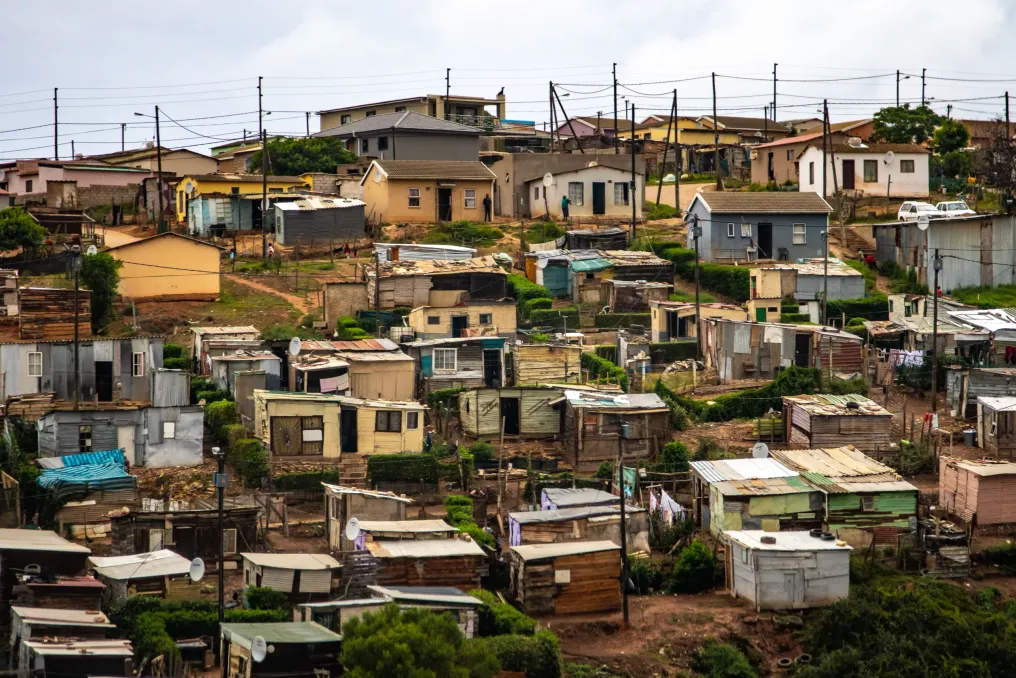
Township tourism does not imply pretending that South Africa's complex history does not exist. Quite the opposite. These communities hold stories of forced removals, segregation, resistance, and inequality, but they are not frozen in the past. They are living areas where people work, raise families, start businesses, create art, cook, socialize, and build a new future.
A good township experience should leave you with more than just photographs. It should introduce you to the people, history, and places you might otherwise miss, while ensuring that some of your tourism spending stays within the community itself. Fair Trade Tourism principles particularly emphasize the equitable distribution of tourism revenue, respect for local culture and human rights, and meaningful involvement of stakeholders. Therefore, when planning a township tour, look beyond the word 'authentic.' Ask who owns the experience, who runs it, where the money goes, and whether the route creates genuine opportunities for interaction with local businesses and residents.
South African townships deserve to be seen as more than just a chapter in the country's history. Go with a local resident, listen carefully, eat something, ask questions, and give yourself time to see the place beyond the view from a tourist vehicle. Only then does a township tour become more than just sightseeing. It becomes a way to understand South Africa through the people who know it best.
Some of the most striking tourist experiences South Africa offers are time-limited. Every year for several precious weeks, desert landscapes transform with wild flower blooms, whales arrive along the coast, cherry blossoms burst in gardens, aloe adorns the Karoo, and endangered sea turtles emerge from the ocean in the darkness.
While it is impossible to see all these spectacles in one trip, this route should be viewed as a series of seasonal chapters for a road trip, showcasing South Africa in its most unusual guise.
The journey begins in the Northern Cape, where winter rains awaken one of the world's most famous floral displays. In spring, for just a few weeks, the Namaqualand transforms into a dazzling mosaic of orange, yellow, white, and pink wildflowers covering valleys and hillsides.
It is recommended to drive from Cape Town through Clanwilliam and Nieuwoudtville, then head towards Springbok via the N7 highway. At least three to four days should be allocated to frequent stops, photographing the flowers, and leisurely exploring this region. Since the blooming depends on winter rainfall, each season is unique; checking flower reports before the trip can be very helpful.
Next, heading south, the West Coast offers another magnificent picture of spring. Here, flowering plants combine with turquoise lagoons, white beaches, and vast coastal landscapes. One can spend a day exploring the West Coast National Park, especially the Postberg section, which is open to visitors only during the flowering season. Near Langebaan and Hermanus, there are excellent bases for enjoying the coast after a day spent among the flowers.
From the West Coast, take a circular journey around the Cape Peninsula before joining one of South Africa's most picturesque coastal drives. The route from Gordon's Bay through Betty's Bay, Hermanus, and De Kelders offers breathtaking ocean views and wonderful opportunities to watch southern right whales from shore. Every winter and spring, southern right whales arrive at Walker Bay to give birth and nurse their young in protected waters. Watching these giants breach mere meters from the coastline is one of the most memorable wildlife experiences in South Africa. If you visit in late September or early October, the Whale Festival in Hermanus adds live entertainment, local cuisine, and marine conservation events.
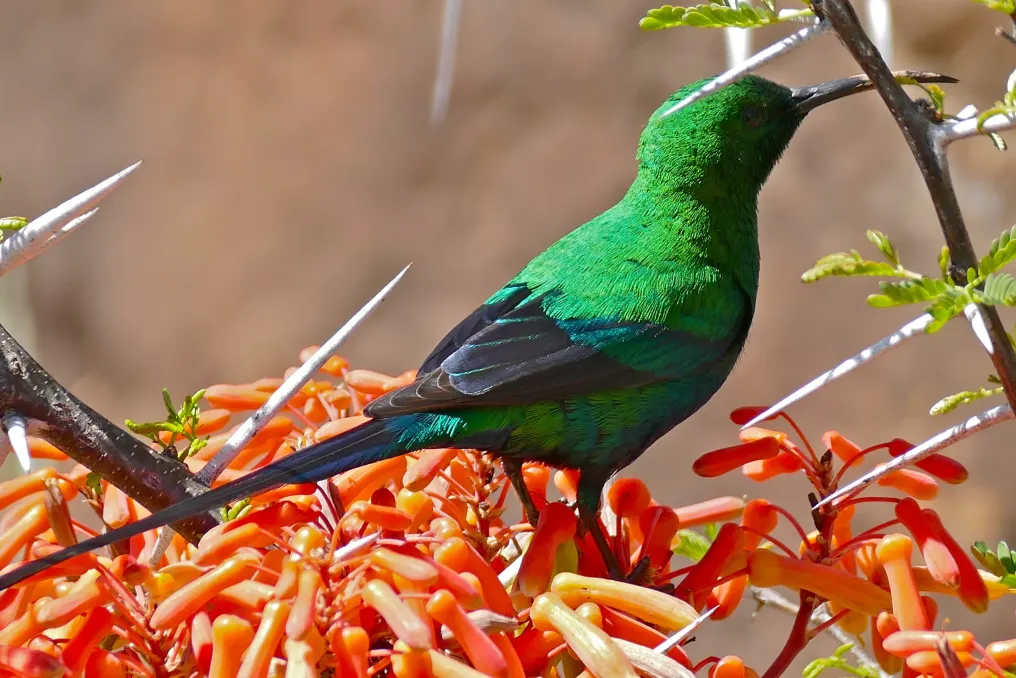
The journey then moves to the Eastern Cape, where winter transforms the landscape in a completely different way. Thousands of indigenous aloes bloom in vibrant orange and red hues, creating a stunning contrast with the dry Karoo terrain and attracting sunbirds, sugarbirds, and other nectar-feeding species. The trip includes visiting the Valley of Desolation overlooking Graaff-Reinet, exploring Cape Dutch architecture in the historic town, and going on safari walks in Addo Elephant National Park, where flowering aloes add bright colours to the bushveld.
The next part of the road trip leads to the sandy landscapes of the Eastern Free State, where the cherry season brings a burst of colour and flavour to the highlands. Just outside Furseburg, Ionia Cherry Farm opens its orchards for one of South Africa's most delightful seasonal experiences. For several weeks each year, visitors can stroll through rows of fruit-laden trees, pick their own cherries, and taste fresh produce straight from the farm. The season depends on the weather, making each harvest slightly different, but that is part of the appeal. It is recommended to base yourself in Furseburg and explore the surrounding areas of the Eastern Free State. Near Clerrens, there are art galleries, cafes, and mountain views, and the Golden Gate Highlands National Park is ideal for hiking, scenic drives, and photography. Together, they make it one of South Africa's most rewarding summer and early spring destinations.
The final chapter of this seasonal road trip leads to the northernmost part of the KwaZulu-Natal coast. Every summer, endangered Loggerhead and Leatherback turtles return to the beaches of iSimangaliso Wetland Park to lay eggs, continuing a migration that has lasted millions of years. Guided tours from Sodwana Bay and Cape Vidal allow visitors to see these magnificent animals emerging from the waves under the moonlight before they carefully bury their eggs in the sand. This is one of the most unusual wildlife encounters in South Africa, one that few have the opportunity to experience.
Since these spectacles occur at different times of the year, the best approach is to plan the trip around the season that interests you most. Each journey offers a completely different perspective on the landscapes and wildlife of South Africa. Although South Africa has countless attractions to enjoy year-round, the most magical moments often have an expiration date. Whether standing among millions of spring flowers, watching whales breach off a coastal cliff, admiring hills covered in flowering aloes, picking cherries straight from the tree, or watching sea turtle nesting under the starry sky—these are experiences that reward careful planning. Plan your road trip according to nature's calendar, and you will discover the side of South Africa that exists for only a few unforgettable weeks a year.
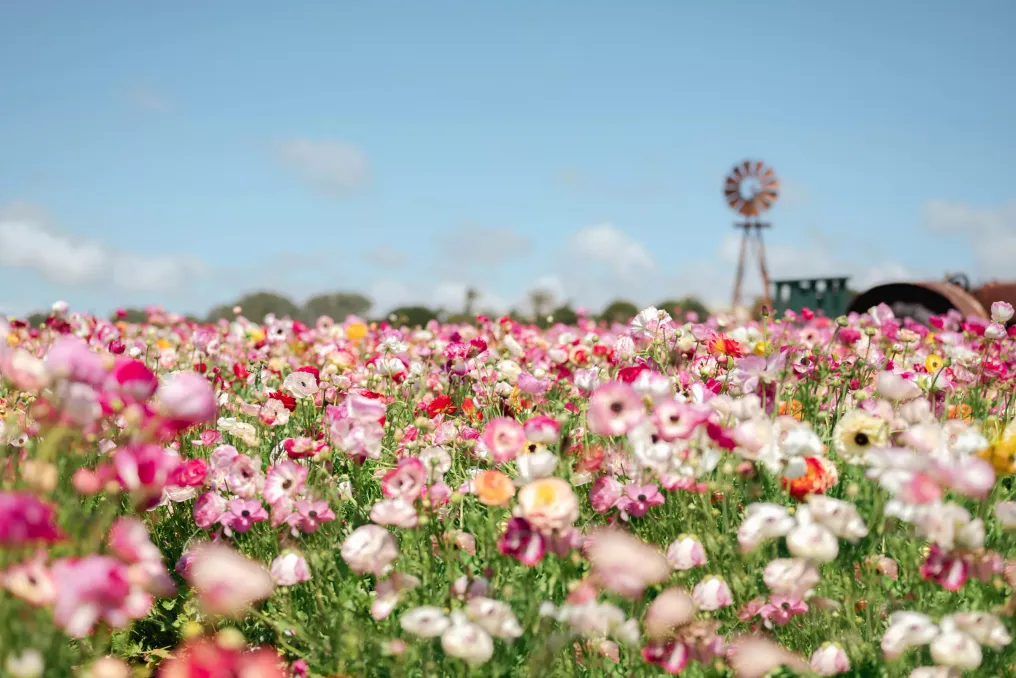
Spring in South Africa is traditionally associated with the lush blooming of wildflowers on the West Coast; however, there is a more personal way to enjoy the floral season—by visiting working flower farms. Instead of merely admiring flowers from behind a fence, visitors can stroll through the farms, gather seasonal stems into a basket, and leave with a bouquet picked by their own hands.
Flower farms across the country, from Cape Winelands to Bloemfontein and Benoni, open their doors to guests throughout spring and summer. Many of these farms were originally family holdings or small flower cultivation businesses but have since transformed into venues that offer guests a unique experience celebrating local flora, sustainable development, and slow travel. These farms provide some of the most memorable spring excursions for those wishing to pick flowers themselves in South Africa.
Tal Florals in Bloemfontein
What began as a commercial cut flower farm has evolved into one of the most renowned flower-picking spots in the Free State. Tal Florals grows seasonal flowers for florists and events but annually opens certain fields to the public during the picking season. Guests can wander among rows of seasonal blooms before cutting their own bouquet. Spring flowers include sweet peas, ranunculus, anemones, carnations, and stocks, while warmer months bring dahlias, lisianthus, celosia, zinnias, and garden roses.
Best time to visit: September to April, with spring offering the widest variety of cold-hardy flowers. Saturday mornings are reserved for flower picking.
How to book: Tickets must be purchased on the Tal Florals website prior to your visit. Visitors are advised to bring their own gardening shears and basket.
Flower Haven Farm in Benoni
Located within Shed & Silo in Benoni, Flower Haven Farm was created to introduce visitors to the process from field to vase. This family farm has become a botanical attraction combining flower picking with educational workshops and seasonal events. Unlike traditional flower farms focused solely on harvesting, Flower Haven encourages visitors to slow down, explore the gardens, and learn about growing seasonal flowers. During the blooming season, guests are given cuttings before heading to the fields to create their own bouquet.
Best time to visit: The blooming season typically runs from August to April, with weekends open depending on weather conditions. It is recommended to visit early in the morning for the freshest flowers.
How to book: Visits are welcome without prior booking, although advance reservation is recommended for large groups. Opening dates and seasonal updates are published on the farm's website.
Adene’s Farm Flowers in Gauteng
Although Adene’s Farm Flowers is best known for its Western Cape flower farm, it also hosts its popular 'Pick Your Own' experience in Gauteng every spring at The Big Red Barn in Olifantsfontein. The farm, founded by gardener Adene Cronje, specializes in premium cut flowers, opening its gates on specific dates each year for beloved Open Days. Visitors are invited to walk through the flower fields, enjoy the beautiful scenery, and purchase fresh bouquets directly at the source. This experience is more focused on celebrating local flowers in peak season than on the act of picking itself.
Best time to visit: Spring, especially between August and October, when Open Days are usually held.
How to book: Open Day dates are announced on the Adene’s Farm Flowers website, and online booking is required before visiting.
Chart Farm in Stellenbosch
Long before flower farms became popular weekend destinations, Chart Farm was already welcoming visitors to its rose gardens. Established in the 1960s on the historic Klaasensbosch estate in Stellenbosch, it remains one of Cape Town's oldest rose farms. During bloom time, visitors can stroll among thousands of roses with Table Mountain rising in the background. Fresh roses can be bought directly on the farm, making it a favorite spot for photographers and gardeners.
Best time to visit: October – November, when the roses are in full bloom.
How to book: Advance booking is usually not required for general visits. Current operating hours are available on the Chart Farm website.
Akanaka Blooms in Johannesburg
Akanaka Blooms recently relocated to Walker Fruit Farms in De Deure, south of Johannesburg. This boutique flower farm focuses on organic seasonal flowers and offers visitors the opportunity to get closer to the flowers at their point of origin through workshops and seasonal events. Rather than large-scale tourism, Akanaka offers intimate experiences centered around flowers, creativity, and the changing seasons.
Best time to visit: Spring and early autumn, when seasonal flowers are in full bloom.
How to book: Workshops and seasonal events are posted throughout the year on the Akanaka Blooms website, and advance booking is recommended.
Flourish Urban Flower Farm in Cape Town
Flourish Urban Flower Farm proves that extensive rural land is not necessary to grow magnificent flowers. This urban flower farm was established to provide local seasonal flowers and promote sustainable floriculture within the city. Throughout the blooming season, Flourish hosts workshops and periodic open farm events where visitors can learn about cut flower cultivation, bouquet composition, and supporting local florists.
Best time to visit: Spring until early summer.
How to book: Workshop and visit dates are announced on the Flourish Urban Flower Farm website.
Femme Petale Flowers in Pretoria
Located near Pretoria, Femme Petale Flower Farm cultivates seasonal flowers, offering visitors a chance to see locally grown blooms in a tranquil rural setting. The farm is known for its floral workshops, events, and thoughtfully curated experiences dedicated to seasonal flowers. While primarily known for weddings and floral design, the farm also hosts seasonal events and workshops allowing visitors to connect with the flowers behind the arrangements.
Best time to visit: Spring and summer, when seasonal flowers are at their best.
How to book: Upcoming events and workshops are listed on the Femme Petale Flowers website.
There is a deep satisfaction in leaving a flower farm with muddy boots, tired hands, and a bouquet picked by your own hands. These experiences invite travelers to slow down, appreciate the rhythm of the seasons, and discover the people who cultivate some of South Africa's most beautiful flowers. As the blooming season has now begun in many parts of the country, these farms offer a refreshing alternative to typical spring trips. Whether you plan a road trip or a short weekend getaway, picking your own flowers in South Africa is one of spring's simplest pleasures.