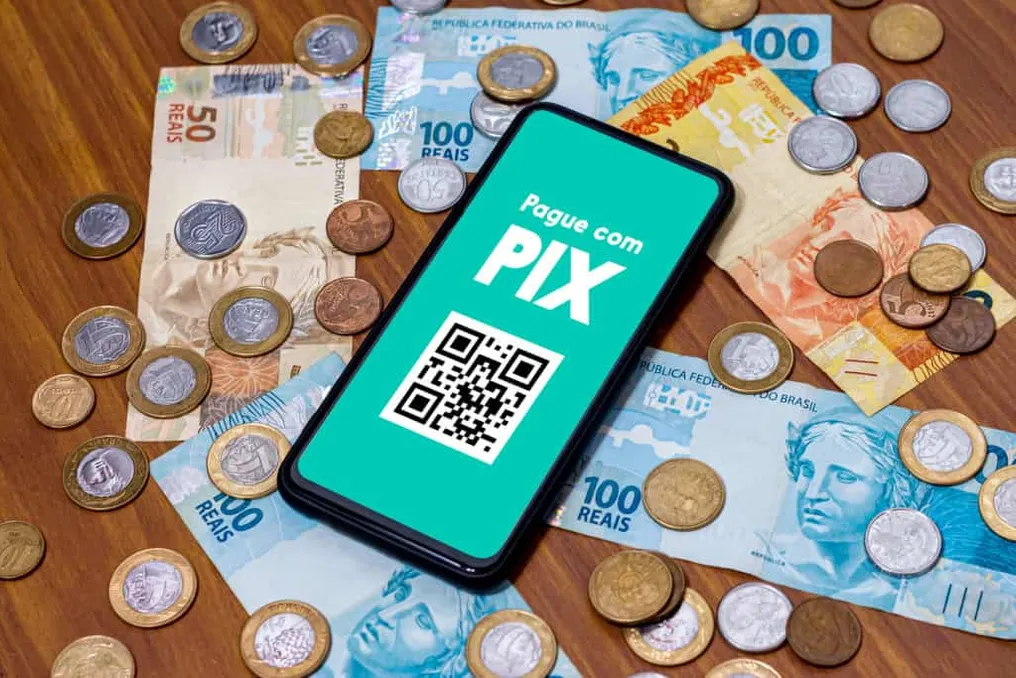
The instant payment system Pix has the potential to operate beyond Brazilian borders, as the Central Bank is analyzing the connection of this system with equivalent platforms from other nations. This integration aims to simplify and make international transactions more accessible.
While this discussion continues, Pix has been subject to questioning by the United States government, which included it in a trade investigation regarding practices considered unfair.
The Central Bank communicated that authorities are debating both bilateral connections and the possibility of participation in multilateral payment structures, seeking to bring Pix closer to global instant payment systems. According to a report, this union could result in reduced costs, faster operations, increased reach, and improved clarity of international payments.
This initiative marks progress compared to the Pix management report released by the BC in 2023, where the institution only mentioned that the system had the potential to be integrated into international instant payment platforms in the future.
The movement already covers other countries; in July, the Central Bank notified Reuters that it had established information exchange agreements on Pix with 65 foreign entities, including Germany, Canada, South Africa, and Turkey.
Launched at the end of 2020, Pix revolutionized the payment market in Brazil, allowing real-time transfers via banking apps, offering free operations between individuals and much lower costs for merchants. This dynamic contributed to reducing the relevance of traditional payment methods and impacted global card networks, such as Mastercard and Visa.
Data from 2025 help measure this advance, which occurs in a context of commercial pressure from the United States. A finalized investigation in July raised concerns about the dual role of the Central Bank, acting simultaneously as regulator and operator of Pix.
Implications of the Trade Investigation
The conclusion of this investigation served as the basis for imposing new tariffs of 25% on Brazilian products imported by the US. The Pix system was mentioned by the administration of President Donald Trump among the practices considered unfair.
Despite external pressure, the Central Bank maintained its position in the report, arguing that Pix constitutes an essential public digital infrastructure. If international links advance, the system may enter a new stage after being consolidated as one of the main payment methods used in Brazil.