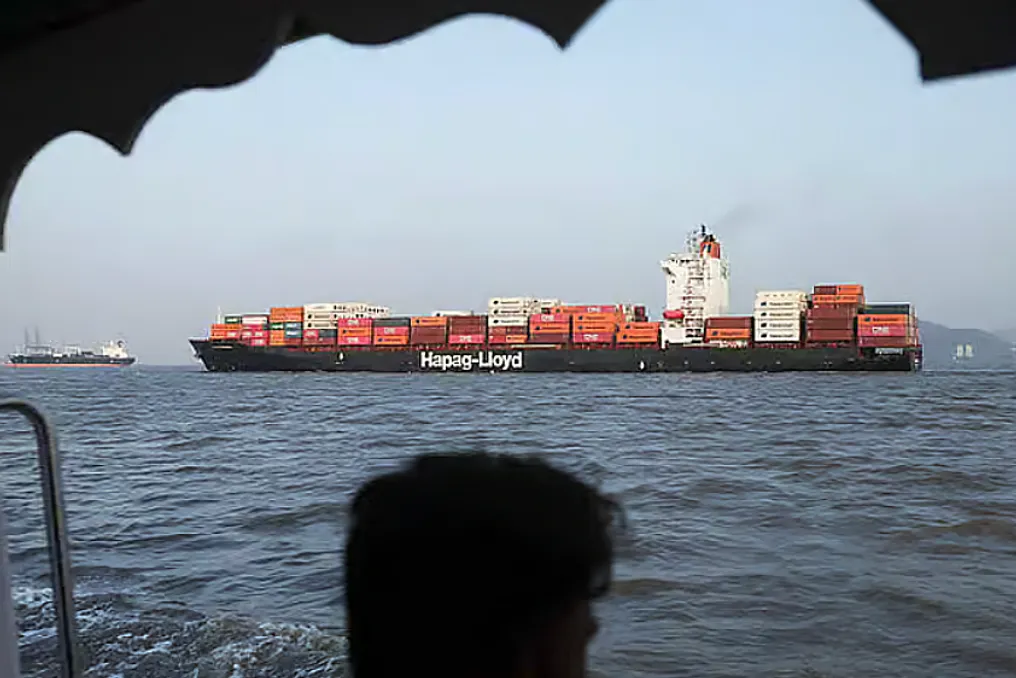
The All India Union of Seafarers has filed an appeal regarding the refusals of C1/D visas faced by Indian seafarers seeking employment on cruise ships.
The All India Union of Seafarers has filed an appeal regarding the refusals of C1/D visas faced by Indian seafarers seeking employment on cruise ships.
The union reported receiving a growing number of requests from both newly qualified and experienced Indian seafarers who applied for jobs on cruise liners but were denied C1/D visas.
India is one of the world's largest sources of skilled seafarers; however, the union warned that a single visa refusal can have serious and long-term consequences for a seafarer's career.
In some cases, a previous refusal complicates candidates' search for work with other cruise companies, as this information is included in their visa history and may affect future assessments.
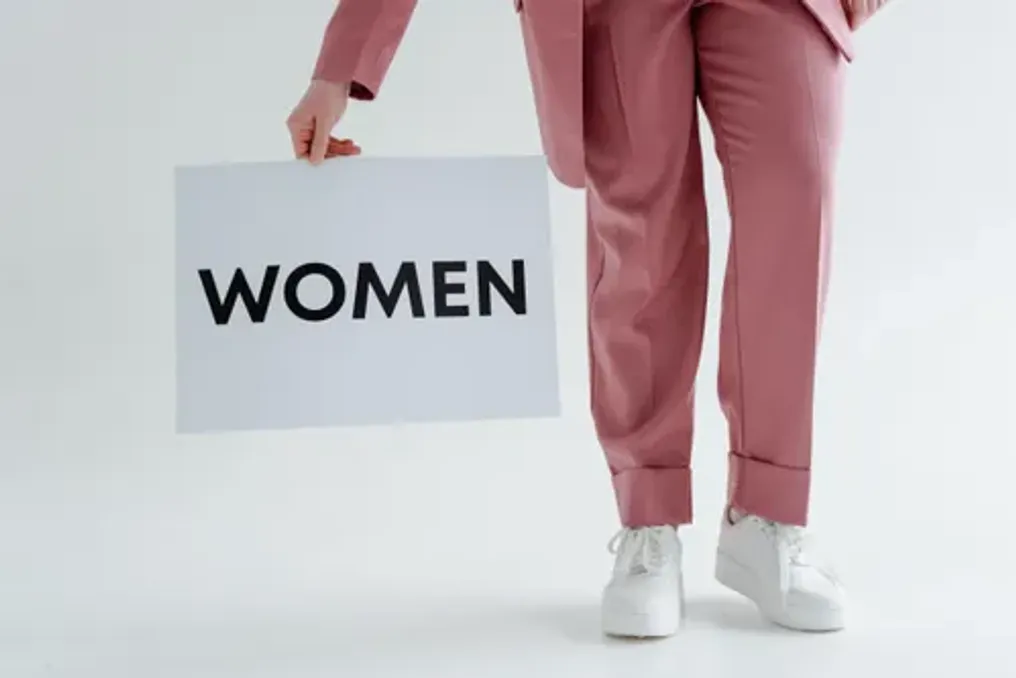
During Women's Month, it is necessary to acknowledge an undeniable truth: the economy is supported by unpaid female labor, yet their struggle remains unnoticed. It is time to move beyond mere praise to real action and address the systemic inequality that burdens women.
In South Africa, the cost of any failure in public services often falls on women. When childcare services are unaffordable, someone has to stay home. If clinics are hard to access, someone takes care of the sick. In times of food shortages, someone must decide how to stretch existing supplies. This person is most likely to be a woman.
"Women's work" does not appear in national accounts, municipal reports, or government budgets. It is described as duty, motherhood, sacrifice, or, especially during Women's Month, resilience. However, South Africa must face an unpleasant truth: the country runs on an invisible social safety net financed by the time, labor, health, and lost opportunities of women.
Every year, South Africa commemorates the women who marched to the Union Buildings on August 9, 1956. Nevertheless, their legacy should prompt society to do more than just praise women's strength. It should make us consider why women are still forced to bear the burden created by unequal households, inadequate public services, and an economy that undervalues care.
The language of resilience can inspire, but it can also mask institutional failures. A woman who wakes up early to fetch water due to the lack of a reliable source in her community may be resilient. A grandmother supporting several children on a meager stipend may be resourceful. A mother who declines paid work because childcare costs exceed her earnings may be making a rational decision. But these are not just stories of courage—they are evidence of systemic failure.
New York is at the center of a dispute between Mayor Zohran Mamdani and major distribution companies after the Democrat supported the Delivery Protection Act. This bill aims to mandate the direct hiring of workers responsible for deliveries.
The proposal, which is currently under review by the City Council and has over 30 supporters, focuses mainly on the operational model adopted by giants like Amazon and FedEx. This model involves outsourcing package delivery to companies that manage and hire the drivers and couriers.
The debate polarizes unions and proponents of the law, who criticize outsourcing for creating precarious working conditions and hindering union organization. Conversely, Amazon and its partners warn of potential cost increases, slower deliveries, and the risk of operations leaving the city.
Mamdani's statement, made on Monday (10th), marks one of the first challenges to his stance in confronting corporate interests in favor of low-wage workers. He took office with the backing of the Democratic Socialists of America and has already participated in events for unionized workers and strikes.
Councilwoman Tiffany Cabán introduced the bill, and it received endorsement from Public Defender Jumaane Williams during a hearing of the Consumer and Worker Protection Committee in April. Proponents argue that the change will prevent large corporations from evading labor responsibilities through subcontractors.
This issue is relevant in a metropolis where delivery services move nearly one billion packages annually. Supporters of the legislation claim that using third parties allows large distributors to cut personnel costs and evade minimum wage and benefit rules applicable to direct employees.
However, Amazon has mounted a strong corporate front to block the measure. The company mobilized entities such as chambers of commerce and the Real Estate Board of New York, while unions estimate that the company invested over US$ 5 million in a campaign against the bill, including television advertising.
A study commissioned by an Amazon-funded organization calculated that the new legislation could raise the cost of each package by up to US$ 5.20. The same survey predicted an annual impact of up to US$ 664 per household and classified the proposal as a threat to the city's logistics structure.
The company also alleged that the change would jeopardize more than 5,000 jobs linked to delivery companies. In a statement cited by the New York Times, spokesperson Kelly A. Nantel declared that the company considers the law incompatible with its commitments to workers and small local partners, and that Amazon might consider transferring its operations outside of New York.
Proponents of the proposal refute this threat. Thomas Gesualdi, president of Teamsters Joint Council 16, believes this moment signals a transformation in the dynamic between municipal government, workers, and companies. The union plans to extend the campaign to other cities if New York passes the legislation, given that a similar proposal has already been presented in Chicago.
Driver compensation is also a point of discussion. Data presented indicates that these workers start earning around US$ 20 per hour in New York, with an average close to US$ 24. An agreement reached by the Teamsters with an Amazon contractor in California established approximately US$ 30 per hour.
Worker accounts illustrate the union's concern. Luc Rene, an Amazon van driver for almost four years, reported transporting up to 400 packages in a day and receiving refusals when requesting smaller loads during periods of extreme heat or after blizzards. The company did not specifically comment on these allegations but stated that it adjusts routes according to weather conditions.
In contrast, business owners who work as Amazon contractors present another viewpoint. Rudy Cazares, owner of companies that deliver for Amazon and FedEx, argues that these partners remain responsible for decisions such as hiring, firing, and promoting employees. He believes the debate should not be limited to a dispute between workers and a large corporation, as small businesses also depend on the current distribution system.
A study by the consultancy AKRF, funded by an entity linked to Amazon, reinforces that the proposal could destabilize the urban distribution network. The survey also observed that 83% of last-mile facility workers reside outside Manhattan and about 80% are minorities, a data point used by opponents to question impacts on lower-income communities.
If the City Council approves the measure and Mamdani signs it, New York could become the first American city to establish specific standards for these last-mile operations, according to the Teamsters. Thus, the decision transcends the conflict between the mayor's office and Amazon, potentially serving as a model for other municipalities and states interested in limiting the use of outsourced labor in the delivery sector.
Pharmacists from Portuguese-speaking countries have requested the creation of a Pharmacists' Order in Mozambique. According to the organization's secretary-general, Ricardo Santos, this Order would be fundamental for addressing public health challenges, drug policy, patient safety, and expanding access to healthcare.
Through a statement, AFPLP sent a letter to Mozambican authorities advocating for the establishment of the Pharmacists' Order of Mozambique. The organization emphasized the relevance of this measure to value the profession and strengthen the quality and safety of health services, committing to support the process.
This position was formally communicated by AFPLP to the President of the Republic, the President of the Assembly of the Republic, and the Minister of Health, appealing for the Order to function as an autonomous body for professional regulation.
AFPLP argues that establishing the Pharmacists' Order of Mozambique represents a significant advance both for the development of the pharmaceutical area and for strengthening this sector. The institution, which groups associations of professionals from Lusophone countries such as Mozambique, Angola, Brazil, Cape Verde, Guinea-Bissau, and Portugal, highlights the role of these bodies in the independent regulation of the profession, aiming to guarantee high standards of ethics, responsibility, qualification, and independence in professional practice.
For AFPLP, the existence of an Order in Mozambique would also help increase the confidence of citizens and institutions in professionals, in addition to promoting greater participation of pharmacists in the formulation and execution of health and drug policies.
The Lusophone institution declared its willingness to assist Mozambican authorities during the process of creating the future professional order. This initiative is seen as an opportunity for Mozambique to demonstrate its commitment to the valuation and progress of the pharmaceutical profession, especially at the XV World Congress of Portuguese-Speaking Pharmacists, which will take place in Maputo from November 25 to 27 this year.
On June 23, 2025, Lusa reported that the Portuguese Pharmacists' Order would offer support for the training of pharmacists in Mozambique. This support included the creation of communication campaigns about the importance of these professionals and the proper use of medicines, as informed by the president of Afarmo, Bélia Muchanga.
A protocol was signed in Maputo, establishing a collaboration between Afarmo, the Mozambican National Drug Regulatory Authority (Anarme), and the Portuguese Pharmacists' Order. This agreement stipulated that the Portuguese Order would assist Mozambican professionals in developing concrete actions for the regulation of the sector, as detailed by Bélia Muchanga.
In addition to training Mozambican professionals in creating educational materials for radio, television, and digital platforms, Portugal planned to support the country in awareness initiatives regarding the role of the pharmacist and the rational use of drugs, specifically combating self-medication. Bélia Muchanga added that the protocol covers assistance in creating educational messages for health units on these same topics.
Bélia Muchanga, besides leading Afarmo, assumed the presidency of AFPLP in 2024, an organization that encompasses over 400,000 professionals. The Association of Pharmacists of Mozambique (Afarmo) has 250 members, with a total of 1,700 registered pharmacists in Anarme, according to data provided by Bélia Muchanga.