The Chairman of the Board of the Association of Railway Transport and Related Services emphasized the high resilience of the country's transport system. He noted that by implementing managerial, political, and programmatic measures, the cargo capacity and passenger flow of the existing railway and road network can be increased by up to fifty percent without the need for large-scale infrastructure development.
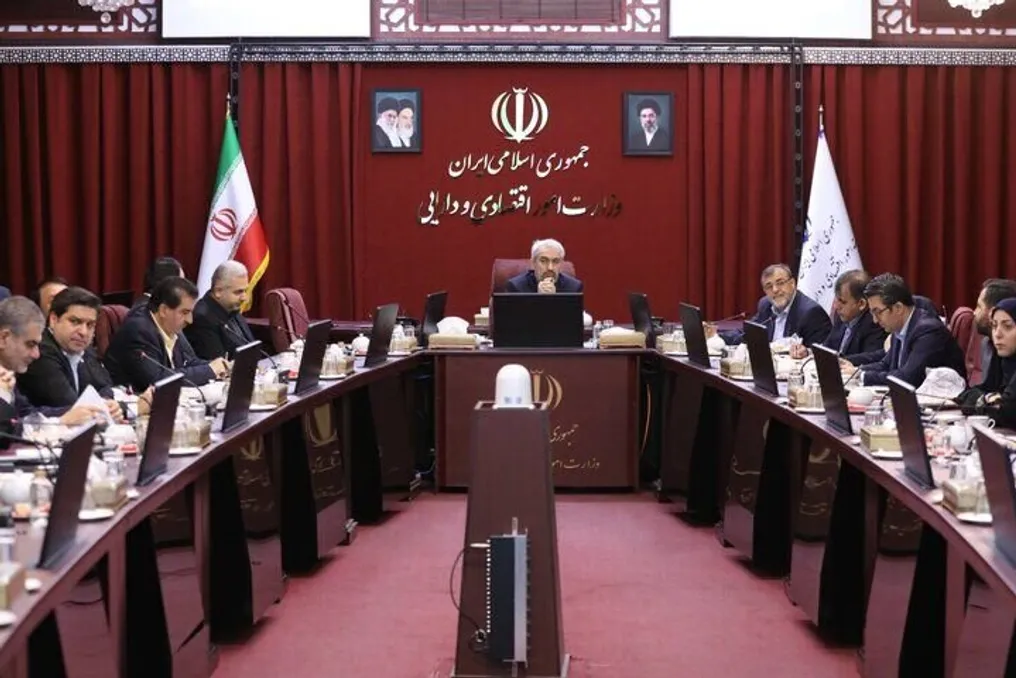
According to IRNA, Sobhan Nazari stated during a press conference on Monday the importance of this resilience. He pointed out that there is currently a kind of competition for stability, as the Persian Gulf is a major international waterway, and any restrictions on it affect not only Iran but also the economies of other countries dependent on raw material and goods supplies.
Nazari added that the potential of the country's railway and road transport network should be assessed beyond current conditions. Any volume of goods entering the country through ports must subsequently be transported via the land transport network, including railways and roads.
Referring to trends in freight transportation over the last decade, he reported that the total volume of freight transported by road and rail in Iran has grown from approximately 211 billion ton-kilometers to 329 billion ton-kilometers. This growth occurred against the backdrop of sanctions and various economic difficulties faced by the country.
The Chairman of the Board of the Association of Railway Transport and Related Services continued, noting that Iran's economy, calculated by purchasing power parity, is among the largest global economies, and the size and efficiency of the transport network are proportional to this position. Analysis of indicators such as the length of railway and road networks, the number of vehicles, wagons, and trucks, shows that Iran ranks among 15–20 countries in the world across many of these parameters, and the size of the country's transport network has been expanding over the last two to three decades.
Nazari specified that although productivity in some sectors, including road transport, may temporarily decrease during crises, the long-term trend of freight transportation in the country remains upward, indicating the significant resilience of Iran's transport system. He also noted that the diversity of road and rail border connections and access to various ports make Iran one of the countries with a high diversity of transport routes, while its road and rail networks are among the longest in the world.
The Association Chairman stressed that the diversity of routes and the vastness of the network have increased the country's resilience to disruptions. In some cases, the stability of the transport network exceeded initial forecasts, preventing the realization of pressure goals exerted on the country. However, he emphasized that from a transport perspective, Iran is capable of succeeding in the competition for resilience, but the railway and road networks are used inefficiently, and a significant portion of the available capacity remains unused.
Nazari reiterated that through a set of programmatic, managerial, and political measures, without the need for capital construction of new infrastructure, cargo and passenger transport on the existing network can be increased by up to 50 percent. Consequently, there are no serious concerns about the physical capacity of the network; the main problem lies in improving productivity and reforming the management approach.
The Association Chairman also pointed out that low productivity and quality in the transport sector are fundamental problems of the country's economy. The productivity of trucks and wagons in Iran is estimated at about one-third to one-fourth of optimal global standards, and the productivity of the railway network is about one-tenth to one-fifteenth of global norms. Sobhan Nazari, commenting on the gap between the transport industry and the media, added that managers and experts in the transport industry are not closely connected enough with the media, so the problems of this sector have not become a sufficiently public concern.
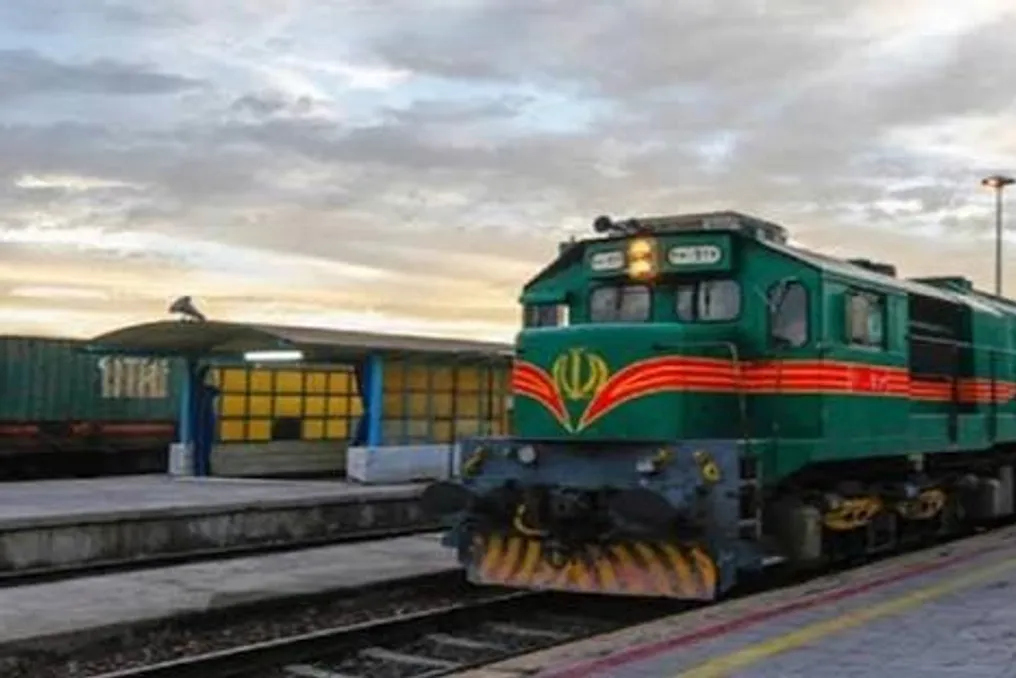
Regarding wagon imports, he reported that under current conditions, the import of cargo and passenger wagons is prohibited, while the import of locomotives is possible under certain conditions. Nevertheless, transport activists believe that owning wagons is more important now than their production. Nazari also noted that the share of rail transport in the country's freight transport currently accounts for about 8 percent, whereas the five-year plan aimed to reach 30 percent in freight transport and 20 percent in passenger transport, which was not achieved. The reason cited for not reaching these goals is the shortage of rolling stock, and liberalizing wagon imports could partially solve this problem, but this does not mean ignoring the capabilities of domestic producers. He stressed that local wagon manufacturers have sufficient capacity to meet the country's needs, and it is incorrect to say there is no production potential. The main problem in recent years has been the lack of orders and reduced investment attractiveness in the railway industry. Nazari referred to Article 12 of the Law on Removing Barriers to Competitive Production and Improving the Country's Financial System, according to which the government committed to paying for the purchase price of wagons for several years after they began operation. Implementing this commitment could increase the internal rate of return on investment and reduce the payback period. He called on the government to increase the industry's investment attractiveness by utilizing the potential of the Energy Optimization and Strategic Management Organization. The Association Chairman concluded that the decision on the necessity of importing wagons can be made after creating economic attractiveness and attracting investors, as imports must be carried out within the framework of real market demand and after utilizing existing capacities.
Concerning the activities of funds and so-called 'quasi-state' structures, Nazari noted that some of them, despite lacking state shares, are managed in a state-like manner, and their results are subject to strong fluctuations. Last year, subsidiaries of the Railway Workers' Savings Fund were able to achieve a profit 130 percent higher compared to the previous year. Part of this growth is related to inflation, and another part to the better performance of the subsidiaries, but a sharp increase in profit in one year may indicate the instability of these structures and does not guarantee the continuation of such a trend. He also noted that large-scale enterprise management always involves managerial risks, and even in the private sector, a change in CEO can seriously affect the company's financial performance. Nevertheless, experience has shown that the private economy is usually managed more flexibly, productively, and honestly, so it is proposed that funds and similar structures distance themselves from direct enterprise management. Instead of owning 90 or 100 percent of enterprises, they could manage their capital as a diversified portfolio of about 200 types of short-term and liquid investments, including stocks, securities, gold funds, and other financial instruments.
The Association Chairman, commenting on the impact of fuel prices on competition between rail and road transport, stated that the very low price of gasoline and diesel fuel in Iran artificially keeps the costs of road and passenger transport low, allowing cargo owners and passengers to easily choose the road option. He compared this to the situation in the 20 largest global economies, where about half of the cargo is transported by mass transit, and in some countries, the combined share of railways and inland waterways reaches 80 percent, whereas Iran lacks effective inland waterways, and the share of railways is only about 8 percent. Nazari suggested that a reasonable, gradual fuel reform, accompanied by complementary transport policies, could lead to an increase in public transport capacity, especially rail. However, before implementing such a policy, real development of public transport must be ensured to make more passenger carriages and buses accessible to the population.
He also noted that the long-term effect of price reform will be more rational decision-making in other sectors of the economy. For example, some steel mills were built in locations far from water resources or ports and do not have a good export position; however, due to the small share of fuel and transport costs in initial calculations, their poor location proved to be economically justifiable. The consequences of such location decisions can persist in the country's economy for decades or even centuries, as limited water resources must be allocated to these industries, and a large amount of fuel is consumed for transporting raw materials and products. Nazari stressed that the real cost and opportunity cost of diesel fuel are not taken into account in industrial placement calculations, as transport costs constitute a very small share of production costs. For instance, in the financial statements of some Iranian steel companies, transport costs may account for only 2–2.5 percent of revenue, whereas this figure is significantly higher in comparable foreign companies. He concluded that hidden subsidies on energy, water, and transport accumulate in the financial statements of some industries, increasing their profit margins, while in most large global companies, annual profitability is more constrained. As a result, some links in the value chain become highly profitable due to energy rents and hidden subsidies, while others incur costs, meaning logistics, water resources, and the power grid support the profitability of poorly located industries.