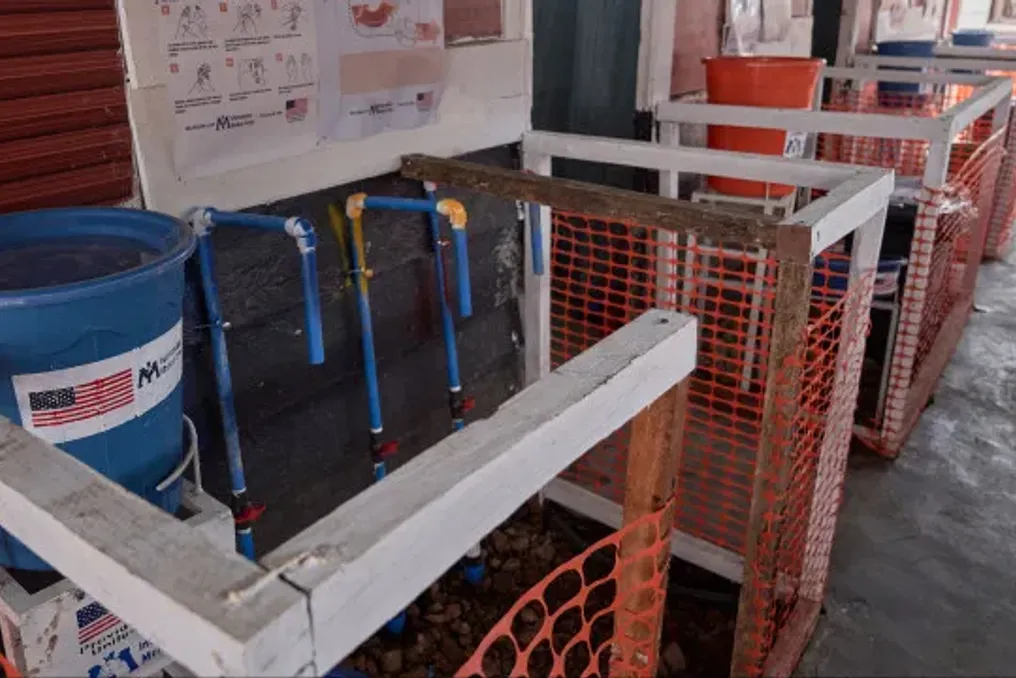
Genetic studies conducted by Professor Ahuka, who coordinates the epidemic response at the National Institute of Public Health of the DRC, indicated that the virus began circulating in February, although the outbreak was only formally declared on May 15th.
Mohamed Yakub Janabi, WHO Regional Director for Africa, communicated these findings during a press conference held in Bunia. He stressed that this four-month delay implies that the fight against Ebola is behind schedule and that the virus is ahead of the response actions.
The situation is aggravated by several factors, such as a higher dissemination rate than other epidemics, the spread of the disease to neighboring Uganda, the absence of vaccines or specific treatments for this strain, and the context of insecurity in eastern Congo, driven by the conflict between rebel groups and the army.
The high-ranking WHO official warned that about 70% of victims are dying in their own homes, thus calling for greater public engagement in the fight against Ebola. Janabi questioned why citizens are not seeking hospitals, given that two-thirds of the sick are not being identified.
The official also lamented the low level of awareness about Ebola in the community.
The current epidemic represents the second largest outbreak in the history of the DRC in terms of registered infections, surpassing the outbreak that occurred in eastern Congo between 2018 and 2020, which resulted in 3,481 cases and 2,299 deaths. According to the WHO, this is the seventeenth epidemic to affect the DRC and has the fastest infection growth rate compared to any other outbreak since its declaration.
However, the situation does not yet compare to the worst Ebola epidemic in history, which took place in West Africa between 2014 and 2016, causing approximately 28,000 infections and around 11,000 deaths.
Uganda, a neighboring country where the disease also spread, announced it was Ebola-free on July 28th, after confirming 20 cases, including 15 brought from the DRC, of which two deaths were recorded.
The epidemic in question is associated with the 'Bundibugyo' strain, whose mortality rate ranges between 30% and 50%, and for which the WHO has no authorized vaccine or specific treatment. The Ebola virus is transmitted through direct contact with the body fluids of infected individuals or animals, causing severe hemorrhagic fever, vomiting, diarrhea, and internal bleeding.