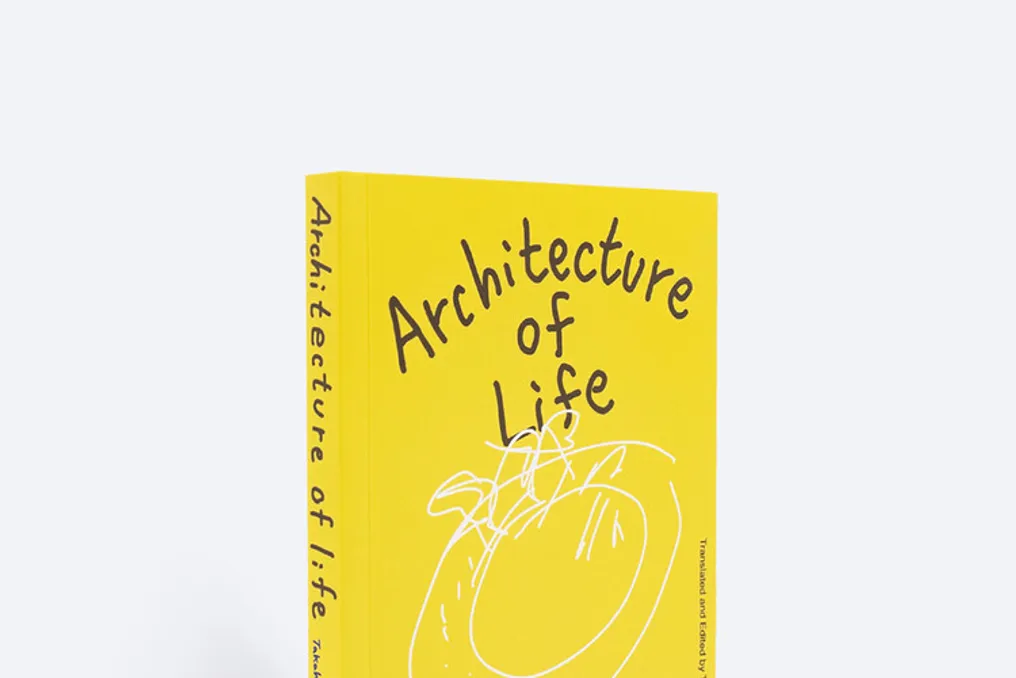
The book 'Arquitetura da Vida' is the first collection of essays in English from a renowned architectural couple whose works include well-known projects such as Fuji Kindergarten and Roof House, alongside numerous other creations.
The book 'Arquitetura da Vida' is the first collection of essays in English from a renowned architectural couple whose works include well-known projects such as Fuji Kindergarten and Roof House, alongside numerous other creations.
Beyond blueprints and photographs, this book addresses a philosophy that is simultaneously radical and obvious: how to create comfortable spaces and places that foster the unfolding of human experience through freedom, dignity, and joy.
The authors base their essays on personal life experiences, as well as on the trajectories of people who have inspired them. They integrate cultural and philosophical concepts borrowed from Japan and other regions.
These essays demonstrate how architecture can unite people with each other and with the surrounding world. By combining personal narrative and philosophical reflection, the book serves as both a critique of current circumstances and a manifesto in favor of new approaches.
In a recently published slim volume with yellow margins, released by the Portuguese publisher Circo de Ideias, architect Paulo Martins Barata (co-founder of Promontório) puts forward a bold assertion hidden behind apparent simplicity: architecture created in Europe after the Great Recession does not belong to either of the two domains that shaped heated discussions in the discipline during the 20th century.
The book The Language of Metamodern Architecture borrows its name with obvious irony from Charles Jencks' book The Language of Post-Modern Architecture (1977). It was in this book that Jencks famously proclaimed the death of modern architecture at 3:32 PM on July 15, 1972, which was linked to the demolition of Pruitt-Igoe.
Barata believes that another, never officially confirmed death occurred around 2008, and that architecture largely lives, without realizing it, around this 'headstone.'