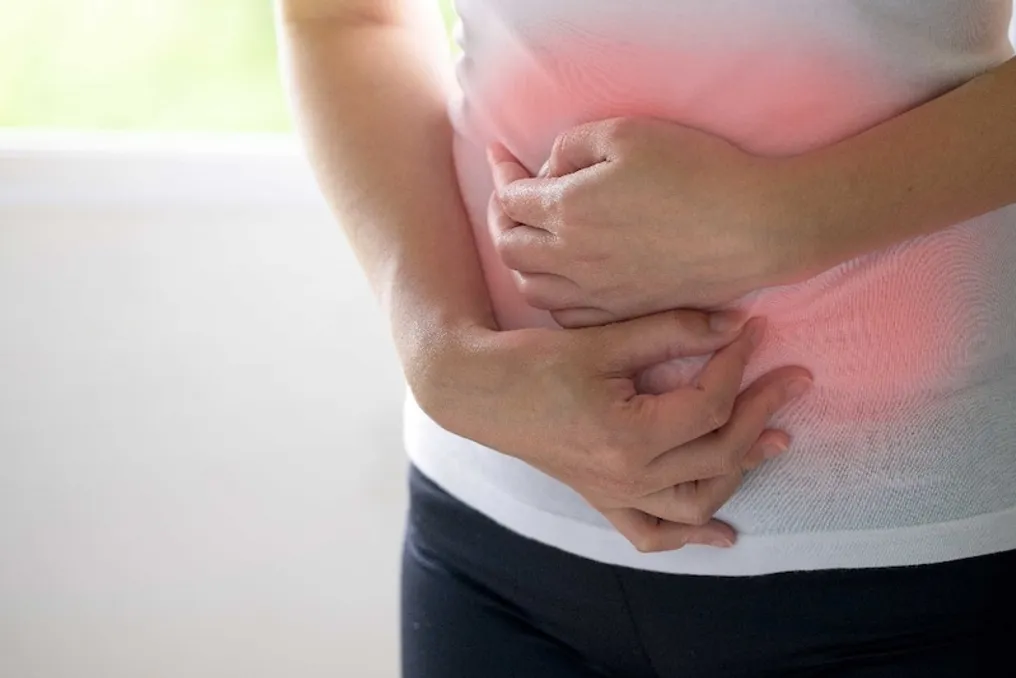
Gastrointestinal diseases become more common during the rainy season. If you experience stomach pain during this time, these symptoms should not be ignored. It is important to understand why the pain occurs, what diseases it may indicate, and how to prevent their development. Experts note that the number of problems related to the stomach and intestines increases during this period. Mild abdominal pain or discomfort, if not treated in a timely manner, can quickly turn into a serious condition, and in some cases, the pain can be very severe.
Professor Dr. Jugal Kishor, Director of Community Medicine at Safdarjung Hospital, explained why the incidence of gastrointestinal disorders increases during the rainy season. He stated that due to the rain, sewage drains often overflow, and water accumulates in various places, allowing dirty water to enter clean water sources. Consuming or using such water without proper purification can lead to the entry of harmful bacteria, viruses, and parasites into the body.
Furthermore, street food poses a health risk during this season. Dr. Jugal emphasized that street food vendors often lack the ability to prepare food in hygienic conditions and have access to clean water, making favorite snacks potentially harmful. Warm and humid weather is ideal for bacterial multiplication. Microbes actively multiply in kitchen sponges and dishes as well as in food scraps, increasing the risk of foodborne illnesses.
Stomach infections can manifest in various ways, and recognizing early signs helps avoid severe dehydration or other complications.
Sudden nausea and vomiting are often the first warning signs; if vomiting occurs, it is the body's way of expelling toxins or irritants. Abdominal pain or spasms, especially after eating, may indicate an infection, and it should not be dismissed as mere indigestion. Frequent loose stools can lead to rapid dehydration, and if diarrhea lasts more than two days, a doctor should be consulted.
Stomach pain can be a symptom of food poisoning, constipation, heartburn, ulcers, or typhoid.
For prevention, it is recommended to consume only clean or boiled water, avoid drinking tap water or water sold by the roadside, and refrain from eating raw food found on the street. Always consume freshly prepared and hot food.