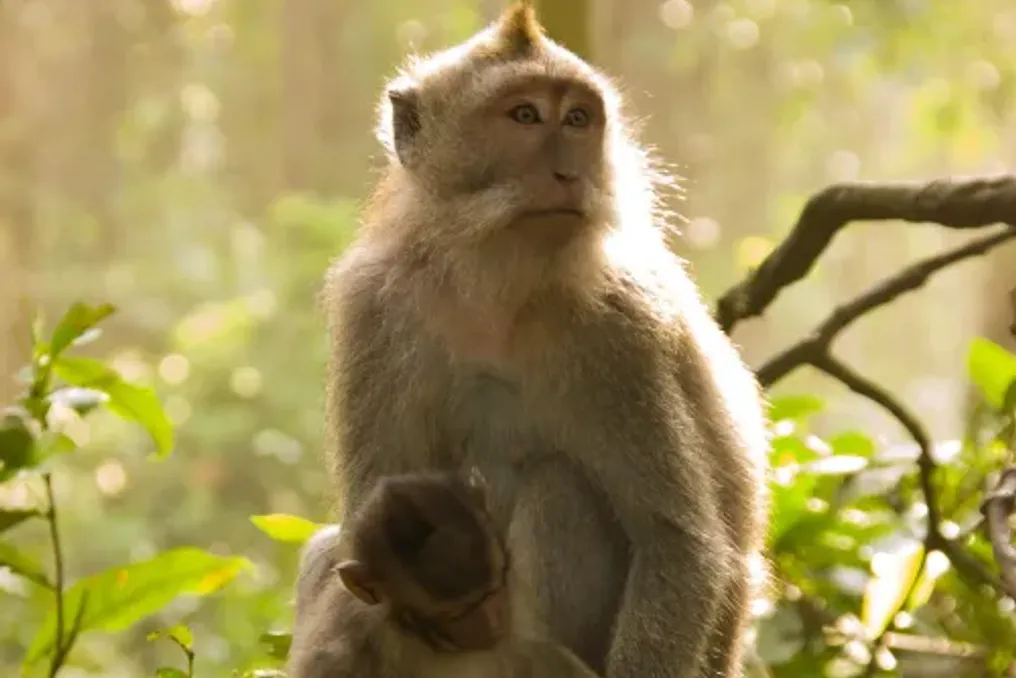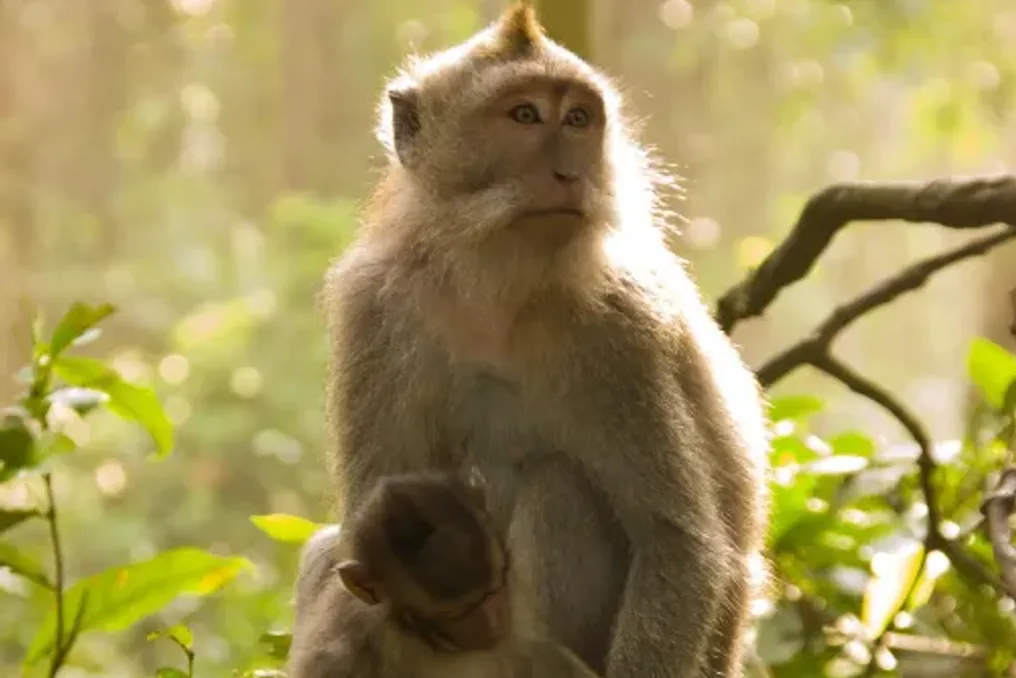
Animal traps ended the two-week rampage of a monkey that made random attacks on 18 residents of Sumatra Island in Indonesia, forcing the closure of dozens of schools due to fear.
The adult long-tailed macaque injured eighteen citizens in the city of Tembilahan by biting and scratching victims, most of whom were alone. Among the injured were elderly people and children.
Junaydi Ismail, head of the Tembilahan fire and rescue service, told AFP on Friday that 19 attacks had been recorded so far, with 18 people becoming victims, and one victim was attacked twice. Some of the people required more than a dozen stitches and a rabies vaccination.
The monkey was caught on Thursday in a trap set in the city, and the rescue service published a video on Friday showing the animal alive and visibly stressed in the cage.
Local Authorities' Concerns
City official Ari Suria urged residents to remain vigilant, as there is a possibility that the monkey might be part of a group. Ari stated in an Instagram post that 'there is a concern that there may be other monkeys attacking people.'
Forty schools remained closed on Friday, and hundreds of Tembilahan students were assigned three days of online lessons. The local government announced in a statement that school doors would open on Monday if the situation was deemed safe.
Easy Prey
The monkey was transported to Pekanbaru, the capital of Riau province in Sumatra, where an environmental agency will conduct blood tests and observations. Agency employee Ujang Holisudin told AFP that they are trying to determine if the monkey is carrying any diseases.
Human-animal conflicts are a common occurrence in the vast archipelago of Southeast Asia, especially in areas where tropical deforestation for palm oil plantations reduces the habitat of animals such as tigers, elephants, and monkeys.
Puji Rianti, a lecturer-biologist at IPB University located south of Jakarta, noted that some monkeys have learned to associate humans with food. According to her, 'it is not easy to find food in the forest... it is easier to get food by living near people... by stealing.'
Puji also suggested that the rampaging monkey could have been a former pet released into the wild.