New York is at the center of a dispute between Mayor Zohran Mamdani and major distribution companies after the Democrat supported the Delivery Protection Act. This bill aims to mandate the direct hiring of workers responsible for deliveries.
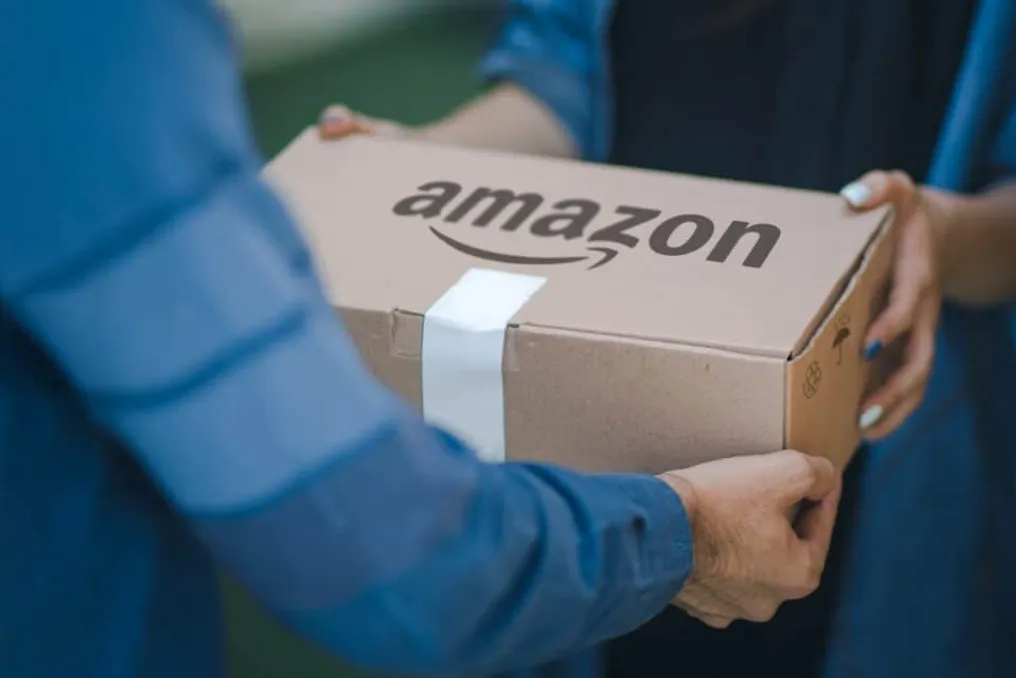
The proposal, which is currently under review by the City Council and has over 30 supporters, focuses mainly on the operational model adopted by giants like Amazon and FedEx. This model involves outsourcing package delivery to companies that manage and hire the drivers and couriers.
The debate polarizes unions and proponents of the law, who criticize outsourcing for creating precarious working conditions and hindering union organization. Conversely, Amazon and its partners warn of potential cost increases, slower deliveries, and the risk of operations leaving the city.
Mamdani's statement, made on Monday (10th), marks one of the first challenges to his stance in confronting corporate interests in favor of low-wage workers. He took office with the backing of the Democratic Socialists of America and has already participated in events for unionized workers and strikes.
Councilwoman Tiffany Cabán introduced the bill, and it received endorsement from Public Defender Jumaane Williams during a hearing of the Consumer and Worker Protection Committee in April. Proponents argue that the change will prevent large corporations from evading labor responsibilities through subcontractors.
This issue is relevant in a metropolis where delivery services move nearly one billion packages annually. Supporters of the legislation claim that using third parties allows large distributors to cut personnel costs and evade minimum wage and benefit rules applicable to direct employees.
However, Amazon has mounted a strong corporate front to block the measure. The company mobilized entities such as chambers of commerce and the Real Estate Board of New York, while unions estimate that the company invested over US$ 5 million in a campaign against the bill, including television advertising.
A study commissioned by an Amazon-funded organization calculated that the new legislation could raise the cost of each package by up to US$ 5.20. The same survey predicted an annual impact of up to US$ 664 per household and classified the proposal as a threat to the city's logistics structure.
The company also alleged that the change would jeopardize more than 5,000 jobs linked to delivery companies. In a statement cited by the New York Times, spokesperson Kelly A. Nantel declared that the company considers the law incompatible with its commitments to workers and small local partners, and that Amazon might consider transferring its operations outside of New York.
Proponents of the proposal refute this threat. Thomas Gesualdi, president of Teamsters Joint Council 16, believes this moment signals a transformation in the dynamic between municipal government, workers, and companies. The union plans to extend the campaign to other cities if New York passes the legislation, given that a similar proposal has already been presented in Chicago.
Driver compensation is also a point of discussion. Data presented indicates that these workers start earning around US$ 20 per hour in New York, with an average close to US$ 24. An agreement reached by the Teamsters with an Amazon contractor in California established approximately US$ 30 per hour.
Worker accounts illustrate the union's concern. Luc Rene, an Amazon van driver for almost four years, reported transporting up to 400 packages in a day and receiving refusals when requesting smaller loads during periods of extreme heat or after blizzards. The company did not specifically comment on these allegations but stated that it adjusts routes according to weather conditions.
In contrast, business owners who work as Amazon contractors present another viewpoint. Rudy Cazares, owner of companies that deliver for Amazon and FedEx, argues that these partners remain responsible for decisions such as hiring, firing, and promoting employees. He believes the debate should not be limited to a dispute between workers and a large corporation, as small businesses also depend on the current distribution system.
A study by the consultancy AKRF, funded by an entity linked to Amazon, reinforces that the proposal could destabilize the urban distribution network. The survey also observed that 83% of last-mile facility workers reside outside Manhattan and about 80% are minorities, a data point used by opponents to question impacts on lower-income communities.
If the City Council approves the measure and Mamdani signs it, New York could become the first American city to establish specific standards for these last-mile operations, according to the Teamsters. Thus, the decision transcends the conflict between the mayor's office and Amazon, potentially serving as a model for other municipalities and states interested in limiting the use of outsourced labor in the delivery sector.