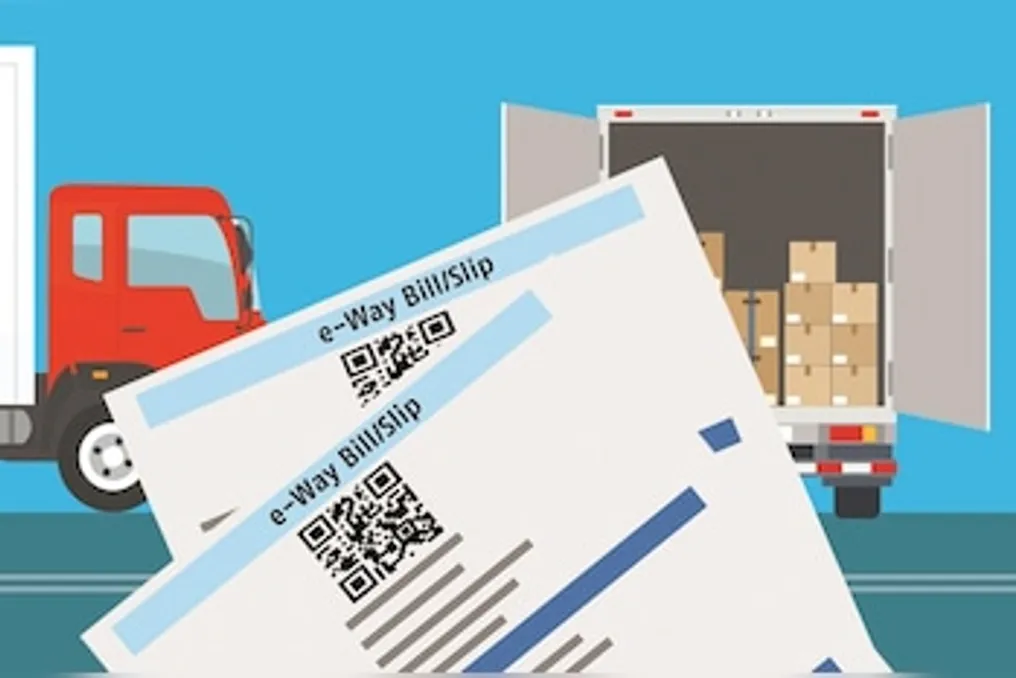
According to data from the Goods and Services Tax Network (GSTN), the generation of electronic waybills (e-way bill) in July 2026 increased by 5.98% compared to the same period last year, reaching a volume of 139.79 million. This figure is higher than the 131.91 million recorded in July of the previous year, indicating steady movement of goods and the viability of domestic trade.
The July volume became the second-largest monthly figure for e-way bill generation so far, trailing only the value of 140.60 million registered in March 2026. An electronic waybill is a document required for transporting goods under the GST regime and is mandatory for inter-state transport if the cargo value exceeds 50,000 rupees. The threshold for intra-state transport varies depending on the state.
Compared to the previous month, e-way bill generation sequentially rose by 2.21% in July compared to 136.77 million in June.
Market Forecasts and Analysis
Pratik Jain, Partner at PwC India, noted that the 5.98% year-on-year growth in e-way bill generation, combined with the sequential increase from June, indicates the sustained resilience of domestic trade and supply chains. He added that this could signal strong GST collections in August, although final revenues will depend on the value and structure of transactions.
Saurabh Agarwal, Tax Partner at EY India, stated that the continuous growth in e-way bill generation serves as a reliable indicator of economic momentum, reflecting active movement of goods across the entire supply chain. According to him, an equally significant signal for tax administration is that the combination of rate rationalization and enhanced compliance monitoring appears to be leading to a tangible expansion of the tax base, which should be closely monitored as GST collection develops throughout the year.
The Ministry of Finance reported in its latest Monthly Economic Survey that despite the uncertain global environment, the Indian economy maintained growth momentum in the first quarter of FY27, supported by robust domestic demand. However, the ministry noted that some high-frequency indicators, such as e-way bills and manufacturing PMI, showed some slowdown. Meanwhile, the services sector strengthened in Q1 FY27 due to favorable domestic and external demand conditions.
The growth rate of e-way bill generation in Q1 FY27 slowed to 12.4% compared to 15.7% in Q4 FY26.