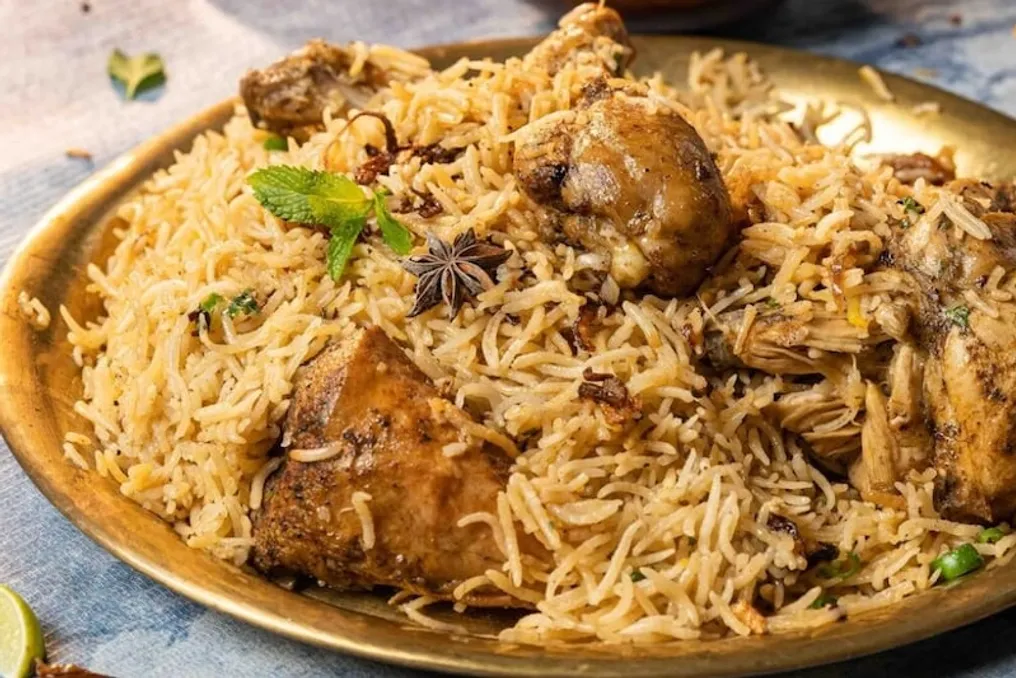
There are long historical ties between India and Iran, and today biryani is prepared in Iran using Indian rice. Iran is the largest importer of rice from India, purchasing an average of 800 thousand to 1 million metric tons of Basmati rice annually. The volume of this trade is estimated at approximately 90 billion rupees.
Despite tensions in the Middle East and supply disruptions, India remains the main source of rice supplies for Iran. A significant part of Iran's total rice consumption depends on imports, with Indian Basmati rice playing a key role in this. However, recently, trade activity between the two countries has been subject to fluctuations due to maritime security issues, rising freight rates, and payment concerns.
According to approximate data from recent years, the supply volumes were as follows: about 9.9 lakh metric tons in 2021–22; about 8.6 lakh metric tons in 2022–23; about 7.5 lakh metric tons in 2023–24; and about 8.0 lakh metric tons in 2024–25.
Although Iran produces its own rice, local production is relatively small and expensive. Therefore, Indian Basmati rice variety 1121 is widely used for large gatherings, restaurants, and in Iranian cuisine. This rice is considered ideal for Iranian cuisine due to its long grains, aroma, and non-clumping property after cooking.
In terms of trade figures, Iran imports millions of tons of rice annually, with products from India accounting for the largest share. Besides India, Pakistan, Thailand, and Vietnam export rice to Iran. Nevertheless, in terms of quality and preference, Indian rice leads. Recent military tensions in West Asia and their impact on shipping in the Red Sea and the Strait of Hormuz have affected this trade.
Increased risks on trade routes have led to higher insurance premiums and surcharges from shipping companies, making rice exports more expensive. Furthermore, due to international sanctions against Iran and fluctuations in its national currency, the rial, Indian exporters face difficulties in receiving payments. Delays and stoppages of cargo in ports have put slight pressure on the overall volume of rice exports from India.
Due to the slowdown in imports into Iran and domestic economic problems in the country, Indian exporters are beginning to look at markets in other countries. According to the latest data, Gulf countries such as Saudi Arabia and Iraq have become major buyers of Indian Basmati. At the same time, Indian exporters are exploring new opportunities for non-Basmati and other rice varieties in Africa and European countries.
Commodity experts believe that India's position in the Iranian rice market will remain strong in the foreseeable future. There is a need to further increase transparency and simplify settlement mechanisms between the two countries, for example, through the exchange of rupees and rials.