As a child, observing the work of farmers in Bihar, Kishor Kumar Jha saw how they earned low profits due to a lack of storage and negotiation opportunities. After harvesting, many farmers were forced to sell their produce immediately because they had neither storage space nor access to credit, making it impossible to wait for better prices.
This problem remained with him for a long time. Jha began to wonder: what if farmers could view grain as an asset rather than a harvest that needed to be sold quickly?
In 2012, he co-founded Ergos with Praveen Kumar. The company's goal was to provide farmers with safe grain storage, access to credit, and the ability to sell at favorable prices. Their solution was to create a village-level grain bank—a network of warehouses designed to bring storage closer to the fields and the farmers themselves.
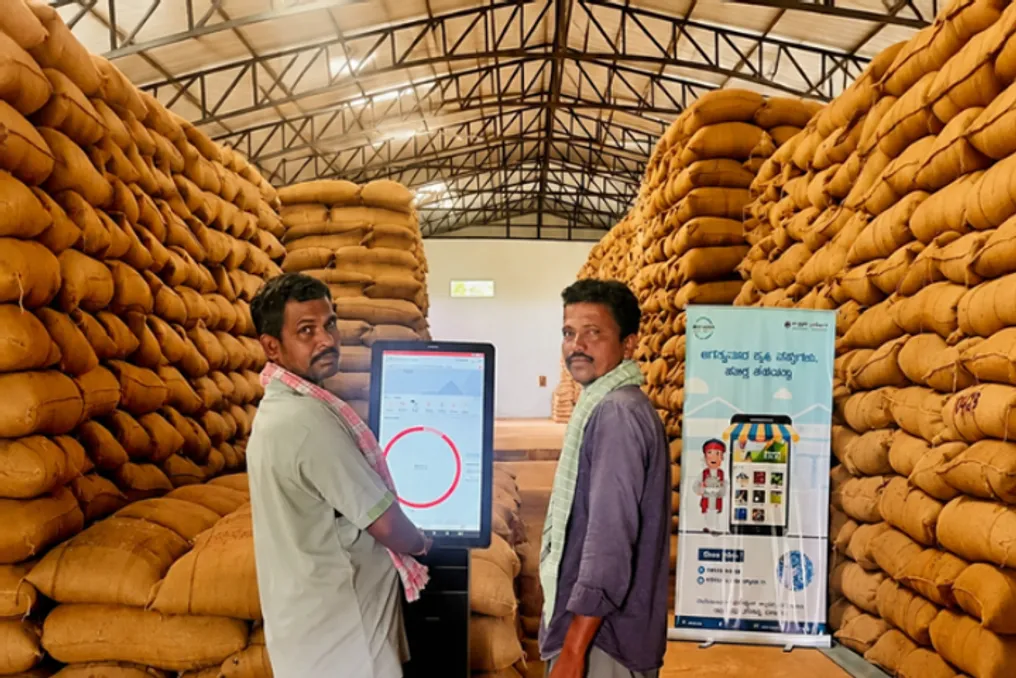
Instead of immediate post-harvest sales, farmers can deposit grain in the nearest grain bank, where it is weighed, inspected, and digitally recorded. The stored grain becomes a digital asset, allowing farmers to track inventory, monitor market prices, and determine the optimal time to sell.
The model radically changes the situation because farmers can take loans against their stored grain without selling it beforehand. These loans can cover up to 70% of the grain's value, helping families meet urgent expenses while waiting for better market conditions.
Previously, Bihar farmers sold corn to local traders, often accepting any price offered after the harvest. Today, using Ergos, he stores grain and keeps inventory records digitally, no longer feeling the pressure to sell his harvest immediately. If he needs urgent funds, he can also take a loan against his grain and repay it after selling the produce.
Currently, Ergos serves over 160,000 farmers through more than 200 on-farm warehouse facilities, striving for a future where every village has its own grain bank.